
A coarse durum wheat meal gives pasta a pleasantly substantial bite, while a finer grind can make a smoother dough. Both may be sold under related names, so the useful first step is to match the package to the texture your recipe expects.
Finding semolina at a grocery store is easier when you know whether you need a coarse or fine product. Check the baking aisle and specialty sections, then read the grain and grind on the package before taking it to the register.
What Semolina Is Made From
Semolina is milled from durum wheat, a hard variety of wheat. In the United States, the standard for semolina describes a product made by grinding and sifting cleaned durum wheat to a specified particle size. It is not simply a general term for any yellow flour.
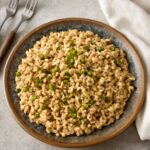
A bag of this golden wheat meal often feels granular between the fingers. Its color and texture can add character to pasta, breads, pizza crusts, and cooked dishes. The exact result depends on the mill and on the rest of the recipe, so the name on the front of a bag is a starting point rather than a complete set of instructions.
Because it comes from wheat, it contains gluten. It is not an appropriate substitute for wheat-free or gluten-free flour when avoiding wheat or gluten. Check labels for the actual grain even when a recipe or a market uses a familiar name loosely.
Coarse Semolina and Finer Durum Flour
The texture of a durum grind matters in the bowl. Coarser particles can give dough a more pronounced grain and a hearty bite; a fine, remilled product feels closer to flour and may incorporate differently. A pasta recipe written for one may need a different amount of liquid or a different rest with the other. Rather than assuming equal cups will behave alike, look for a recipe developed for the product you have.
You may see the Italian words semola di grano duro on a package. A label saying rimacinata indicates a remilled, finer product. Other bags may describe a coarse or fine grind in English. Read the ingredient and the miller’s description together: naming conventions vary, and a word printed in large letters doesn’t tell you every detail of particle size.
Durum flour and coarser semolina both come from durum wheat, but they are not automatically identical in texture. The U.S. rules have separate standards for durum flour and semolina. A recipe writer may use the word flour broadly, so look for a photo, weight, brand note, or description of the intended texture when the instruction is unclear.
Where to Buy Semolina Flour and What to Check
Knowing where to buy semolina flour starts with the kind of dish you want to make. Larger grocery stores may stock a small bag near all-purpose flour, specialty baking ingredients, or imported pasta supplies. Selection varies by store, so check the store’s listing or call before making a special trip.
Where can I buy semolina flour? Try an Italian specialty market, a well-stocked baking shop, or a seller that lists the grain and grind online. Some South Asian markets also carry products labeled sooji or rava; the grain and coarseness can vary, so read the specific label rather than assuming every bag is equivalent.
When choosing semolina flour, where to buy it depends partly on the information you need. A specialty shop may let you ask about the grind, while an online listing may show a clear ingredient panel or the miller’s description. If the listing gives only a picture of the front of the bag, look for the full label or ask the seller for details.
To find a durum semolina product nearby, search the store’s site using both “durum” and the grind named in your recipe. Compare package sizes as well as prices: a small bag can be practical for an occasional batch, while a larger one makes sense if pasta is a regular project. Check availability with the seller rather than assuming a product shown in a search is on the shelf today.
If you are shopping for semolina made from wheat in a market with many grains, check the ingredient line and the section’s signs. Cornmeal, rice products, and other coarsely milled grains can look similar from a distance but will behave differently in dough. A quick label check saves a surprisingly philosophical conversation with a stubborn pasta machine later.
Using It for Pasta
A recipe for pasta may use durum wheat on its own or combine it with a finer wheat flour. The grainy particles contribute texture, and the dough usually needs enough mixing and resting for the flour to take up liquid. King Arthur Baking’s guide to pasta flours describes semolina as a coarse durum grind that produces a hearty, chewy noodle.
Measure by weight when the recipe gives one. If you measure by volume, use the method specified by the recipe, because a packed cup and a lightly filled cup can contain different amounts. Add liquid as directed, then give the dough its prescribed rest before deciding it needs more. A dough that looks rough at first can become easier to handle after the grains have hydrated.
Use the recipe’s cues as well as its timing. A dough that crumbles and refuses to hold together needs attention; one that sticks heavily to everything may need more kneading or a short rest. Adjust in small increments if the recipe allows, and record what you changed. Different mills and grinds can make a difference even when both bags say durum.
For shaped pasta, choose a formula written for the shaping method too. Hand-formed pieces, rolled sheets, and extruded shapes place different demands on a dough. A coarse ingredient that works beautifully in one recipe may give a different texture in another; neither result is a judgment on the grain itself.
Bread, Pizza, and Other Uses
In bread, a portion of durum meal can bring a golden tint and a distinctive flavor. A recipe designed around it will balance that ingredient with the other flours and the liquid. Follow the specified proportion first, then consider small experiments on a later bake if you want a different crumb.
For pizza, a little of the granular product can also be used as a dusting where a recipe calls for it. Brush or shake off excess before baking, since loose particles left on a very hot surface can scorch. The dough itself is a separate question: a flour used to keep a peel from sticking is not automatically the flour intended for the dough.
Coarse wheat preparations also appear in porridges and sweets. Products sold as sooji or rava can be made and graded in different ways, so follow a recipe written for the particular package rather than importing pasta ratios into a dessert. The same grain can take on very different jobs depending on how it is milled and cooked.
Can You Substitute Another Flour?
Sometimes, but the answer belongs to the individual recipe. All-purpose flour, bread flour, fine durum flour, and coarse meal differ in particle size and behavior. Swapping one for another can change the liquid needed, the way dough rolls, and the finished bite. A tested alternative in the recipe is more useful than a universal one-for-one rule.
If you cannot find the specified product, look for a recipe developed around what you can buy. For example, an all-purpose-flour pasta recipe gives you its own measurements and handling cues. That is especially helpful when making the dish for the first time: you learn what the dough should feel like before introducing a new variable.
Store the flour in a tightly closed container in a cool, dry place and follow the package’s storage directions. Label the container with the product name and date so that the coarse and fine bags don’t become identical mysteries at the back of the pantry.
A Quick Package Check
Before you buy, match the bag to the recipe: confirm that the ingredient is durum wheat, look for a coarse or fine grind, and check whether the recipe specifies that texture. Compare package size and the seller’s product details, then follow the recipe’s measurements and resting cues. The right bag is the one that makes the next step in your kitchen clearer.









Comments are closed, but trackbacks and pingbacks are open.