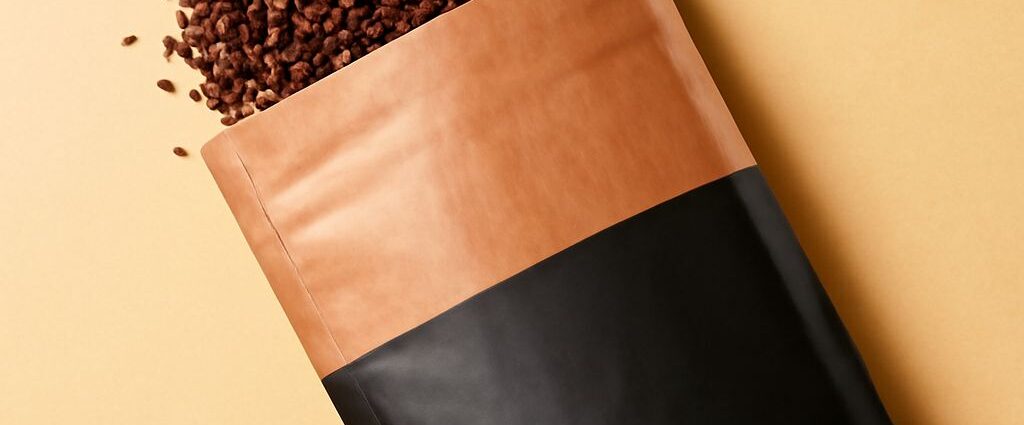
A spoonful of cacao nibs can give a bowl of oatmeal a deep chocolate flavor and a crisp, nutlike bite. If you have wondered what cacao nibs actually are, think of them as small pieces of cacao bean, ready to bring crunch to foods both sweet and savory.
Packages of cacao nibs labeled raw sit beside roasted versions, and neither tastes quite like a chocolate chip. Knowing how the pieces are made and how they behave in a recipe makes that first handful much easier to use.
From cacao bean to crunchy pieces
Cacao grows in pods containing seeds, often called beans, surrounded by pulp. After harvest, the beans are typically fermented, dried, and then processed. Fermentation helps develop the precursors of the flavors associated with chocolate; drying prepares the beans for storage and further handling.
To make nibs, the beans are broken and their thin shells are separated from the edible centers. Cacao nibs are those irregular fragments, containing both cocoa solids and naturally occurring cocoa butter. Some producers roast the beans before breaking them; processing practices vary by maker. Further grinding turns nibs into a paste called chocolate liquor, which contains no alcohol despite its name.
So what are cacao nibs in the kitchen? They are an ingredient for adding concentrated cacao flavor and texture in distinct little bites. A package may simply say “cocoa nibs”; cacao and cocoa are both names used for products from the same bean.
Flavor, texture, and a sensible first taste
Plain cacao nibs are pieces of cacao bean: crunchy and somewhat firm, with a flavor reminiscent of unsweetened dark chocolate. Depending on the bean and processing, you may notice roasted, fruity, earthy, or nutty notes along with bitterness and a little tang. Their small size can be deceptive: they have plenty to say for themselves.
Taste a few pieces on their own, then try a pinch with a slice of banana. The fruit softens the bitter edge while leaving the crunch clear. If the nibs seem intense, use less rather than adding a large amount of sweetener immediately. A teaspoon scattered over a serving is enough to get acquainted.
What makes these cacao bean pieces different from chocolate is the lack of the sugar and other ingredients commonly added during chocolate making. Read the ingredient list, though: some products are sweetened or coated, and those will taste and behave differently from plain nibs.
Raw cacao nibs and the meaning of the label
The word “raw” on a bag can describe a producer’s processing choices, but it does not establish one identical method across brands. Beans have usually been fermented and dried before they reach the nib stage, and fermentation itself generates heat. A maker may give more detail about temperatures or whether the beans were roasted; look for that information if a particular process matters to you.
Roasted nibs often have a rounder, toastier flavor. Raw cacao nibs may taste brighter or more tangy, although the bean and the producer’s handling also shape the result. Cacao nibs marketed as raw can vary between batches and makers. Choose a small package and taste it rather than expecting the label alone to predict a particular flavor.
For cacao nibs sold as raw, check the ingredients too. Plain nibs are often a single-ingredient food, while sweetened versions can include sugar or other coatings. If you avoid an ingredient or have an allergy, consult the package for its ingredient and allergen information before using it.
Nibs, cocoa powder, and chocolate chips
Cocoa powder starts with ground cacao from which much of the cocoa butter has been pressed. It disperses into batter and can be whisked into a drink, giving an even chocolate flavor. Cacao nibs, by contrast, are small pieces that retain their fat. Stirring them into warm milk will not make a smooth cup of cocoa, however enthusiastic the stirring.
Chocolate chips usually contain sugar and cocoa ingredients, and some contain milk or other additions. They soften in baking and contribute sweetness; nibs stay distinct and crunchy. For a vegan recipe, check the chip package for milk ingredients, because the word “dark” alone is not an ingredient list.
To try a substitution in cookies, replace a small portion of the chips with an equal volume of nibs. Keep the remaining chips for sweetness and familiar chocolate pockets. Replacing every chip will produce a less sweet cookie with a firmer bite, so judge the baked batch before making further changes.
Reading the nutrition panel
Are cacao nibs healthy? They can fit into a varied eating pattern, and the practical answer depends on the product, portion, and the rest of the meal. Plain nibs offer fiber and fat, but they are also concentrated in calories; a sprinkle and a full serving contribute different amounts.
For a concrete example of cacao nibs nutrition facts, the FoodData Central-based record for Theo Cocoa Nibs lists a serving of 1/4 cup (28 grams) as 150 calories, 15 grams of total fat, 9 grams of saturated fat, 8 grams of carbohydrate, 4 grams of fiber, and 3 grams of protein. It lists 0 grams of total sugars. The submitted ingredient is cocoa beans. This is one branded record, not a promise about every bag on the shelf.
When considering whether cacao nibs are a healthy choice for your own meals, compare the amount you actually use with the serving on the label. One tablespoon is one-quarter of the volume in this example’s serving, though weights can vary with the size of the pieces. A kitchen scale gives a closer comparison. If you are comparing brands, use the same weight and check both the ingredient list and the nutrition panel: sweetened nibs can have a different sugar content.
The nutrition facts for cacao nibs describe what is in a stated portion; they cannot tell you what a whole eating pattern looks like. Pairing a modest sprinkle with fruit, oats, or unsweetened plant yogurt is one way to enjoy the flavor alongside other foods. If you are asking how healthy cacao nibs are, consider how much you enjoy and use them as well as the numbers.
Easy ways to use them
Breakfast bowls. Add 1 teaspoon to warm oatmeal after cooking, along with sliced pear or banana. Adding the pieces at the end keeps their texture noticeable. A spoonful of peanut butter or tahini rounds out the bitter notes; use a seed butter if nuts are off the menu.
Plant yogurt and fruit. Scatter a little over plain coconut or soy yogurt with berries. Taste before adding maple syrup: ripe fruit may provide the sweetness you want. For a softer contrast, let the assembled bowl stand a few minutes; the nibs will still be more substantial than cocoa powder.
Granola and trail mix. Toss nibs with rolled oats, seeds, and a little oil and maple syrup for granola, or mix them into cooled granola after baking for a pronounced crunch. In trail mix, combine them with dried cherries and pumpkin seeds. Their bitterness balances sweet dried fruit without making every bite taste like candy.
Baking. Fold a tablespoon or two into muffin or brownie batter, or press a few pieces onto the top before baking. They add crisp spots rather than melting into a chocolate layer. Chop them more finely if you prefer smaller bits, and use a sturdy knife on a stable cutting board.
Savory dishes. Start with a small pinch in a pot of black beans or a tomato-and-chile sauce. Let the sauce simmer, then taste: the cacao adds a subtle bitter depth. You can also sprinkle a few pieces over roasted squash with salt and a little lime. Use restraint until you know how much contrast you like.
Buying and storing a bag
Look for a plain ingredient list if you want the clearest cacao flavor, and choose sweetened pieces if you would rather have a gentler, candy-like snack. A resealable bag is convenient when a little goes a long way. If you are deciding whether cacao nibs are good for a healthy diet, the serving size and any added ingredients are more informative than a large claim on the front.
Keep the bag tightly closed in a cool, dry, dark place, away from strong odors and heat. Follow the maker’s storage directions and best-by date. If the pieces develop an unpleasant stale smell or flavor, replace them; the natural fat can lose its fresh taste over time. Use a dry spoon so moisture does not enter the package.
To decide what kind to buy, start with the flavor you want: roasted for a toastier note or cacao nibs labeled as raw to explore their particular taste. Read the ingredients and any processing details, then sprinkle a teaspoon over a bowl of fruit and plant yogurt. You can always add another pinch.






Comments are closed, but trackbacks and pingbacks are open.