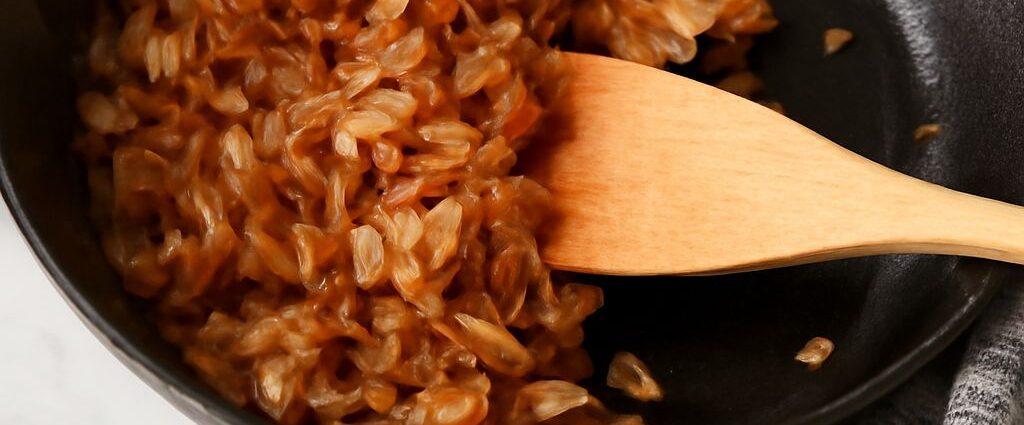
Caramelized onions are a culinary staple that bring a sweet, savory depth to a variety of dishes. Whether you’re topping a burger, enhancing a salad, or creating a rich sauce, knowing how to make caramelized onions is an essential skill. This step-by-step guide will walk you through the process, helping you achieve the perfect balance of sweet and golden.
Why Caramelized Onions Are a Must-Have
Caramelized onions transform simple meals into gourmet experiences. Their rich, sweet flavor comes from the slow cooking process that breaks down the natural sugars found in onions. This makes them a versatile ingredient that’s perfect for enhancing everything from sandwiches to steaks. They add complexity and a touch of elegance, making them a must-have in any kitchen.
Ingredients Needed for Caramelized Onions
To make the perfect caramelized onions, you’ll need the following ingredients:
- Onions: About 2 pounds of yellow onions are ideal, but red or white onions can also be used.
- Butter and/or oil: 2 tablespoons of unsalted butter and 1 tablespoon of olive oil for a rich flavor.
- Salt: A pinch to enhance sweetness and draw out moisture.
- Optional: A teaspoon of sugar to speed up the caramelization process, if desired.
Step-by-Step Process to Caramelize Onions
- Prepare the onions: Peel the onions and slice them thinly, ensuring even thickness for uniform cooking.
- Heat the pan: Place a large, heavy-bottomed skillet over medium heat. Add the butter and olive oil, allowing them to melt and combine.
- Cook the onions: Add the sliced onions to the pan, spreading them out evenly. Season with a pinch of salt. Stir the onions to coat them in the butter and oil mixture.
- Start caramelizing: Reduce the heat to medium-low. Stir the onions every 5-10 minutes to prevent them from sticking or burning. Be patient; the process can take 45 minutes to an hour.
- Monitor the color: As the onions cook, they’ll begin to soften and turn golden brown. This is the caramelization process, where the sugars break down and develop flavor.
- Adjust if necessary: If the onions start to dry out or stick, add a splash of water or broth to deglaze the pan. This will help lift the fond, or flavorful bits, from the bottom of the pan.
- Finish cooking: Once the onions are a rich, deep brown, remove them from the heat. Taste and adjust seasoning if needed.
Tips for Perfect Caramelization
- Choose the right onions: Yellow onions have a balanced sweetness and acidity, making them ideal for caramelizing. Red onions bring a slightly different, more robust flavor.
- Maintain low heat: Cooking on low heat over a longer period allows the sugars to caramelize without burning.
- Don’t rush: Although tempting, increasing the heat to speed up the process can lead to uneven cooking and a bitter taste.
- Deglaze wisely: Using broth or wine to deglaze adds additional layers of flavor to the onions.
- Storage: Store caramelized onions in an airtight container in the refrigerator for up to a week, or freeze them for longer storage.
Best Uses for Caramelized Onions
Once you’ve mastered the caramelized onions recipe, you’ll find countless ways to incorporate them into your meals. Here are some ideas:
- Burgers and sandwiches: Add them to burgers, grilled cheese, or deli sandwiches for a burst of flavor.
- Pasta and risotto: Stir into pasta dishes or risotto for added depth.
- Pizza topping: Use as a topping alongside cheese and meats.
- Soups and stews: Enhance the flavor of soups or stews by adding caramelized onions.
- Dips and spreads: Mix into sour cream or yogurt for a flavorful dip, or blend into hummus or bean spreads.
With this guide, you now have the best way to caramelize onions, offering endless possibilities to elevate your culinary creations. Whether you’re a seasoned cook or just starting out, mastering the art of caramelized onions is sure to impress.








Comments are closed, but trackbacks and pingbacks are open.