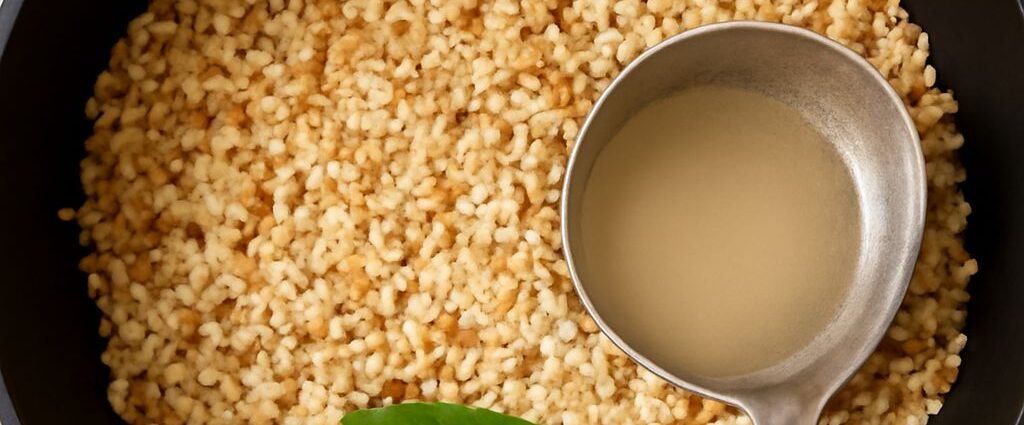
Risotto is a classic Italian dish known for its creamy texture and versatility. While it might seem daunting to make at home, mastering the art of risotto is easier than you might think. This guide will walk you through the essential steps of creating a perfect risotto, from selecting the right rice to serving it with flair. Whether you’re a seasoned cook or a kitchen novice, this comprehensive risotto recipe will help you achieve restaurant-quality results.
Choosing the Right Risotto Rice
The key to a successful risotto lies in the rice. The best risotto rice is one that can absorb liquid while releasing starch, resulting in a creamy consistency. The most popular types of risotto rice are Arborio, Carnaroli, and Vialone Nano.
- Arborio: Easily found in most grocery stores, Arborio is the most commonly used risotto rice. Its high starch content yields a creamy texture, though it may not absorb flavors as well as other varieties.
- Carnaroli: Often referred to as the “king of risotto rice,” Carnaroli has a higher starch content and firmer texture, making it ideal for achieving the perfect creamy consistency.
- Vialone Nano: This rice variety is favored in certain regions of Italy for its ability to absorb flavors while maintaining a slightly firmer texture.
Essential Ingredients for Risotto
To make a basic risotto, you’ll need the following ingredients:
- 1 1/2 cups risotto rice (Arborio, Carnaroli, or Vialone Nano)
- 4 cups chicken or vegetable broth, kept warm
- 1/2 cup dry white wine
- 2 tablespoons olive oil
- 1 small onion, finely chopped
- 2 cloves garlic, minced
- 1/2 cup grated Parmesan cheese
- 2 tablespoons butter
- Salt and pepper to taste
- Fresh herbs (such as parsley or thyme) for garnish
Step-by-Step Risotto Cooking Instructions
- Prepare the Broth: Keep your chosen broth warm in a saucepan on low heat. This will help the risotto cook evenly.
- Sauté the Aromatics: In a large skillet or saucepan, heat the olive oil over medium heat. Add the chopped onion and garlic, cooking until the onion becomes translucent.
- Toast the Rice: Add the risotto rice to the pan, stirring to coat the grains with oil. Toast the rice for about two minutes, until the edges become translucent.
- Deglaze with Wine: Pour in the white wine, stirring constantly. Allow the wine to reduce until it’s mostly evaporated.
- Add Broth Gradually: Begin adding the warm broth, one ladleful at a time. Stir frequently, allowing each addition of liquid to absorb before adding more. This process should take about 18-20 minutes.
- Check for Doneness: The risotto is done when the rice is al dente and the mixture is creamy. You may not need all the broth.
- Finish with Cheese and Butter: Remove the risotto from heat and stir in the Parmesan cheese and butter. Season with salt and pepper to taste.
Tips for Perfect Risotto Texture
Achieving the perfect risotto texture requires attention to detail:
- Stir Consistently: Frequent stirring helps release the rice’s starches, creating a creamy texture.
- Use Warm Broth: Cold broth will lower the cooking temperature, affecting the texture.
- Control the Heat: Maintain a consistent simmer to prevent the rice from cooking too quickly or slowly.
Common Risotto Mistakes to Avoid
Avoid these common pitfalls to ensure your risotto turns out perfectly:
- Adding Broth Too Quickly: Rushing results in uneven cooking.
- Overcooking the Rice: Risotto should have a slight bite to it, not mushy.
- Neglecting to Taste: Regularly taste and adjust seasoning as needed.
Serving and Enjoying Your Risotto
Once your risotto is cooked to perfection, it’s time to serve and enjoy. Here are some suggestions for serving:
- Garnish Creatively: Top with fresh herbs, a drizzle of olive oil, or shaved Parmesan for added flavor and presentation.
- Pair with Proteins: Risotto pairs beautifully with grilled chicken, shrimp, or scallops.
- Wine Pairing: A crisp white wine or light red complements the dish.
With this guide, you’ve learned how to make risotto that is both creamy and delicious. Experiment with different ingredients and enjoy the process of perfecting your risotto recipe over time. Bon appétit!










Comments are closed, but trackbacks and pingbacks are open.