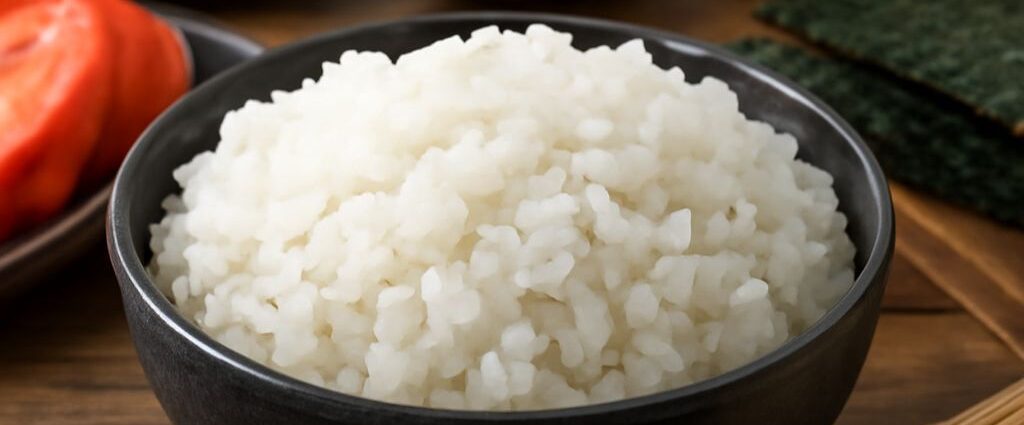
The best rice for sushi is Japanese short-grain rice. It cooks into tender, cohesive grains that hold together for rolls, nigiri, and hand rolls without becoming paste. If you are deciding what rice to use for sushi at home, look for Japanese short grain first, then a suitable medium-grain alternative.
Common varieties include Koshihikari, known for its delicate aroma and soft texture, and Sasanishiki, which stays slightly lighter and more distinct. The package may also simply say “sushi rice,” but checking the grain type helps you choose more reliably.
The Best Rice for Sushi: Japanese Short-Grain
Japanese short-grain rice is the standard because its starch creates the right balance of adhesion and tenderness. After cooking, the grains cling to one another while remaining recognizable. That structure lets you shape rice around fillings without squeezing it into a dense lump.
Look for rice grown in Japan or Japanese-style japonica rice from another region. White rice is the usual choice because it cooks more softly and evenly than brown rice. Japanese brown rice can work for a deliberate whole-grain variation, but it remains chewier and is less cohesive.
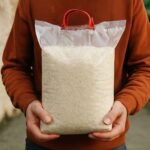
For the most traditional result, choose a package labeled Japanese short grain, japonica, or a named Japanese variety such as Koshihikari. These labels are more useful than the word “sticky” alone.
What Kind of Rice Is Used for Sushi?
If you are asking what kind of rice is used for sushi, the direct answer is short-grain japonica rice, seasoned after cooking with rice vinegar, sugar, and salt. “Sushi rice” can describe either the uncooked rice variety or the finished seasoned rice, so read the package carefully.
Sushi rice is not glutinous rice, also called sweet rice or mochigome. Despite its name, glutinous rice contains no gluten. It becomes exceptionally chewy and sticky, making it useful for mochi and some desserts, but too dense for standard sushi rolls. Sushi rice should cling; it should not turn elastic or gummy.
Short-Grain vs. Medium-Grain Rice
Short-grain rice is the best baseline, but medium-grain rice is a practical substitute when Japanese varieties are unavailable. Both can produce cohesive cooked rice, although medium grain usually gives a slightly firmer, less adhesive result.
- Japanese short grain: The most reliable choice for traditional texture, shaping, and seasoning.
- Medium-grain japonica: A good alternative for homemade rolls and bowls. Calrose, commonly grown in California, is widely available and usually performs well.
- Korean short-grain rice: Often suitable because it has a similar rounded grain and cohesive texture, though its flavor and firmness may differ by variety.
When substituting medium grain, avoid adding extra water automatically. Follow the package instructions, then adjust only if the cooked rice is consistently hard or loose. Medium-grain rice can become soft quickly when overcooked.
Glutinous and Long-Grain Rice
Glutinous sweet rice does not work the same way as sushi rice. Its extreme chewiness can overpower delicate fillings and make the rice difficult to spread. Use it for mochi, rice cakes, or other recipes that specifically require its elastic texture—not as the standard rice for sushi.
Ordinary long-grain rice, including basmati and jasmine, is also a poor match. Its grains stay separate and tend to cook fluffy rather than cohesive. That makes it difficult to form compact rolls, and loose grains can fall from nigiri. Long-grain rice may work in an improvised bowl, but it will not reproduce the texture of sushi rice.
Arborio and other risotto rices are not ideal substitutes either. They release abundant starch, but their creamy, swollen texture differs from the clean, gently clinging texture sushi requires.
Shopping Labels and Preparation
At the store, prioritize these descriptions:
- Japanese short grain or short-grain japonica for the closest traditional result.
- Sushi rice when the package also identifies a short- or medium-grain variety.
- Calrose or another clearly labeled medium-grain rice for a dependable substitute.
Do not select a bag solely because it says “sticky rice.” Confirm that it is not glutinous or sweet rice. Also avoid packages labeled only long grain, jasmine, or basmati.
For better texture, rinse the rice gently several times until the water is less cloudy, then soak it for about 20 to 30 minutes before cooking. Use the package’s water instructions, since grain age and variety affect absorption. Let the cooked rice rest, covered, for 10 minutes before seasoning it while warm.
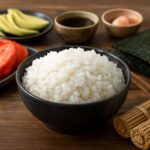
Fold in the vinegar mixture rather than stirring aggressively. Properly prepared sushi rice should look glossy, feel tender, and hold together when pressed lightly. Mushy rice usually indicates too much water or overmixing; dry, scattered grains point to an unsuitable long-grain variety or insufficient cooking moisture.







Comments are closed, but trackbacks and pingbacks are open.