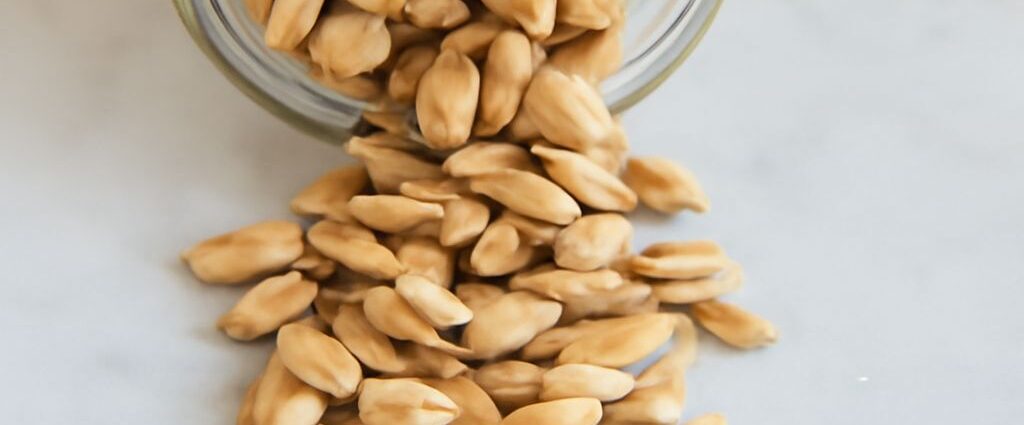
Roasted butternut squash seeds are ready in about 20 minutes, including cleaning and drying. Rinse 1 cup of separated seeds, dry them thoroughly, then toss with 1 tablespoon oil and 1 teaspoon seasoning. Roast at 425°F for 8 to 12 minutes, stirring once. The seeds should look lightly browned and feel dry; they become even crisper as they cool. This method makes about ¾ cup.
Butternut squash seeds are smaller and thinner than pumpkin seeds, so they need careful watching. Thorough drying prevents steaming, while a short, hot roast gives them a crisp texture without overbrowning.
Roasted Butternut Squash Seeds: Separate and Clean
Start with the seeds scraped from a halved butternut squash. The quantity varies by squash, so collect enough for 1 cup after cleaning. If you have less, reduce the oil and seasoning proportionally.
- Separate the seeds. Use a spoon to scrape the seeds and stringy pulp from the squash cavity into a bowl. Pull away the largest strands with your fingers.
- Loosen the pulp in water. Cover the seeds with cool water and rub them between your fingers. The slippery strands should separate from the seeds.
- Rinse well. Pour the mixture into a fine-mesh strainer. Pick out any remaining pieces of squash, then rinse until the seeds feel clean rather than slimy.
- Drain thoroughly. Shake the strainer over the sink to remove as much water as possible before drying.
Small scraps of squash pulp can scorch during roasting. They also hold moisture, which keeps the seeds soft. Do not worry if a few thin strands remain, but remove any thick, wet clumps.
How to Roast Butternut Squash Seeds: Dry and Season
Thorough drying is the most important step for crisp seeds. Spread the rinsed seeds on a clean kitchen towel or several layers of paper towel. Pat them dry, gently rub off surface moisture, and leave them uncovered for 20 to 30 minutes.
For the best texture, the seeds should feel dry to the touch before you add oil. If they still look wet or cling together, pat them again. Damp seeds can require longer roasting and may turn chewy instead of crisp.
Heat the oven to 425°F. Line a rimmed baking sheet with parchment if desired. Once the seeds are dry, add them to a bowl with:
- 1 cup cleaned butternut squash seeds
- 1 tablespoon neutral oil or olive oil
- 1 teaspoon seasoning, such as fine salt, garlic powder, smoked paprika, or a blend of your choice
Toss until the oil coats the seeds evenly and the seasoning clings to their surfaces. Use only enough oil to create a thin coating. Excess oil can make the finished seeds greasy and slow their crisping.
For a simple savory mixture, use ¾ teaspoon fine salt and ¼ teaspoon garlic powder. For a warmer flavor, try ½ teaspoon fine salt, ¼ teaspoon smoked paprika, and ¼ teaspoon ground cumin. Add sugar only with care, because it can darken quickly at 425°F.
Roast Butternut Squash Seeds at 425°F Until Crisp
Spread the seasoned seeds in one even layer on the prepared baking sheet. Leave space between clusters so hot air can reach the surfaces. Put the sheet on the center oven rack.
- Roast for 4 to 6 minutes, then stir or shake the pan to turn the seeds.
- Continue roasting for another 4 to 6 minutes, checking frequently near the end.
- Remove the pan when the seeds are dry, lightly golden, and beginning to smell nutty.
The total roasting time is usually 8 to 12 minutes. Very small seeds may finish closer to 8 minutes, while thicker seeds or seeds that retained moisture may need the full 12 minutes. Start checking early because the line between toasted and burnt is narrow.
A properly roasted seed should feel firm when nudged and should not look glossy with moisture. The edges may be golden brown, but a deep brown color usually signals over-roasting. If the seeds remain pale and soft after 12 minutes, continue in 1-minute increments rather than adding a long second bake.
Stirring once is essential. It exposes the damp underside, redistributes the oil, and helps prevent the seeds along the pan edges from browning too quickly. If the seeds are crowded, divide them between two baking sheets instead of piling them together.
For an especially even result, roast the seeds by themselves before adding delicate toppings. Fresh herbs, grated cheese, or finely grated citrus zest can burn at high heat. Toss those additions with the hot seeds after roasting, while the oil is still slightly fluid.
Can You Roast Butternut Squash Seeds? Cool and Store
Yes, you can roast butternut squash seeds, and cooling is part of the process. Leave the seeds on the baking sheet for at least 10 minutes after removing them from the oven. They crisp further as they cool, so do not judge the final texture while they are still hot.
When fully cool, test a seed. It should crunch cleanly rather than bend or feel leathery. If it remains chewy, return the seeds to a 350°F oven for 3 to 5 minutes, then cool them again. A lower second bake reduces the risk of burning already browned seeds.
Store completely cooled seeds in an airtight container at room temperature. They keep their best texture for about 3 days. If they soften, spread them on a baking sheet and warm them at 300°F for 3 to 5 minutes. Cool completely before sealing the container again.
For longer storage, refrigerate the airtight container for up to 1 week. Keep the seeds away from steam and moisture, and never seal them while warm. Trapped condensation will quickly undo the crisp texture.










Comments are closed, but trackbacks and pingbacks are open.