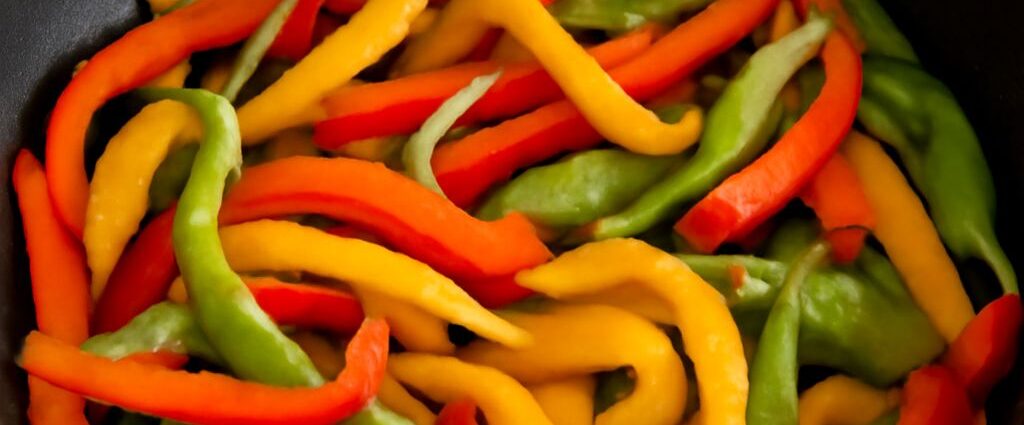
Pepper recipes work best when you match the pepper to the job. Sweet peppers bring freshness and crunch, while red peppers add more sweetness and depth. If you want recipes with sweet peppers that are easy to cook, start with sautés, roasts, stuffed peppers, and salads.
The quickest wins are flexible. Use bell peppers for weeknight cooking, roasted red peppers for richer flavor, and mixed colors when you want a brighter plate. The best recipes for peppers usually keep the method simple and let the vegetable stay front and center.
Pepper Recipes: Main Options
These are the most useful pepper recipes to keep on hand. They cover the common ways people cook sweet peppers and red peppers without overcomplicating the meal.
1. Quick sautéed peppers and onions
This is the fastest base recipe. Slice sweet peppers into strips, add onion, and cook in olive oil with salt and pepper. In 8 to 10 minutes, you get a tender-crisp side for tacos, grain bowls, eggs, or sandwiches.
2. Roasted sweet red peppers
Roasting brings out natural sugar and softens the texture. Toss halved peppers with oil, roast at high heat, and finish with garlic or herbs. This works well for sweet red pepper recipes that need deeper flavor, like pasta sauces, toasts, and blended soups.
3. Stuffed peppers
Stuffed peppers are the most complete dinner option. Fill halved bell peppers with rice, beans, ground meat, lentils, or quinoa. Bake until the peppers are tender and the filling is hot. This is one of the most reliable recipes for peppers when you want a full meal in one dish.
4. Pepper salad or slaw
Raw peppers add crunch and color. Slice sweet peppers thinly and combine them with cucumber, herbs, lemon, or vinegar. Add feta, chickpeas, or avocado if you want more substance. This style is ideal when you want recipes with sweet peppers that stay light.
5. Sheet-pan peppers with protein
Roast peppers with chicken, sausage, tofu, or shrimp. The peppers soften and pick up browned edges while the protein finishes at the same time. This is one of the easiest pepper recipes for busy nights because everything cooks together.
6. Red pepper pasta sauce
Blend roasted red peppers with olive oil, garlic, and a little cream or broth for a smooth sauce. It coats pasta well and also works on gnocchi or baked vegetables. Among sweet red pepper recipes, this one delivers the most flavor per step.
Compare Pepper Recipes by What Matters
Choose by texture, time, and the kind of meal you want. Those three factors usually decide the best result faster than the recipe title does.
- Fastest option: sautéed peppers. Best when you need a side in under 15 minutes.
- Most flavor: roasted red peppers. Best when you want sweetness and a softer finish.
- Most filling: stuffed peppers. Best for lunch or dinner, especially with grains or protein.
- Best raw use: pepper salad. Best when you want crunch and freshness.
- Best for batch cooking: sheet-pan peppers. Best when you want leftovers that still taste good.
- Best for blending: red pepper sauce or soup. Best when you want smooth texture and deeper flavor.
Think about how the pepper should behave in the dish. If you want bite, keep cooking brief. If you want sweetness, roast longer. If you want the pepper to carry the meal, use larger bell peppers and a sturdy filling.
Color matters too. Green peppers taste sharper and more vegetal. Yellow and orange peppers are milder. Red peppers are the sweetest and usually the best fit for sweet red pepper recipes where flavor needs to stand out.
Texture is the other key tradeoff. Raw peppers stay crisp but can feel assertive. Sautéed peppers soften without losing shape. Roasted peppers become silky and richer. Pick the texture that matches the rest of the plate.
Choose the Right Pepper for the Dish
Use the pepper that fits your recipe style, not just what is in the fridge. Bell peppers are the most versatile choice because they are thick enough for stuffing and mild enough for salads, sautés, and roasting.
For quick dinners: choose red, yellow, or orange bell peppers. They soften quickly and taste sweeter than green peppers.
For sauces and blended dishes: use red peppers. They give a cleaner, sweeter base and a more polished color.
For high-heat roasting: use thick-walled bell peppers. They hold up well and develop browned edges without turning mushy.
For cold dishes: use crisp sweet peppers. They add color and keep their texture in salads, salsas, and snack plates.
For stuffing: use medium to large peppers with flat sides. They sit upright better and cook more evenly.
If you want recipes with sweet peppers that suit a cautious eater or a simple meal plan, keep seasoning modest. Olive oil, salt, garlic, lemon, herbs, and a little cheese are enough for most dishes. Strong spice can come later.
How to Use Peppers Well
Good pepper recipes depend on a few small habits. First, dry the peppers well before roasting or sautéing. Excess moisture slows browning and can make them steam instead of cook.
Second, cut for the goal. Wide strips cook fast and work in fajitas or stir-fries. Large halves are better for stuffing. Small dice are useful for omelets, sauces, and soups.
Third, season in layers. Salt the peppers lightly before cooking, then adjust at the end. Add acid, such as lemon or vinegar, after cooking if you want the flavor to feel brighter.
Fourth, avoid overcooking if you want structure. Peppers should still hold some shape in most recipes for peppers. If they collapse completely, the dish can turn watery and lose contrast.
Here are dependable combinations that make sweet red pepper recipes easier to plan:
- Roasted red peppers + pasta + parmesan
- Sweet peppers + onions + sausage
- Bell peppers + rice + black beans
- Red peppers + tomato + garlic
- Raw peppers + cucumber + feta
- Peppers + eggs + potatoes
If you want one dependable path, start with roasted red peppers for depth, sautéed peppers for speed, and stuffed peppers for a complete meal. Those three cover most pepper recipes people actually cook at home.







Comments are closed, but trackbacks and pingbacks are open.