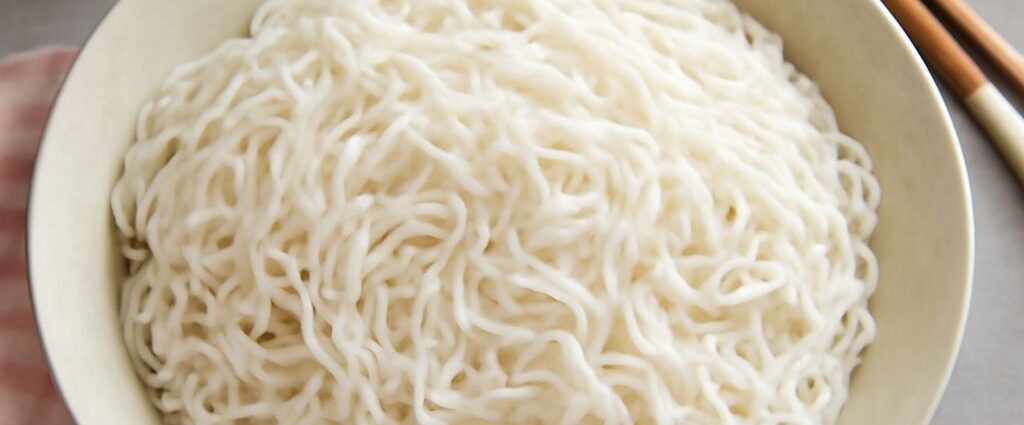
Choose egg noodles for a chewy, savory noodle that stands up to rich broth and wok sauces. Choose rice noodles for a lighter, tender noodle with a slippery bite. The choice in egg noodle vs rice noodle comes down to the texture you want and how much liquid the noodle must handle.
Egg noodles are usually best in hearty soups, saucy stir-fries, and dishes where the noodles should remain springy. Rice noodles suit clear soups, quick stir-fries, fresh salads, and dishes such as pho or pad Thai.
The Short Answer: Egg Noodle vs Rice Noodle
Egg noodles are made from wheat flour and eggs, so they have a firm, elastic texture and a mild wheat flavor. Rice noodles are made primarily from rice flour and water, producing a softer, smoother noodle with a subtle flavor.
For a rich beef soup or a soy-based stir-fry, use egg noodles. Their structure resists overcooking and supports heavier sauces. For a light chicken broth, curry noodle dish, or chilled noodle salad, use rice noodles. They cook quickly and let herbs, citrus, chilies, and other ingredients stand out.
When comparing egg noodles vs rice noodles, neither is universally better. Egg noodles offer resilience and chew; rice noodles offer delicacy and fast preparation.
Ingredients, Flavor, and Texture
Egg noodles: Wheat flour supplies gluten, while eggs add richness, color, and a slightly savory flavor. Fresh egg noodles are soft but springy. Dried versions are firmer and often have a more pronounced chew after cooking. Their uneven or slightly porous surfaces can hold oil, broth, and savory sauces well.
Rice noodles: Rice flour creates a clean, neutral taste that absorbs the surrounding flavors. Some varieties also contain tapioca or other starches for flexibility. Thin rice vermicelli becomes delicate and slippery, while broad noodles such as those used in pad see ew feel softer and more substantial.
Egg noodles generally remain bouncy when tossed in a wok. Rice noodles become tender quickly and can turn sticky or break if soaked too long, boiled aggressively, or stirred repeatedly. That difference matters more than flavor when choosing noodles for a specific dish.
Cooking Methods Compared
Egg noodles usually go straight into boiling water. Fresh varieties may need only two to four minutes, while dried noodles commonly take five to eight minutes. Cook them until barely tender if they will finish in soup or a hot pan. Rinse only when a recipe calls for it, since rinsing removes surface starch that helps sauces cling.
Rice noodles often require soaking rather than prolonged boiling. Thin noodles may soften in hot water within three to ten minutes. Wider or thicker varieties can take 10 to 30 minutes in warm water, depending on their size and brand. Some fresh rice noodles only need brief reheating. Drain them while still slightly firm, then finish them in broth or a wok.
For either type, package directions are a starting point because thickness and freshness change cooking times. Test a strand before draining. It should be tender throughout, with enough firmness to survive the final cooking step.
Egg Noodles vs Rice Noodles: Best Dishes
Use egg noodles for:
- Beef, chicken, or wonton soups with robust broth
- Lo mein, chow mein, and other saucy stir-fries
- Rich mushroom, pork, or sesame noodle dishes
- Cold salads where a firm, chewy noodle is preferred
Use rice noodles for:
- Pho and other clear, aromatic soups
- Pad Thai, pad see ew, and quick vegetable stir-fries
- Cold vermicelli bowls with herbs, vegetables, and grilled meat
- Light salads dressed with lime, fish sauce, chili, or sesame
Match the noodle’s thickness to the dish. Thin rice vermicelli works with delicate dressings and broths, while broad rice noodles handle stronger sauces. Medium egg noodles are versatile, but very thick varieties can overwhelm a light soup.
Rice Noodles vs Egg Noodles: Substitution and Sauce Absorption
You can substitute one for the other, but the result will not have the same texture. In rice noodles vs egg noodles, the main adjustment is timing: rice noodles often need soaking before the recipe starts, while egg noodles usually need direct boiling. Rice noodles also need less time in a hot wok and should be added near the end.
Replacing egg noodles with rice noodles can make a dish softer and more absorbent. Use slightly less sauce at first, because rice noodles can drink up liquid quickly and become heavy or sticky. Keep the noodles under-soaked so they can absorb some sauce without collapsing.
Replacing rice noodles with egg noodles usually requires more boiling time and a little more sauce. Wheat-based egg noodles tend to stay springy, so they may not absorb thin dressings as readily. Toss them thoroughly with the sauce, or loosen the dish with a splash of broth, cooking water, or stock.
- For soup: Cook the replacement separately when possible, then add it just before serving.
- For stir-fries: Undercook the noodles slightly and finish them in the pan.
- For cold dishes: Rinse cooked noodles, drain thoroughly, and adjust the dressing after they cool.










Comments are closed, but trackbacks and pingbacks are open.