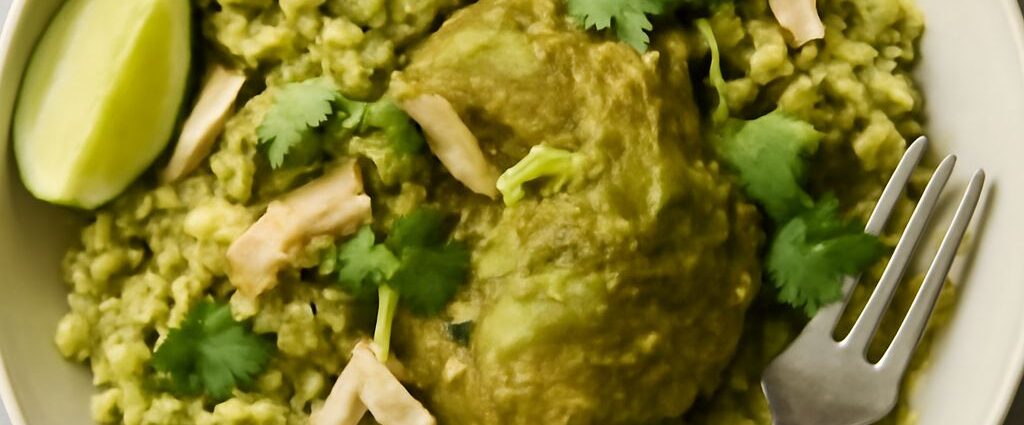
Lime rice recipe starts with cooked rice, fresh lime zest, lime juice, cilantro, a little fat, and salt. The result should be bright, fluffy, and lightly tangy, not wet or sour. This method works well with white rice, brown rice, or jasmine rice.
Use hot rice for the best absorption, then finish with fresh herbs and a small amount of liquid. If the grains are already cold, warm them first so the seasoning spreads evenly.
Quick Answer
To make lime rice, cook 1 cup long-grain rice, then fluff it and season it with 1 tablespoon oil or butter, 1 to 2 teaspoons lime zest, 2 to 3 tablespoons lime juice, 2 tablespoons chopped cilantro, and salt to taste. Toss gently and serve warm.
For a fuller bowl, start with about 3 cups cooked rice. That amount usually comes from 1 cup uncooked rice and is enough for 4 side servings.
Step-by-Step Method
- Cook the rice. Rinse 1 cup rice if needed, then cook it in 2 cups water according to the package or your usual method. A tight lid and low heat help keep the grains separate.
- Rest and fluff. When the rice is done, let it sit covered for 5 to 10 minutes. Then fluff it with a fork so steam escapes and the texture stays light.
- Prepare the lime. Zest 1 lime before juicing it. The zest gives the strongest citrus flavor, while the juice adds freshness and balance.
- Add the seasoning. Transfer the hot rice to a bowl. Mix in 1 tablespoon olive oil or butter, the lime zest, 2 tablespoons lime juice, 2 tablespoons chopped cilantro, and 1/2 teaspoon salt.
- Toss gently. Fold the rice with a fork or spoon until the seasoning is evenly spread. Do not mash the grains.
- Taste and adjust. Add a little more lime juice for brightness, more salt for balance, or a touch more oil if the rice seems dry.
If you want a softer, more aromatic version, add a small pinch of garlic powder or a spoonful of sautéed onion before mixing. Keep additions modest so the lime stays front and center.
Tips and Mistakes to Avoid
- Use fresh lime, not bottled juice, when possible. Fresh juice tastes cleaner and the zest adds depth.
- Do not add too much juice at once. Too much liquid can make the rice soggy and overpower the flavor.
- Season hot rice. Warm grains absorb lime, salt, and herbs more evenly than cold rice.
- Fluff before mixing. Compact rice clumps easily, which can lead to uneven seasoning.
- Chop cilantro finely. Large stems can create a harsh texture. Use mostly leaves and tender stems.
- Check the balance. Good lime rice tastes fresh, lightly salty, and bright. If it tastes flat, it usually needs more salt, not more lime.
One common mistake is overcooking the rice before seasoning it. Soft, sticky rice can still taste good, but it will not have the same clean texture. Another mistake is mixing while the rice is steaming aggressively; that can break the grains and make the bowl gummy.
If you want a stronger citrus note, add extra zest instead of extra juice. Zest gives flavor without thinning the rice.
Storage and Serving Notes
Serve lime rice alongside grilled chicken, fish, beans, roasted vegetables, or taco-style fillings. It also works as a base for bowls with avocado, salsa, and cooked corn. The flavor stays simple enough to pair with many mains.
Store leftovers in an airtight container in the refrigerator for up to 4 days. For the best texture, cool the rice quickly before refrigerating it. When reheating, add a teaspoon of water and warm it covered so the grains soften without drying out.
If the rice tastes less lively after storage, finish it with a small squeeze of fresh lime and a pinch of salt. Add a little more chopped cilantro only after reheating, since herbs taste brighter when added at the end.
You can also make the rice in advance and keep the lime mixture separate. Combine them just before serving if you want the freshest flavor and the brightest color.







Comments are closed, but trackbacks and pingbacks are open.