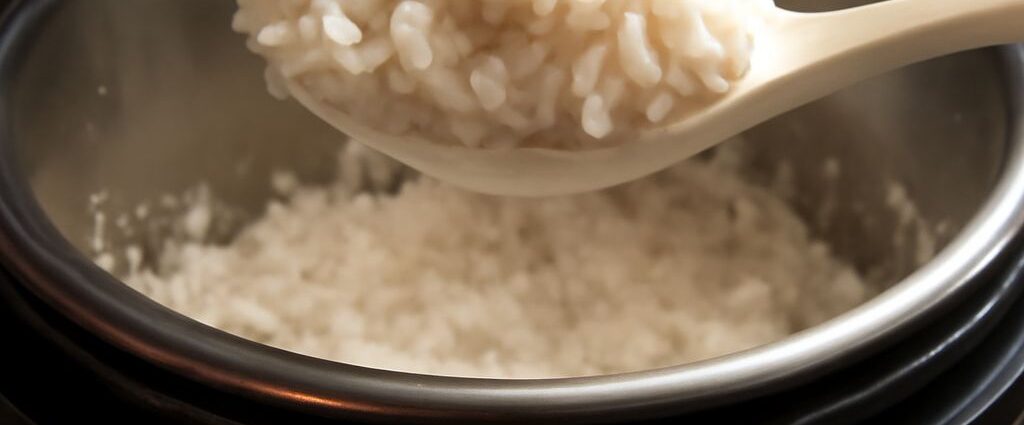
To make sushi rice in a rice cooker, use short-grain Japanese rice, rinse it well, cook it with a slightly reduced water ratio, then season it with rice vinegar, sugar, and salt while the rice is still warm. The goal is glossy, tender grains that hold together without turning mushy.
This is a straightforward kitchen skill, but small details matter. A rice cooker makes the process easier, yet the texture still depends on rinsing, water amount, and gentle handling after cooking. Follow the steps below for rice that works well for rolls, bowls, hand-pressed sushi, and other home cooking uses.
Quick Answer
The best sushi rice rice cooker method is: rinse 2 cups of sushi rice until the water runs mostly clear, soak it briefly if time allows, cook it in the rice cooker with about 2 cups of water or the amount your rice cooker needs for short-grain rice, then fold in a seasoned vinegar mixture after cooking. Let it rest covered for a few minutes before seasoning, and cool it to warm-room temperature before serving.
If your rice cooker has a sushi rice setting, use it. If not, the regular white rice setting usually works well for short-grain rice as long as the water amount is right and the rice is not stirred aggressively after cooking.
Step-by-Step Method
Rinse and soak the rice
Measure the rice first, then rinse it in a bowl or fine-mesh sieve under cold water. Swirl it with your hand, drain, and repeat several times until the water looks less cloudy. This removes excess surface starch, which helps the grains stay distinct instead of sticky in a gummy way.
For even texture, soak the rinsed rice in fresh water for 20 to 30 minutes before cooking. Soaking is especially useful if your rice cooker tends to make rice a little firm. Drain well before adding the water for cooking.
Add the right water ratio
Short-grain sushi rice usually needs slightly less water than long-grain rice, but the exact amount depends on the variety and the rice cooker. A practical starting point is 1 cup rice to 1 cup water, then adjust next time if needed.
Some brands and rice cookers call for a bit more or a bit less water. If your cooker has fill lines for short-grain or sushi rice, use those first. If you are measuring manually, keep the rice and water level consistent from batch to batch so you can fine-tune the texture.
Basic starting amount for 2 cups rice: 2 cups water, plus the rice-rinsing and soaking step above.
Cook and steam
Transfer the drained rice and measured water into the rice cooker bowl. Close the lid and cook on the standard white rice or sushi rice setting. Avoid opening the lid during cooking, since that can interrupt the steam cycle.
When the cooker switches to warm, let the rice sit covered for 10 to 15 minutes. This resting period helps the moisture distribute evenly and gives the grains a better texture for seasoning and shaping.
Season the rice
While the rice rests or shortly after, mix a simple seasoning: rice vinegar, sugar, and salt. A common starting point for 2 cups uncooked rice is:
- 3 tablespoons rice vinegar
- 1 1/2 tablespoons sugar
- 3/4 teaspoon salt
Warm the mixture just enough to dissolve the sugar and salt, then cool it slightly. Transfer the cooked rice to a wide bowl or tray if possible. Drizzle the seasoning over the rice and use a rice paddle or spatula to fold it in gently, cutting through the rice rather than smashing it.
At the same time, fan the rice lightly if you can. This helps the grains cool with a glossy surface. Stop mixing once the seasoning is evenly distributed; overworking the rice will make it dense and pasty.
Tips and Mistakes to Avoid
Choose the right rice
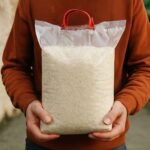
Use short-grain or medium-grain Japanese rice labeled for sushi. Long-grain rice does not give the same clingy texture, and it will not hold together properly for rolls or molded sushi.
If you only have a different short-grain rice, it may still cook well for rice bowls, but the results can vary. For the most reliable sushi rice in a rice cooker, start with a rice variety meant for this purpose.
Do not overmix
Sushi rice should be folded, not stirred like risotto. Stirring too hard breaks the grains and creates a heavy texture. Use a slicing motion and turn the rice gently from the bottom to the top until the seasoning is absorbed.
Avoid mashing the rice against the sides of the bowl. If you are using a plastic rice paddle, dampen it slightly so rice is less likely to stick.
Check texture and seasoning
Good sushi rice should be tender but still slightly firm at the center of each grain, with a unified texture that clumps when pressed lightly. If it seems dry, the next batch may need a little more water or a longer soak. If it seems wet or mushy, reduce the water slightly next time and be sure to drain the rinsed rice well.
Taste a small spoonful after seasoning. It should be balanced, not sharply sour or overly sweet. Adjusting the vinegar mixture is easier than trying to fix the rice later, so season gradually if you are unsure.
Common mistakes:
- Skipping the rinse, which leaves too much starch on the rice
- Using too much water, which makes the grains mushy
- Opening the lid during cooking
- Stirring too aggressively after cooking
- Adding the seasoning when the rice is ice-cold
Storage and Serving Notes
Cool properly
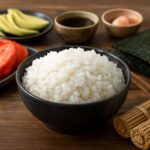
Sushi rice is best served at warm room temperature, not piping hot. After seasoning, let it cool uncovered only until it reaches a comfortable handling temperature, then keep it covered with a clean damp cloth or lid so it does not dry out.
Do not leave cooked rice out for long periods. Like other cooked rice, it should be handled carefully and refrigerated promptly if it will not be used soon.
Store safely
If you have leftovers, pack the rice into shallow containers and refrigerate it as soon as it has cooled enough to store. Use within a short time frame for the best texture and food quality, and follow standard food-safety guidance for cooked rice in your kitchen.
Refrigerated sushi rice will lose some softness. To refresh it, sprinkle on a little water, cover it, and warm it gently only if your recipe allows that use. For sushi rolls and hand rolls, fresh is best; cold rice tends to crack and feel stiff.
Best ways to serve
Use sushi rice for maki rolls, nigiri, hand rolls, chirashi bowls, or simple rice bowls with toppings. If you are making rolls, let the rice cool to warm before assembling so the nori does not wilt too quickly.
For a cleaner finish, keep a small bowl of water nearby when handling the rice. Wet hands make shaping easier and prevent sticking without adding extra seasoning or oil. That simple habit helps the rice stay neat, light, and easy to work with.









Comments are closed, but trackbacks and pingbacks are open.