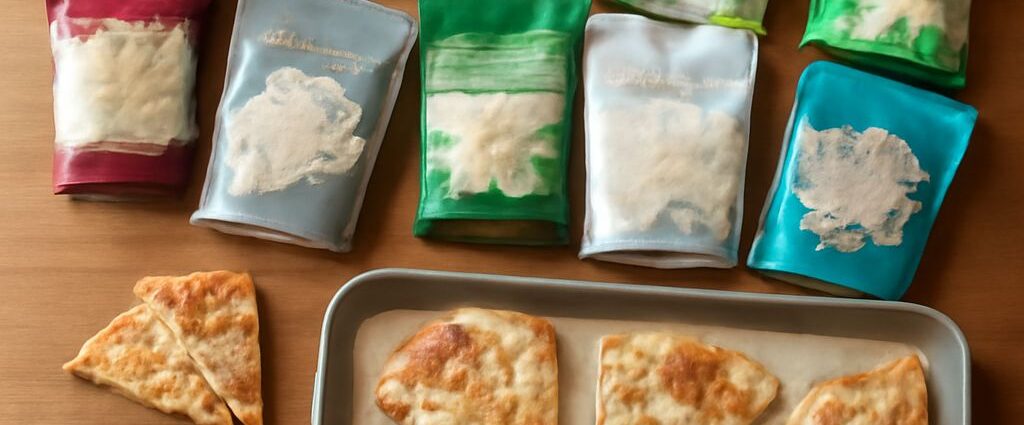
The best dairy-free cheese no longer means sacrificing taste or texture. Today’s top plant-based options melt, stretch, slice, and satisfy in ways that rival traditional dairy. Whether you want gooey pizza mozzarella, sharp cheddar for sandwiches, or a creamy spread for crackers, there is a vegan cheese made for the job. This guide highlights what separates a good vegan cheese from the rest, introduces standout brands, and shows exactly how to use them in everyday cooking.
What to Look for in the Best Vegan Cheese
Great vegan cheese starts with quality ingredients and smart fermentation. The most successful varieties are often cultured like traditional cheese, giving them a genuine tang and depth. Look for bases made from nuts (especially cashew and almond), coconut oil, or fermented soy. These fats and proteins create a creamy mouthfeel and help the cheese brown or melt under heat.
Meltability is a key differentiator. Many cheaper dairy-free cheeses turn gummy or separate into oil instead of becoming soft and stretchy. The best dairy-free cheese products use modified starches, coconut oil blends, or cultured protein to replicate that satisfying melt. For cold applications like sandwiches or cheese boards, choose aged nut wheels or firmer block-style options that slice cleanly and hold their shape. Ingredients like nutritional yeast, miso, and lactic acid contribute sharpness without any dairy, so a short, recognizable ingredient list is always a sign of a well-made product.
Best Vegan Cheese Brands to Try
Violife is widely available and consistently delivers on melt. Its mozzarella shreds go from bag to golden pizza top without peculiar aftertaste, and the mature cheddar slices add a bold, tangy note to burgers and grilled cheese. The coconut-oil base stays firm when cold but releases into a luscious texture with heat.
Miyoko’s Creamery specializes in cultured cashew-based cheeses that undergo a traditional aging process. The Classic Double Cream Chive wheel tastes sharp and spreadable at room temperature, while the liquid pizza mozzarella pours on as a sauce and browns beautifully in a hot oven. These are artisan-style choices for when you want a cheese board centerpiece or a next-level homemade pizza.
Daiya has reformulated its shreds and blocks in recent years, making them creamier and less starchy. Their cutting-board cheddar shreds melt smoothly into mac and cheese, and the provolone slices add the right savory note to a hot panini. Daiya also offers a rich cream cheese alternative and even a frozen cheesecake for desserts.
Chao Creamery by Field Roast uses fermented tofu and coconut for some of the creamiest slices on the market. The original creamy flavor is delicately smoky and melty, ideal for a classic diner-style grilled cheese. Chao slices also taste excellent cold, layered in a wrap or on a sandwich straight from the fridge.
Follow Your Heart produces reliable shreds and slices under the same name as its popular Vegenaise. The smoked gouda and provolone slices pack noticeable flavor, while the mozzarella shreds perform well in casseroles and lasagna. The texture stays consistently smooth rather than waxy.
Treeline focuses on soft, spreadable cashew cheeses in flavors like herb-garlic and scallion, making them excellent for bagels, crackers, or stirring into warm pasta. The ingredient lists are minimal, with no gums or artificial flavors. For cream cheese alternatives, Kite Hill offers almond-milk-based ricotta and plain cream cheese that taste clean and neutral, perfect for sweet or savory uses.
How to Use Dairy-Free Cheese in Everyday Cooking
Melt dairy-free cheese differently than dairy. Low, gentle heat and a covered pan are your best tools. For grilled cheese, butter the bread, layer slices of Chao or Violife, and cook over medium-low with a lid on the skillet. The trapped steam helps the cheese soften evenly without scorching the bread. If shreds or slices look dry during melting, add a teaspoon of water or plant milk around the edge of the pan and cover immediately.
When topping pizza, spread a thin layer of sauce over the dough, then scatter Violife mozzarella shreds or drizzle Miyoko’s liquid mozzarella. Bake at a high temperature (220°C/425°F or above) and watch the cheese bubble and brown. For casseroles and baked pastas, stir a small amount of neutral oil or unsweetened creamer into the shreds before baking to promote a cohesive, gooey top.
Many vegan cheese blocks grate most easily when cold. Keep a block of aged nut cheese in the freezer for 10 minutes, then grate it directly over tacos, salads, or pasta. The fine shreds thaw instantly on hot food. Soft spreadable cheeses like Treeline or Kite Hill ricotta can be dolloped onto roasted vegetables, swirled into soups, or thinned with a splash of plant milk to make a quick cream sauce.
If an oily sheen appears during baking, simply blot with a paper towel. That release is mostly coconut oil, and removing excess doesn’t sacrifice flavor. Stirring regularly when making a cheese sauce from shreds will keep the mixture emulsified and smooth rather than separated.
Tips for Choosing and Storing Vegan Cheese
- Match the type to the dish. Melty shreds and slices work best for hot applications, while aged wheels or soft spreads shine on a cheese board. Having two or three different styles in the refrigerator covers most meals.
- Read the ingredient panel. Prioritize cultured nuts, seeds, or legumes near the top of the list. A good vegan cheese usually relies on fermentation and natural starches rather than long strings of gums and preservatives.
- Store like dairy cheese. Keep vegan cheese wrapped in parchment or inside an airtight container in the coldest part of the refrigerator. Most open packages stay fresh for five to seven days. Maintain original wrapping for pre-sliced products, and press out air before resealing.
- Freeze for later. Many firmer blocks and shreds freeze well. Shred the block first, then freeze in a zip-top bag with the air removed. Frozen shreds can go straight into a hot pan or onto a pizza without defrosting. Soft spreadable cheeses and cream cheese alternatives don’t freeze as successfully because the texture can turn grainy.
- Taste cold, then warm. A cheese that seems mild straight from the fridge often develops more personality when melted. Before judging a new brand, sample it both ways so you know exactly how it will perform in your favorite recipes.
With the right brands and a few simple techniques, dairy-free cheese fits seamlessly into any meal. From melted mozzarella to tangy, sliceable cheddar, the options keep getting better, so you never have to compromise on flavor or function.





Comments are closed, but trackbacks and pingbacks are open.