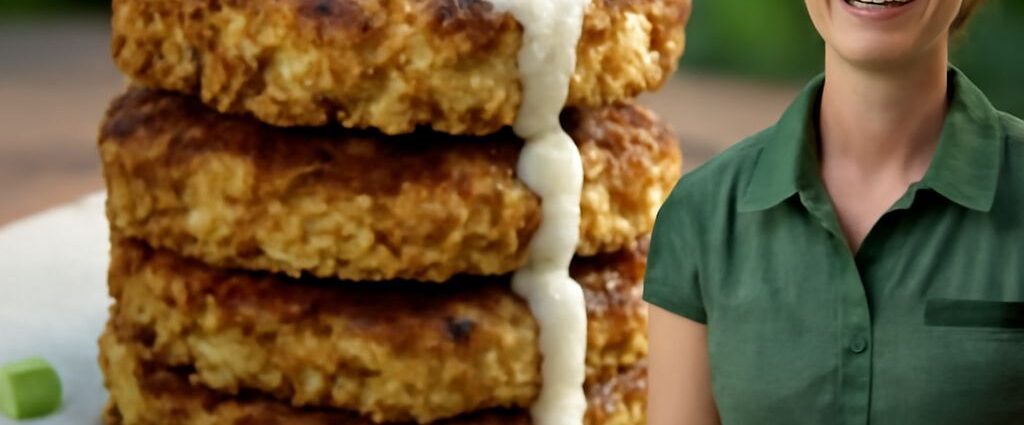
Vegan crab cakes deliver the flaky, golden, satisfying bite of the classic seafood dish without any animal products. They work beautifully as a starter, a light main, or a crowd-pleasing party snack. This vegan crab cakes recipe uses plant-based ingredients that genuinely mimic the texture and briny depth of traditional crab cakes.
Whether you follow a fully plant-based diet or simply want to expand your repertoire of vegetarian crab cakes, this guide covers everything from choosing the right base ingredient to getting that perfect golden crust. Expect practical advice, clear steps, and variations that suit different skill levels and ingredient availability.
What Makes Vegan Crab Cakes Work
The secret lies in choosing a base that shreds into fibrous, flaky pieces. Hearts of palm vegan crab cakes are the most popular choice for good reason. Hearts of palm has a mild, slightly briny flavour and a stringy texture that pulls apart almost identically to lump crab meat. It holds its shape well during cooking and absorbs seasoning evenly.
Jackfruit is a strong second option. Young green jackfruit, packed in water or brine rather than syrup, shreds into strands that closely resemble crab meat. It has a neutral flavour, which makes it ideal for absorbing the bold, savoury seasoning typical of crab cakes. Both options are widely available in tins from most supermarkets.
Beyond the base, the binding mixture matters enormously. A combination of vegan mayonnaise, ground flaxseed mixed with water, or aquafaba holds the patties together without eggs. Breadcrumbs add structure and help create that crisp exterior. Old Bay seasoning, nori flakes, lemon zest, Dijon mustard, and capers bring the characteristic flavour profile that makes these plant-based patties taste genuinely convincing.
Chilling the formed patties before cooking is non-negotiable. At least 30 minutes in the refrigerator firms them up and prevents them from falling apart in the pan. This step is where many first attempts go wrong. Do not skip it.
Ingredients and Key Variations
For a standard batch of eight small patties, you will need the following core ingredients.
- 400g tinned hearts of palm, drained and roughly shredded
- 3 tablespoons vegan mayonnaise
- 1 tablespoon flaxseed mixed with 3 tablespoons water, rested for 5 minutes
- 60g panko breadcrumbs, plus extra for coating
- 1 teaspoon Old Bay seasoning
- 1 sheet nori, finely crumbled or blended into flakes
- 1 teaspoon Dijon mustard
- 1 tablespoon capers, roughly chopped
- Zest of half a lemon
- Salt and black pepper to taste
- 2 tablespoons neutral oil for frying
This base recipe is highly adaptable. Swap hearts of palm for shredded jackfruit if that is easier to source. Both produce excellent plant-based patties with slightly different textures. Jackfruit versions tend to be a little denser, while hearts of palm gives a lighter, more delicate result.
For a gluten-free version, replace panko with gluten-free breadcrumbs or finely crushed rice crackers. The coating will be slightly less crisp but still very satisfying. Adding a small amount of finely diced red pepper or spring onion introduces colour and a gentle sweetness that complements the briny seasoning well.
Baked versions are also possible. Brush the patties with oil and bake at 200°C for 20 to 25 minutes, flipping halfway. The crust will not be quite as golden as pan-frying, but the interior stays moist and flavourful. Air-frying at 190°C for 12 to 15 minutes produces a result closer to pan-frying with less oil.
How to Make Vegan Crab Cakes Step by Step
Start by draining the hearts of palm thoroughly. Pat them dry with kitchen paper to remove as much moisture as possible. Excess liquid is the main cause of patties that fall apart or turn out soggy. Shred the hearts of palm by hand into irregular, stringy pieces rather than chopping them, which preserves the flaky texture.
In a large bowl, combine the shredded base with vegan mayonnaise, flax egg, Dijon mustard, capers, nori flakes, lemon zest, Old Bay seasoning, salt, and pepper. Mix gently. You want everything combined but not mashed into a paste. Fold in the panko breadcrumbs last. The mixture should hold together when pressed but still look textured and slightly rough.
Divide the mixture into eight equal portions. Shape each into a patty roughly 2cm thick. Press the outside of each patty into a light coating of extra panko for added crunch. Place the shaped patties on a lined tray and refrigerate for at least 30 minutes, or up to 24 hours if preparing ahead.
Heat oil in a non-stick or cast iron pan over medium-high heat. Cook the patties in batches for 3 to 4 minutes per side until deeply golden. Avoid moving them too soon. They will release naturally from the pan when a proper crust has formed. Drain briefly on kitchen paper before serving.
Serving and Storage Tips
These plant-based crab cakes pair naturally with a tangy vegan remoulade or a simple lemon-herb aioli made from vegan mayonnaise, garlic, and fresh dill. A crisp green salad or slaw cuts through the richness of the fried patties. Serve them on small rolls for a satisfying sandwich, or alongside roasted corn and dressed greens for a more substantial plate.
For a full vegan crab cakes recipe spread, offer a few dipping sauces alongside: sriracha mayo, tartare-style sauce, or a mango and chilli salsa all work well. These additions make the dish feel more complete without adding complexity to the cooking process.
Cooked patties keep well in an airtight container in the refrigerator for up to three days. Reheat them in a dry pan over medium heat or in an air fryer to restore the crust. Avoid microwaving, which softens the exterior and makes them lose their appeal.
Uncooked, shaped patties freeze successfully. Arrange them on a tray to freeze individually, then transfer to a freezer bag. Cook directly from frozen in a pan with a little extra oil, adding two to three minutes to the cooking time per side. This makes them an excellent option for batch cooking within a broader vegetarian crab cakes meal prep routine.





Comments are closed, but trackbacks and pingbacks are open.