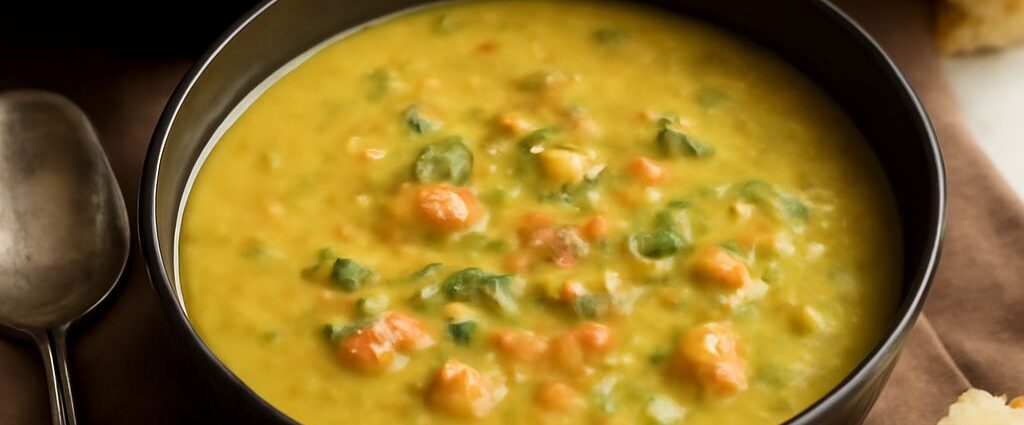
Vegetarian Basics > Vegan Basics is full of dependable meals, and Vegetarian Split Pea Soup earns its place easily. This budget-friendly pot delivers deep flavor from simple pantry ingredients, cooks mostly hands-off, and turns dried peas into a thick, comforting dinner that works for busy weeknights or meal prep.
Whether you want a hearty split pea soup, a reliable vegan split pea soup, or a flexible vegetarian pea soup, this guide keeps the process straightforward. It also shows how to build a satisfying pea soup recipe with easy swaps, practical prep notes, and serving ideas that fit everyday vegan-and-vegetarian-essentials cooking.
Why Vegetarian Split Pea Soup Fits Vegetarian Basics > Vegan Basics
Vegetarian Split Pea Soup belongs in any vegan basics collection because it is affordable, filling, and built from staple ingredients. Dried split peas, onions, carrots, celery, broth, and a few seasonings create a complete-feeling bowl without complicated steps or specialty shopping.
It also scales well. A small batch makes a simple lunch plan, while a large pot supports family dinners and leftovers. Like many core vegetarian basics recipes, this pea-based soup improves after resting, so it is especially useful for make-ahead cooking.
Another reason it fits the category is flexibility. A split pea bowl can be rustic and thick, smoother and blended, or loaded with extra vegetables. You can keep the seasoning classic with bay leaf and thyme, or lean brighter with lemon, parsley, and black pepper. That range makes this vegan pea soup useful across seasons and eating styles.
What Makes Vegetarian Split Pea Soup Work So Well
Vegetarian Split Pea Soup works because split peas naturally break down as they simmer. That creates body without cream, flour, or a long list of thickeners. The result is a rich texture from pantry basics alone, which is one reason this style of soup is such a strong vegan basics favorite.
Aromatics matter just as much. Onion, carrot, and celery build sweetness and depth, while garlic adds a sharper savory note. Bay leaves, thyme, marjoram, smoked paprika, or a small amount of cumin can all support the earthy flavor of the peas without overwhelming them.
Good broth helps, but water can work if the vegetables and seasoning are balanced well. A pinch of salt early on starts flavor development, while final seasoning at the end keeps the finished pot lively. If the soup tastes flat, acid often fixes it faster than more salt. A little lemon juice or mild vinegar can brighten a dense pea soup beautifully.
Texture is the final piece. Some cooks prefer a thick, spoon-standing split pea soup, while others like a looser consistency. Both are correct. The key is adjusting with extra broth or water near the end, because split peas continue absorbing liquid as they sit.
Ingredients And Variations For Split Pea Soup
At its simplest, split pea soup needs dried green split peas, onion, carrot, celery, garlic, vegetable broth or water, olive oil, salt, pepper, and a bay leaf. Thyme is especially good here, and smoked paprika gives a gentle hint of the savoriness often associated with traditional versions.
- Split peas: Green split peas are most common, but yellow split peas also work and produce a slightly different color and flavor.
- Aromatics: Onion, carrot, and celery form the base. Leeks can replace some or all of the onion for a softer sweetness.
- Liquid: Vegetable broth adds depth; water is fine if you season carefully.
- Seasonings: Bay leaf, thyme, black pepper, parsley, smoked paprika, and lemon are all useful.
- Fat: Olive oil or another neutral cooking oil helps sauté the vegetables and carry flavor.
For a fuller vegan split pea soup, add diced potato, chopped greens, or extra carrots. Small cubes of sweet potato can add body and a gentle sweetness. Mushrooms bring more savory depth. If you want a smoother vegan split-pea texture, blend part of the pot and leave the rest chunky.
A more herb-forward vegetarian pea soup can include dill or parsley near the end. For a rustic version, add diced parsnip or turnip with the carrots and celery. If you prefer a brighter pea soup recipe, finish with lemon zest and chopped herbs just before serving.
Prep note: rinse split peas well and sort through them before cooking. Remove any small stones or damaged peas. Unlike many beans, split peas do not need soaking, which is part of what makes this split-pea soup so practical.
How To Make Pea Soup Recipe Step By Step
This pea soup recipe is straightforward and forgiving. Expect about 10 to 15 minutes of prep and 45 to 75 minutes of simmering, depending on the age of the peas and your preferred texture.
- Sauté the base. Heat oil in a large pot over medium heat. Add diced onion, carrot, and celery with a pinch of salt. Cook until softened, about 8 minutes. Stir in garlic for 30 seconds.
- Add peas and liquid. Stir in rinsed split peas, bay leaf, thyme, and black pepper. Add vegetable broth or water and bring to a boil.
- Simmer gently. Lower the heat and cook uncovered or partially covered, stirring occasionally. The peas will soften and begin to fall apart.
- Adjust texture. For a rustic soup, mash some peas against the side of the pot. For a smoother pot of soup, blend part of it with an immersion blender.
- Finish and season. Remove the bay leaf. Add more salt and pepper to taste, then brighten with lemon juice or a small splash of vinegar if needed.
If your pea soup recipe becomes too thick, add hot broth or water a little at a time. If it seems thin, simmer longer. Split pea dishes continue thickening after cooking, so aim just a little looser than your final ideal consistency.
For a thicker vegan split pea soup, keep the lid off longer and let evaporation concentrate the pot. For a more delicate vegetarian pea soup, add extra broth and finish with chopped herbs instead of stronger spices. The same basic method also works in a slow cooker, though the stovetop gives easier control over final texture.
Serving And Storage Tips For Vegetarian Pea Soup
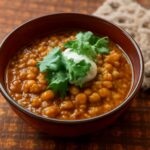
Vegetarian pea soup is best served hot with something simple on the side. Crusty bread, toasted sourdough, warm pita, or a basic green salad all pair well. For garnish, try black pepper, parsley, chives, lemon wedges, or a drizzle of olive oil.
This soup also works as part of a larger vegan basics meal. Serve smaller bowls beside sandwiches, grain salads, or roasted vegetables. A hearty split pea bowl can even be thinned slightly and used as a starter for a cold-weather dinner.
Storage is one of its strongest qualities. Cool the soup, transfer it to sealed containers, and refrigerate for up to 4 days. Reheat gently on the stove or in the microwave, adding water or broth as needed because the peas will keep absorbing liquid.
For longer storage, freeze portions for up to 3 months. Thaw in the refrigerator overnight when possible, then reheat slowly and stir well. A stored pot of split pea soup often tastes even more developed the next day, making it a smart meal-prep option.
If you want to refresh leftovers, add a squeeze of lemon, fresh herbs, or extra pepper just before serving. Those small finishing touches help a reheated bowl of vegetarian pea soup or a classic split-pea soup taste bright and newly made.



Comments are closed, but trackbacks and pingbacks are open.