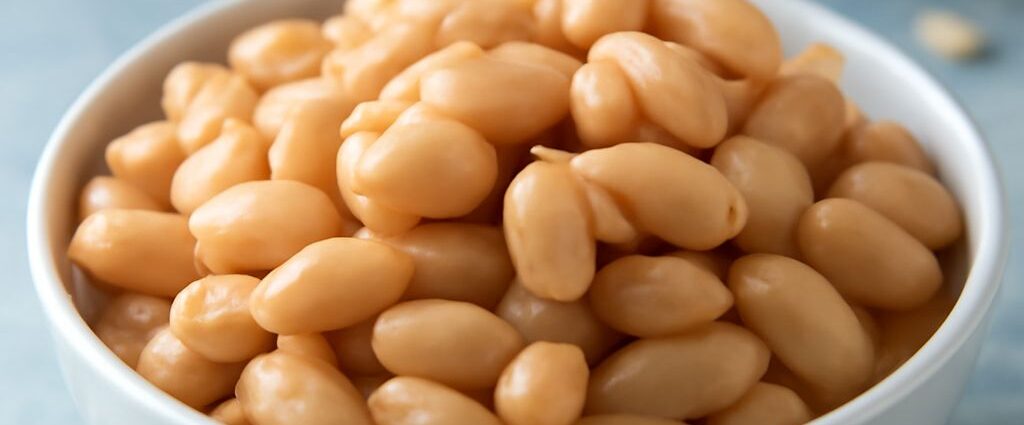
Northern beans—also called great northern beans—are a pantry staple that shine in plant-forward cooking. Their mild, nutty flavor and creamy texture make them a perfect canvas for bold spices, hearty vegetables, and umami-rich sauces. Whether you’re whipping up a quick weeknight dinner or meal-prepping for the week, northern beans recipes deliver protein, fiber, and versatility without sacrificing flavor. From soups to salads, these beans adapt effortlessly to global cuisines, proving that plant-based meals can be both nourishing and exciting.
If you’re new to cooking with northern beans or looking to expand your repertoire, this guide covers everything from basic prep to creative twists. Learn how to use northern beans in plant-based meals with confidence, avoid common pitfalls, and discover easy northern beans recipes that fit seamlessly into your routine. Let’s explore why these humble beans deserve a permanent spot in your kitchen.
Why Northern Beans Belong in Plant-Forward Kitchens
Northern beans stand out in plant-based cooking for three key reasons: nutrition, adaptability, and affordability. A one-cup serving packs 15 grams of protein and 12 grams of fiber, making them a powerhouse for satiety and digestive health. Unlike some legumes, their delicate flavor absorbs seasonings without overpowering other ingredients, which is ideal for layered dishes like stews or grain bowls. Plus, they’re budget-friendly, shelf-stable when dried, and widely available canned for convenience.
Beyond their practical benefits, northern beans align perfectly with plant-forward goals. They’re naturally low in fat, cholesterol-free, and rich in minerals like iron and magnesium. Their creamy texture when cooked mimics the mouthfeel of dairy or meat in many dishes, making them a go-to for vegan and vegetarian recipes. Whether you’re reducing animal products or simply adding more plants to your plate, these beans offer a simple way to boost nutrition without sacrificing satisfaction.
How to Prepare and Cook Northern Beans for Maximum Flavor
Proper prep is the foundation of great northern bean recipes. If using dried beans, start by sorting through them to remove any debris, then rinse under cold water. Soaking isn’t strictly necessary, but it reduces cooking time and can improve digestibility. For a quick soak, cover beans with water by 2 inches, bring to a boil for 2 minutes, then let them sit off the heat for 1 hour. Drain and rinse before cooking.
To cook, combine soaked beans with fresh water in a pot (use a 3:1 water-to-bean ratio) and bring to a gentle simmer. Avoid adding salt or acidic ingredients like tomatoes or vinegar at this stage, as they can toughen the skins. Instead, season the cooking liquid with aromatics like garlic, bay leaves, or onion for depth. Simmer uncovered for 45–60 minutes, skimming off any foam that rises to the surface. The beans are done when tender but not mushy—perfect for absorbing flavors in your favorite easy northern beans recipes.
For canned beans, simply drain and rinse to remove excess sodium. They’re pre-cooked, so they only need a quick sauté or simmer to meld with other ingredients. Whether dried or canned, patting beans dry before adding them to dishes like salads or fritters helps prevent sogginess.
5 Must-Try Northern Beans Recipes for Everyday Meals
Northern beans shine in a variety of dishes, from comforting classics to innovative twists. Here are five northern beans recipes to try:
- Creamy White Bean and Kale Soup: Sauté garlic, onion, and carrots, then add cooked northern beans, vegetable broth, and chopped kale. Simmer until flavors meld, then blend a portion of the soup for creaminess. Finish with lemon juice and fresh herbs.
- Spicy Bean and Sweet Potato Tacos: Roast diced sweet potatoes with cumin and chili powder, then mix with mashed northern beans, lime juice, and cilantro. Serve in warm tortillas with avocado and salsa.
- Mediterranean Bean Salad: Combine cooked beans with cherry tomatoes, cucumber, red onion, olives, and parsley. Toss with olive oil, lemon juice, and oregano for a refreshing side or light lunch.
- Smoky White Bean Dip: Blend cooked beans with tahini, smoked paprika, garlic, and lemon juice until smooth. Serve with pita or crudités for a protein-rich snack.
- Hearty Bean and Mushroom Bolognese: Sauté mushrooms, onion, and celery, then add cooked beans, crushed tomatoes, and Italian herbs. Simmer until thickened and serve over pasta or polenta.
Each of these dishes highlights how northern beans in plant-based meals can be both simple and sophisticated. Experiment with spices and textures to make them your own.
Common Variations and Substitutions for Northern Beans
While northern beans are versatile, there are times when substitutions or variations can enhance a recipe. If you’re out of northern beans, cannellini beans are the closest swap—they’re slightly larger but share a similar mild flavor and creamy texture. Navy beans or butter beans also work in most easy northern beans recipes, though their size and density may require slight adjustments to cooking times.
For a twist on traditional dishes, try these variations:
- Roasted Northern Beans: Toss cooked beans with olive oil, salt, and spices, then roast at 400°F (200°C) for 20–25 minutes until crispy. Use as a topping for soups or salads.
- Mashed Northern Beans: Blend cooked beans with garlic, olive oil, and herbs for a spread or sandwich filling. Add a splash of vegetable broth for a smoother consistency.
- Fermented Beans: Incorporate northern beans into homemade tempeh or miso for a probiotic boost. Their mild flavor pairs well with umami-rich ferments.
When substituting, keep in mind that smaller beans like navy beans may cook faster, while larger beans like cannellini may need extra time to soften. Always taste and adjust seasoning as needed.
Mistakes to Avoid When Cooking with Northern Beans
Even simple ingredients like northern beans can go wrong if a few key details are overlooked. One of the most common mistakes is adding salt or acidic ingredients too early when cooking dried beans. Salt and acids like tomatoes or vinegar can toughen the skins, leading to uneven texture. Instead, season the cooking liquid in the last 15–20 minutes of simmering.
Another pitfall is undercooking or overcooking. Undercooked beans remain firm and chalky, while overcooked beans turn mushy and lose their shape. Test for doneness by pressing a bean between your fingers—it should yield easily but still hold its form. If using canned beans, avoid over-rinsing, which can strip away flavor. A quick rinse is sufficient to remove excess sodium.
Finally, don’t skip the aromatics. Northern beans absorb flavors beautifully, but they need a little help. Sautéing onions, garlic, or herbs before adding beans creates a flavor base that elevates even the simplest northern beans recipes. A pinch of baking soda in the cooking water can also help soften beans faster, but use it sparingly to avoid a soapy taste.
Pairing Northern Beans with Other Plant-Based Ingredients
Northern beans play well with a wide range of plant-based ingredients, making them a versatile addition to any meal. Their mild flavor pairs beautifully with bold spices like cumin, smoked paprika, and turmeric, while their creamy texture complements hearty vegetables like sweet potatoes, mushrooms, and kale. For a Mediterranean twist, combine them with olives, tomatoes, and fresh herbs. In Latin-inspired dishes, they shine alongside corn, avocado, and lime.
For a protein boost, pair northern beans with grains like quinoa, farro, or brown rice. The combination creates a complete amino acid profile, making it a satisfying meat-free option. They also work well with nuts and seeds—try adding toasted pine nuts or pumpkin seeds to salads or grain bowls for extra crunch. Don’t forget about umami-rich ingredients like miso, nutritional yeast, or sun-dried tomatoes, which add depth to northern beans in plant-based meals.
When planning meals, think about balancing textures and flavors. Creamy northern beans contrast nicely with crispy roasted vegetables or crunchy raw veggies. Acidic elements like lemon juice or vinegar brighten up rich bean dishes, while fresh herbs add a pop of color and freshness. With a little creativity, these beans can anchor a variety of globally inspired meals.
Next Steps
Now that you’re equipped with the basics, it’s time to put northern beans to work in your kitchen. Start with one of the easy northern beans recipes shared here, or experiment with your own combinations. Keep a mix of dried and canned beans on hand for quick meals, and don’t be afraid to swap them into your favorite dishes. Whether you’re simmering a pot of soup, whipping up a dip, or building a hearty grain bowl, northern beans are a reliable, nutritious, and delicious choice for plant-forward cooking.







Comments are closed, but trackbacks and pingbacks are open.