Ingredients > Ingredient Guides
Extra virgin olive oil is one of the most versatile ingredients in a kitchen, bridging simple prep with confident technique. Whether you are exploring extra virgin olive oil for cooking, refining everyday habits, or comparing fats, understanding how this oil behaves unlocks better flavor and control.
This guide connects extra virgin olive oil to practical kitchen decisions, from sautéing to finishing. By clarifying the basics of cooking with extra virgin olive oil, it naturally links ingredient knowledge with recipe execution and smart substitutions.
Quick Overview of Extra Virgin Olive Oil
Extra virgin olive oil is the highest grade of olive oil, extracted without heat or chemicals. This minimal processing preserves aroma, flavor, and natural compounds that define its taste and performance in food.
In ingredient-guides-and-cooking-skills, it sits at the intersection of fats, flavoring agents, and cooking mediums. Understanding extra virgin oils helps connect ingredient selection to outcomes like browning, texture, and balance.
When discussing extra virgin olive oil, three traits matter most: freshness, flavor profile, and intended use. Oils range from mild and buttery to grassy or peppery. Those differences influence how the oil integrates into dishes, just like choosing between neutral oil and butter.
From a practical standpoint, extra virgin olive oil for cooking works across raw and cooked applications. It can act as a base fat, a finishing drizzle, or a flavor carrier for herbs and spices.
Because it overlaps with other fats like vegetable oil, butter, or avocado oil, it naturally connects to substitution decisions. This makes it a key bridge ingredient when adapting recipes without losing character.
Flavor, Quality, and Choosing the Right Bottle
Flavor drives most decisions when cooking with extra virgin olive oil. A robust oil adds bitterness and peppery notes, while a delicate one supports without dominating. Matching intensity to the dish is the main skill.
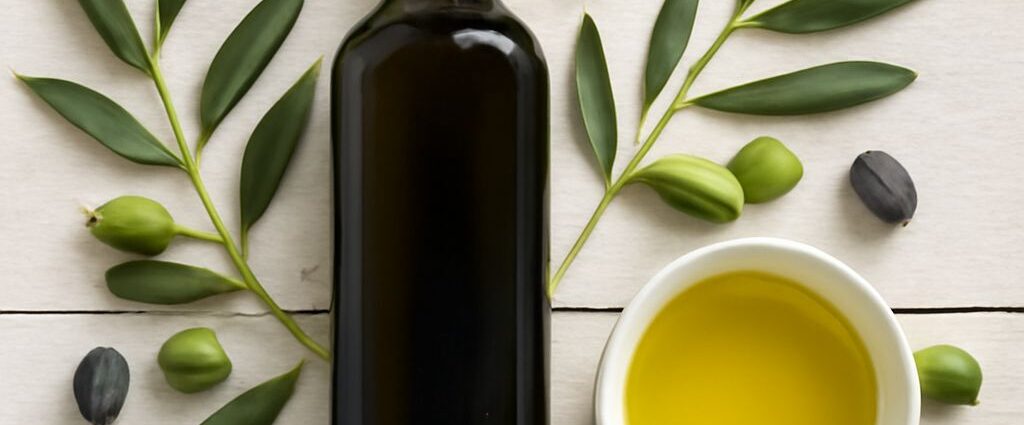
Look for harvest date, dark glass, and origin details. Fresher oil tastes brighter and performs better. Avoid bottles labeled only as “pure” or “light” if flavor matters, as those are more refined and less expressive.
Choosing the right bottle also connects to how the oil will be used. For finishing, a high-quality, flavorful option shines. For routine sautéing, a balanced, mid-range oil is often sufficient and more economical.
This decision-making process mirrors other ingredient guides: just as you would choose a specific vinegar for acidity or a certain flour for texture, olive oil selection shapes the final dish.
In recipes that call for neutral oil, substituting with extra virgin olive oil adds character. That connection helps bridge ingredient substitution with flavor design, especially in dressings, marinades, and grain dishes.
Practical Uses in Everyday Cooking
Using extra virgin olive oil for cooking covers a wide range of everyday tasks. It works for sautéing vegetables, coating proteins, roasting, and building sauces. Its ability to carry flavor makes it especially useful with garlic, herbs, and spices.
- Sautéing: Heats evenly and adds subtle flavor to vegetables, legumes, and aromatics.
- Roasting: Helps with browning and crisping while contributing richness.
- Dressings: Forms the base of vinaigrettes and emulsions.
- Finishing: A drizzle enhances soups, grains, and grilled foods.
These uses connect directly to recipe-building skills. For example, learning how oil interacts with acid in a vinaigrette helps explain balance, while roasting with oil reinforces heat transfer and caramelization concepts.
In many kitchens, cooking with extra virgin olive oil replaces multiple fats. It can stand in for butter in savory dishes or substitute for neutral oils when a touch of flavor is welcome.
This flexibility is why it bridges ingredient guides with cooking technique. One ingredient supports multiple methods, helping streamline decisions without sacrificing results.
Heat, Smoke Point, and Cooking Techniques
Heat management is often misunderstood. While extra virgin olive oils have a lower smoke point than refined oils, they are still suitable for most stovetop cooking when used properly.
For medium-heat sautéing or gentle frying, extra virgin olive oil for cooking performs reliably. Avoid overheating to the point of smoking, as this affects both flavor and stability.
Techniques matter more than strict temperature numbers. Preheating the pan, adding oil at the right moment, and controlling flame intensity all influence results.
Understanding this connects ingredient knowledge to cooking skills. Just as you adjust heat when using butter to prevent burning, you manage olive oil similarly to preserve its qualities.
When higher heat is required, some cooks blend olive oil with a more neutral, higher-smoke-point oil. This is another example of how extra virgin olive oil interacts with adjacent ingredients to meet specific cooking needs.
These choices reinforce a broader principle: ingredients are tools, and knowing their limits improves consistency and flavor.
Tips, Pairings, and Related Ingredient Ideas
Pairing olive oil thoughtfully enhances both simple and complex dishes. Robust oils complement bitter greens, beans, and grilled meats, while lighter oils suit fish, eggs, and fresh vegetables.
In cooking with extra virgin olive oil, seasoning matters. Salt, acid, and aromatics amplify its character. Lemon juice, vinegar, garlic, and herbs are natural partners.
- With bread: Use as a dip with salt or balsamic vinegar.
- With grains: Toss into rice, farro, or couscous for added richness.
- With vegetables: Drizzle before or after roasting to layer flavor.
- With proteins: Use in marinades to distribute seasoning evenly.
This section connects olive oil to adjacent ingredient guides like vinegar, herbs, and spices. Together, they form the foundation of countless recipes, from dressings to marinades.
It also links to substitution strategies. If a recipe calls for butter, swapping in extra virgin olive oil for cooking changes both texture and flavor. Understanding that trade-off helps maintain balance.
Over time, familiarity with different olive oils builds intuition. You begin to recognize when a dish needs a bold finish versus a neutral base, reinforcing the connection between ingredient choice and cooking outcome.
Next steps: Keep one versatile bottle for daily use and one more flavorful option for finishing. Practice by using olive oil across different techniques—sautéing, roasting, and dressing—while noting how flavor and heat affect results. This repetition builds confidence and sharpens your ingredient instincts.







Comments are closed, but trackbacks and pingbacks are open.