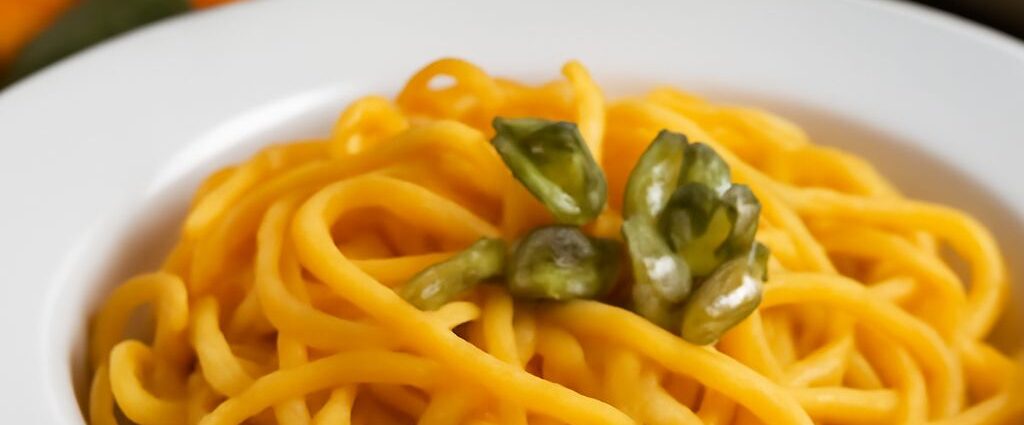
Butternut squash pasta sauce brings naturally sweet, velvety texture to everyday meals without relying on heavy cream. This simple preparation supports cautious food literacy by highlighting how one versatile ingredient can transform familiar pasta dishes into plant-forward favorites.
Learning to use butternut squash pasta sauce encourages smarter choices in the kitchen. It connects recipe ideas with thoughtful ingredient swaps that keep flavor high and preparation straightforward.
Quick Overview
Butternut squash pasta sauce blends roasted or simmered squash into a smooth base. cooks often pair it with garlic, onions, and herbs for depth. The result coats noodles evenly and delivers comfort without dairy. This approach fits plant-forward recipes while building diet-and-cautious-food-literacy because it shows how whole vegetables can replace processed sauces.
Preparation usually takes under an hour. The sauce freezes well, making weeknight dinners faster. Its mild sweetness balances spicy or savory pasta dishes, giving cooks room to experiment safely.
Why Butternut Squash Works in Pasta Sauces
Butternut squash pasta sauce succeeds because the vegetable’s dense flesh purees into a creamy consistency naturally. When roasted, its edges caramelize, adding subtle sweetness that reduces the need for extra sugar or thickeners. This quality makes it an ideal base for those exploring cautious ingredient choices.
Its high water content, once cooked down, creates body without flour or cream. Nutrients stay intact through simple cooking methods. Cooks value its neutral profile that welcomes sage, thyme, nutmeg, or chili flakes. These properties explain why butternut squash pasta sauce appears often in plant-forward recipes.
Practical Uses
Spoon butternut squash pasta sauce over rigatoni, fettuccine, or whole-grain spaghetti for an instant meal. Stir in sautéed greens or white beans for extra texture and balanced plates. A handful of toasted walnuts or pumpkin seeds adds pleasant crunch without complicating the dish.
Use the sauce as a base for baked pasta casseroles or layered vegetable lasagnas. Thin it slightly with pasta cooking water to create a lighter coating for delicate angel hair. The same preparation works as a topping for stuffed shells or a dip for roasted vegetables, stretching one batch across multiple meals.
Pair it with mushrooms, leeks, or crispy Brussels sprouts to vary flavor while staying within familiar cooking territory. These applications demonstrate how one sauce bridges everyday pasta cooking and more intentional ingredient use.
Connecting to Plant-Forward Cooking
Butternut squash pasta sauce sits at the intersection of hearty pasta meals and cautious food literacy. From a cooking perspective, it replaces heavier dairy sauces with a vegetable that delivers similar mouthfeel through natural starch and fiber. This single swap keeps recipes satisfying while encouraging cooks to read labels less and trust whole foods more.
The connection runs both ways. Pasta lovers gain a reliable plant-forward option that feels indulgent. Those focused on diet-and-cautious-food-literacy discover a forgiving ingredient that tolerates minor mistakes in seasoning or timing. Both paths meet in the saucepan, where simple techniques turn one squash into multiple servings of sauce that support varied eating styles without dramatic change.
Tips And Related Ideas
Roast butternut squash pasta sauce ingredients at 400°F until edges brown before blending for deeper flavor. Save time by using pre-cut cubes, but rinse them to remove excess starch that can make the sauce gluey. Always reserve pasta water; its starch helps the sauce cling better than plain liquid.
Balance sweetness with a splash of apple cider vinegar or lemon juice. For smoother texture, strain the puree after blending. Freeze portions in ice-cube trays for quick single-serve use later.
Related ideas include swapping half the squash for carrots or sweet potato to change color and micronutrient profile. Stir in fresh spinach at the end for gentle wilting. Try the sauce over farro or barley when moving beyond wheat pasta. These small adjustments keep the focus on practical, plant-forward cooking while expanding cautious ingredient literacy.
Bottom line: Butternut squash pasta sauce offers a reliable, creamy option that aligns recipe convenience with thoughtful ingredient awareness. Its versatility helps cooks move smoothly between traditional pasta dishes and plant-forward meals. Simple techniques and smart pairings make this sauce a steady addition to any home kitchen.







Comments are closed, but trackbacks and pingbacks are open.