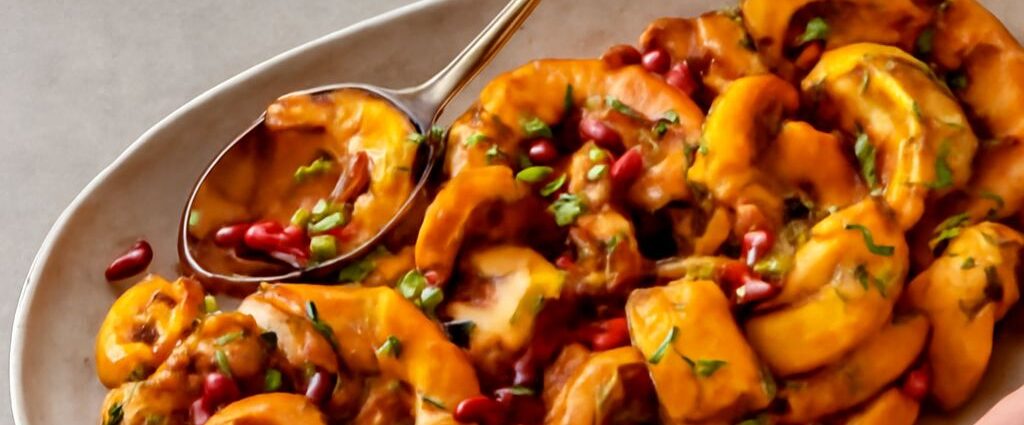
Delicata squash is a versatile and easy-to-prepare winter vegetable that shines in both simple and elaborate dishes. Unlike other squash varieties, its thin, edible skin eliminates the need for peeling, making it a convenient choice for quick meals. Learning how to cook delicata squash opens up a world of flavorful possibilities, from roasted slices to stuffed halves. Whether you’re aiming for a caramelized side dish or a hearty main, this guide covers the essentials of preparation, cooking methods, and creative uses.
For those exploring delicata squash recipes, roasting is one of the most popular techniques. It enhances the squash’s natural sweetness and creates a tender yet slightly crisp texture. Below, you’ll find step-by-step instructions for roasting delicata squash, along with tips to avoid common pitfalls and ideas for incorporating it into your meals.
What Is Delicata Squash and Why Cook It?
Delicata squash, also known as sweet potato squash, is a small, oblong winter squash with a creamy texture and mild, nutty flavor. Its thin, striped skin is edible when cooked, which sets it apart from thicker-skinned varieties like butternut or acorn squash. This makes it a time-saving option for busy cooks who want to skip the peeling step.
The squash’s natural sweetness pairs well with savory ingredients, making it a great addition to salads, grain bowls, and roasted vegetable medleys. It’s also rich in fiber, vitamin A, and potassium, aligning with diet-and-cautious-food-literacy principles. When selecting a delicata squash, look for firm, unblemished skin and a deep, even color for the best results.
How to Prep Delicata Squash for Cooking
Preparing delicata squash is straightforward, but a few key steps ensure even cooking and optimal flavor. Start by rinsing the squash under cool water to remove any dirt. Pat it dry with a clean towel.
Using a sharp chef’s knife, carefully slice off the stem and blossom ends. Stand the squash upright on a cutting board and cut it in half lengthwise. Scoop out the seeds and stringy pulp with a spoon—these can be discarded or saved for roasting separately, similar to pumpkin seeds.
For most delicata squash recipes, you’ll want to slice the halves into ½-inch-thick half-moons. If the recipe calls for stuffed squash, leave the halves intact. The edible skin means no peeling is necessary, but you can trim any tough spots if needed.
Step-by-Step: How to Roast Delicata Squash (K3)
Roasting is one of the simplest and most effective ways to cook delicata squash. Here’s how to do it:
- Preheat the oven to 400°F (200°C) and line a baking sheet with parchment paper or a silicone mat.
- Toss the squash with 1–2 tablespoons of olive oil, ensuring each slice is lightly coated. Season with salt, pepper, and any desired spices, such as cinnamon, smoked paprika, or garlic powder.
- Arrange the slices in a single layer on the baking sheet, avoiding overcrowding to promote even browning.
- Roast for 20–25 minutes, flipping the slices halfway through, until the edges are golden and the flesh is tender when pierced with a fork.
- Serve immediately or let cool slightly before incorporating into other dishes.
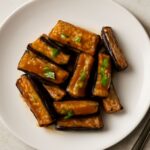
For extra caramelization, broil the squash for 1–2 minutes at the end of cooking, but watch closely to prevent burning. This method works well for both simple sides and more complex delicata squash recipes.
Common Mistakes When Cooking Delicata Squash
Even with its simplicity, a few missteps can affect the outcome of your dish. Here’s what to avoid:
- Overcrowding the pan: Too many slices in one layer steams the squash instead of roasting it. Use multiple pans if needed.
- Underseasoning: Delicata squash benefits from bold flavors. Don’t skip the salt or spices, as they balance its natural sweetness.
- Skipping the flip: Turning the slices halfway ensures even browning and prevents soggy edges.
- Overcooking: Check for doneness at the 20-minute mark. Overcooked squash can become mushy and lose its texture.
Another common issue is using dull knives, which can make slicing difficult and unsafe. A sharp knife ensures clean cuts and reduces the risk of accidents.
Best Uses and Variations for Cooked Delicata Squash
Once you’ve mastered how to cook delicata squash, experiment with these serving ideas:
- Roasted slices: Serve as a side dish with a drizzle of maple syrup or tahini for added richness.
- Stuffed halves: Fill roasted halves with quinoa, cranberries, and nuts for a festive main course.
- Salads: Add cooled roasted squash to grain salads or kale mixes for a sweet, hearty element.
- Soups: Blend cooked squash into soups for a creamy, naturally sweet base.
- Pasta dishes: Toss roasted squash with pasta, sage, and Parmesan for a comforting meal.
For a twist on roasting delicata squash, try air-frying the slices. Cook at 375°F (190°C) for 8–10 minutes, shaking the basket halfway, for a quicker, crispier result.
Frequently Asked Questions About K1
Can you eat the skin of delicata squash?
Yes, the skin is edible and becomes tender when cooked. This is one of the squash’s biggest advantages, as it eliminates the need for peeling.
How do you store leftover cooked delicata squash?
Store cooled squash in an airtight container in the refrigerator for up to 4 days. Reheat in the oven or microwave until warmed through.
Is delicata squash suitable for freezing?
Yes, but it’s best to blanch the slices in boiling water for 2 minutes before freezing to preserve texture. Freeze in a single layer on a tray before transferring to a bag or container.
What’s the best way to cut delicata squash?
Use a sharp chef’s knife to slice off the ends, then cut the squash in half lengthwise. Scoop out the seeds and slice into half-moons or leave halves intact for stuffing.
Related Ingredient Guides and Recipes
For more inspiration, explore these related guides:
- How to Cook Butternut Squash: Roasting and Beyond
- Easy Acorn Squash Recipes for Weeknight Meals
- The Best Winter Squash Varieties and How to Use Them
- Healthy Roasted Vegetable Side Dishes
Mastering how to cook delicata squash is a small but rewarding step in expanding your culinary skills. With its ease of preparation and adaptability, it’s a vegetable worth keeping in your kitchen rotation.






Comments are closed, but trackbacks and pingbacks are open.