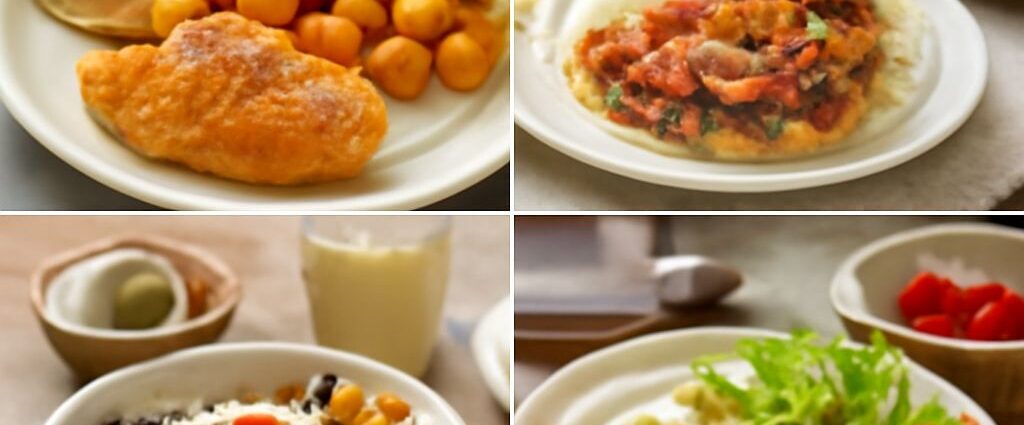
Making the shift to cooking without dairy often starts with one simple question: how do I keep meals satisfying? Whether you are avoiding dairy for digestive comfort, ethical reasons, or personal preference, the goal is the same—flavorful food that doesn’t feel like a compromise. This guide serves as your entry point to dairy free meals that work for real life, from quick weeknight dinners to weekend batch cooking. You will find dairy free dinner ideas that rely on pantry staples, learn how to build gluten free dairy free meals without extra fuss, and discover why dairy free meal prep can save both time and money. Breakfast becomes simpler with dairy free breakfast bowls and smoothies, while dairy free desserts prove that creamy, indulgent treats are still on the table. Every suggestion here stays rooted in ingredients, swaps, and cooking techniques—nothing clinical, nothing beyond the kitchen.
This hub is part of Vegetarian And Vegan Essentials, specifically within diet-and-cautious-food-literacy. Here the focus is practical knowledge: which plant-based milks behave best in sauces, how to replace butter without losing texture, and why certain cheeses melt better than others. You will leave with a clear roadmap of subtopics and, at the end, a list of supporting articles that dive deeper into each area. No medical claims, no lifestyle drift—just confident cooking with dairy free ingredients.
What To Know
Dairy free cooking is not about subtracting ingredients; it is about adding new ones that bring richness, acidity, or creaminess in different ways. The first thing to understand is that “dairy free” is not the same as “milk-free” in the allergy sense—here we focus on avoiding all milk-based products, including cheese, cream, butter, yogurt, and casein-laden powders. For home cooks, the biggest shift is learning which substitutes work for which applications.
Cashew cream, for example, behaves almost exactly like heavy cream when soaked and blended. Coconut milk adds body to curries but can impart a slight sweetness that needs balancing. Nutritional yeast delivers a savory, cheesy note without any actual dairy. These are the building blocks of satisfying dairy free meals that do not leave you feeling deprived. At the same time, be aware that many store-bought “dairy free” products contain gums, starches, or added sugars to mimic texture. Reading labels becomes a habit, especially when you also need dairy free dinner ideas that avoid hidden dairy in broths, sauces, or seasoning blends.
Another core principle: dairy free does not automatically mean healthy or whole-food based. You can make a rich, creamy pasta sauce with blended cashews and olive oil, or you can rely on processed vegan cheese shreds. Both are valid, but understanding the difference gives you control over texture and nutrition. When planning gluten free dairy free meals, check that thickeners like wheat flour are also swapped—cornstarch, arrowroot, or rice flour are reliable alternatives. And if you are new to dairy free meal prep, start with one meal at a time. A batch of dairy free chili, a creamy lentil soup, or a sheet pan of roasted vegetables with tahini dressing can carry you through several lunches. For dairy free breakfast, overnight oats made with oat milk, chia pudding with coconut cream, or scrambled tofu with nutritional yeast all come together in minutes. Even dairy free desserts like coconut milk panna cotta or avocado chocolate mousse rely on straightforward ingredient swaps—no special equipment required.
Finally, remember that dairy free cooking often benefits from extra seasoning. Without the fat and salt of cheese, you may need to bump up acid (lemon juice, vinegar), umami (miso, soy sauce, tomato paste), or spice. Taste as you go, and don’t be afraid to adjust.
Practical Steps Or Context
Start by stocking a dairy free pantry that covers the most common needs. A short list includes: unsweetened almond milk or oat milk for cereal and baking, full-fat coconut milk for creamy soups and curries, raw cashews for sauces and “cheese” spreads, nutritional yeast for savory dishes, coconut oil or vegan butter for sautéing and baking, and a few types of dairy free yogurt (coconut, soy, or almond based). With these on hand, you can handle most recipes without a special trip to the store.
When you are looking for dairy free meals that come together quickly, think in templates: a grain bowl with roasted vegetables, a protein (beans, lentils, tofu), and a creamy dressing made from tahini or blended silken tofu. Another template is a one-pot pasta where you cook the pasta in vegetable broth and then stir in cashew cream and sautéed mushrooms. These patterns remove the guesswork and make dairy free dinner ideas practical for any night. For gluten free dairy free meals, replace pasta with rice noodles, quinoa, or gluten free pasta, and thicken sauces with cornstarch rather than flour.
Meal prep also benefits from a few batch-cooking strategies. Cook a large pot of lentils or chickpeas, roast a tray of vegetables, and make one sauce (like a simple cashew cream or a sunflower seed pesto). Then assemble different bowls throughout the week. This is the essence of smart dairy free meal prep: you are not cooking every night but still eating varied, satisfying food. For dairy free breakfast, prep a container of overnight oats or a batch of savory breakfast muffins made with almond flour and flax eggs. For dairy free desserts, keep a jar of date-sweetened chocolate sauce in the fridge to pour over banana ice cream or coconut yogurt.
When adapting a recipe that originally uses dairy, ask yourself three questions: is the dairy providing fat, liquid, or structure? For fat, use coconut oil, olive oil, or vegan butter. For liquid, use plant milk or vegetable broth. For structure (as in cakes or custards), use mashed banana, applesauce, or a starch slurry. This simple framework turns any recipe into a dairy free possibility without needing a separate cookbook.
Common Variations
Dairy free cooking spans many culinary traditions and dietary needs. One common variation is the move toward whole-food, minimally processed ingredients. Instead of store-bought vegan cheese, you might make a quick “cheese” sauce from boiled potatoes and carrots blended with nutritional yeast and lemon juice. Another variation involves nut-free options for those with allergies: sunflower seed cream, oat cream, or silken tofu can replace cashew cream in many recipes.
Another frequent request is for egg-free and dairy free combined meals, especially in baking. For that, flax eggs (ground flaxseed mixed with water) or chia eggs work well. In savory dishes, aquafaba (the liquid from canned chickpeas) can replace egg whites for meringues or light mousses that are also dairy free. When a recipe calls for both dairy and gluten, you can often substitute gluten free all-purpose flour blends and one of the cream alternatives mentioned earlier.
There is also a growing interest in fermented dairy free options, like coconut milk kefir or cashew-based yogurt with live cultures. These bring probiotics to the table without any milk. For dairy free meals that mimic traditional comfort food, think of mac and “cheese” made with butternut squash sauce, or lasagna layered with tofu ricotta and spinach. Gluten free dairy free meals often rely on polenta, quinoa, or jackfruit as the base. Even dairy free desserts have many variations: coconut milk ice cream, banana “nice” cream, avocado chocolate pudding, and baked fruit crumbles with oat flour topping. Each variation keeps the focus on ingredients and technique, not on deprivation.
Seasonal variations also matter. In summer, lighter sauces based on fresh herbs and olive oil work beautifully. In winter, a creamy potato leek soup made with coconut milk or a thick lentil stew hits the spot. Adjusting herbs and spices—like adding smoked paprika, cumin, or fresh basil—keeps the repertoire fresh.
Mistakes To Avoid
Even experienced cooks can stumble when transitioning to dairy free cooking. One common mistake is assuming that all plant milks behave the same in hot applications. Almond milk can separate when added to acidic sauces; oat milk is more stable but can become slimy if boiled too long. Coconut milk is rich but can overpower delicate flavors. Always heat plant milks gently and add a stabilizer (like a teaspoon of cornstarch slurry) if needed.
Another mistake is underestimating the importance of salt and fat. Dairy products are naturally high in both, so when you remove them, the dish can taste flat. You may need to add a pinch more salt, a drizzle of good olive oil, or a splash of vinegar to restore balance. Also, avoid using too many processed vegan cheese products at once. They can be useful for melting on pizza or burgers, but relying on them for every meal often leads to a heavy, greasy texture. Instead, try a homemade nut-based sauce for a cleaner result.
For dairy free meal prep, a frequent error is not accounting for moisture changes. Cashew cream thickens as it sits in the fridge, so thin it with a little water or broth before reheating. Vegetables release water, so if you prep a stir-fry in advance, keep the sauce separate until serving. For dairy free breakfast, avoid using only water for oatmeal or porridge; use a plant milk for creamier results. For dairy free desserts, do not skip chilling time. Coconut milk panna cotta or chia pudding need at least four hours to set properly. Finally, when you search for dairy free dinner ideas, be wary of recipes that claim to be “easy” but call for a dozen specialty ingredients. Stick to recipes that use pantry-friendly swaps and clear instructions.
Related Articles
This hub is the starting point for exploring dairy free cooking in depth. To continue learning, the following articles provide focused guidance on specific subtopics. Read them in any order, but match your immediate need:
- Dairy Free Milk Swaps: A Guide for Cooking and Baking – Explains which plant milk works best for sauces, baking, and drinking.
- How to Make Dairy Free Cheese at Home – Covers nut-based, tofu-based, and root-vegetable cheese sauces and slabs.
- Creamy Dairy Free Sauces and Dressings – Recipes for cashew cream, tahini dressing, and silken tofu sauce.
- Dairy Free Meal Prep for Busy Weekdays – Full batch-cooking plans and storage tips.
- Gluten Free Dairy Free Baking Basics – Substitutions for flour, butter, and milk in cakes, cookies, and breads.
- Dairy Free Desserts That Actually Satisfy – Focuses on whole-food sweet treats without processed creamers.
Each of these articles belongs to the same Vegetarian And Vegan Essentials branch and reinforces the diet-and-cautious-food-literacy approach. Start with the topic that feels most pressing, then circle back to others as your confidence grows. The key is to treat dairy free cooking as an expansion of your culinary skills, not a restriction.



Comments are closed, but trackbacks and pingbacks are open.