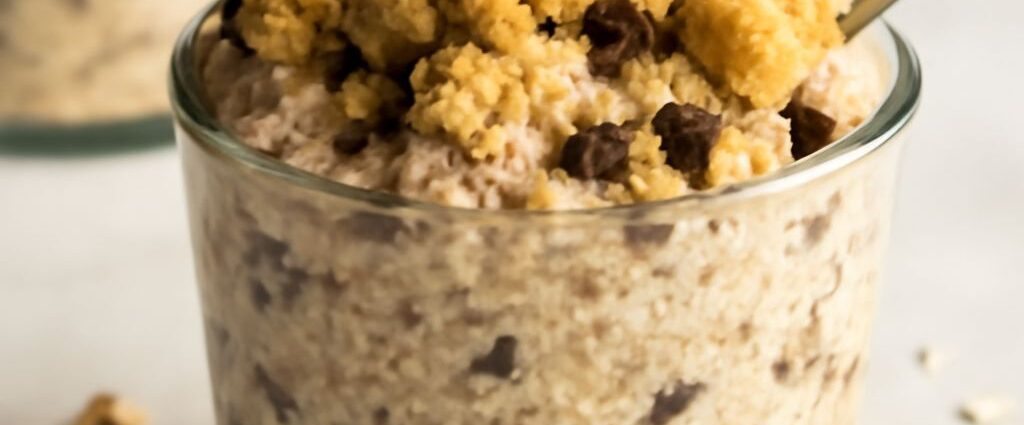
Start with flour specifically labeled ready to eat, then choose chocolate chip, sugar cookie, or peanut butter. Each plant-based cookie dough recipe below makes a small batch you can enjoy without baking, with simple adjustments for a soft scoop or a firmer bite.
Edible cookie dough that is vegan needs more than an egg-free ingredient list. Ordinary flour is a raw ingredient, so use the ready-to-eat kind and clean utensils. Then grab a spoon: the oven can have the evening off.
Vegan Edible Cookie Dough: What Makes It Ready to Eat?
Conventional flour can contain harmful bacteria, and leaving eggs out of a baking recipe does not address that risk. For these mixtures, buy flour whose package explicitly says it is ready to eat or safe to consume without cooking. Check the label even if a product is described as heat-treated: its intended use needs to include eating without further cooking.
The FDA advises against heat-treating flour at home, because home methods may not reliably kill harmful bacteria. If you cannot find ready-to-eat flour, save these recipes for another day rather than substituting ordinary flour. Keep the finished mixture away from raw flour and wash hands, bowls, and counters after handling raw ingredients.
Choose ready-to-eat mix-ins too. Check chocolate chips, sprinkles, and plant milk for dairy or other animal ingredients if you want a fully vegan result. Use clean measuring spoons and a clean bowl for each batch. These mixtures are designed to be eaten as dough; they do not contain the leavening and proportions intended for baked cookies.
A few measuring notes
Each vegan cookie dough recipe below yields about 1 to 1 1/2 cups, or approximately four small servings. Preparation takes about 10 minutes, plus optional chilling. Spoon the ready-to-eat flour into a dry measuring cup and level it without packing. Too much flour can make the mixture crumbly before you add a single chip.
Use softened vegan butter, not melted butter, for the first two mixtures. It should yield when pressed but still hold its shape. Unsweetened plant milk gives you control over sweetness; add it gradually, since brands of flour and butter vary. A fork and a small bowl are enough equipment for all three recipes.
Chocolate chip: rich and familiar
This vegan chocolate chip cookie dough has brown sugar for a gentle caramel flavor and enough vanilla to make the chocolate taste at home. Mini chips distribute well through small spoonfuls; regular chips work if that is what you have. This chocolate chip dough is vegan and egg-free, so dairy-free chips complete the combination.
Ingredients
- 1/4 cup vegan butter, softened
- 1/4 cup packed light brown sugar
- 1 tablespoon granulated sugar
- 1/2 teaspoon vanilla extract
- 1/8 teaspoon fine salt
- 3/4 cup ready-to-eat all-purpose flour
- 1 to 2 tablespoons unsweetened plant milk
- 1/4 cup dairy-free chocolate chips
Method
- Beat the softened butter, brown sugar, and granulated sugar in a bowl until well combined and creamy. Stir in the vanilla and salt.
- Add the ready-to-eat flour and mix until no dry pockets remain. The mixture may look sandy at first.
- Stir in 1 tablespoon plant milk. Add the remaining milk a teaspoon at a time if needed, until the dough holds together when pressed and is soft enough to scoop.
- Fold in the chocolate chips. Eat immediately, or cover and chill for 20 minutes for a firmer texture.
This eggless chocolate chip cookie dough should be cohesive without feeling greasy. If chilled until very firm, let it stand briefly before scooping. A pinch of flaky salt on top is a pleasant contrast to the sweet chips.
Sugar cookie: vanilla and a little crunch
The flavor here is gentle and buttery, with a simple vanilla finish. A spoonful of vegan sprinkles adds color; leave them out if you prefer the dough plain. Check the label, since some sprinkles contain confectioner’s glaze or other animal-derived ingredients.
Ingredients
- 1/4 cup vegan butter, softened
- 1/3 cup granulated sugar
- 3/4 teaspoon vanilla extract
- 1/8 teaspoon fine salt
- 3/4 cup ready-to-eat all-purpose flour
- 1 to 2 tablespoons unsweetened plant milk
- 2 tablespoons vegan sprinkles, optional
Method
- Cream the butter and sugar in a bowl until the mixture looks lighter and evenly combined. Some sugar crystals will remain, giving the dough a delicate crunch.
- Stir in the vanilla and salt, then mix in the ready-to-eat flour.
- Add 1 tablespoon plant milk and stir. Add more a teaspoon at a time until the dough comes together and feels soft, like a thick frosting that can hold its shape.
- Fold in the sprinkles, if using. Serve at once or cover and chill for 20 minutes. This sugar cookie dough without eggs is ready to spoon straight from the bowl.
For eggless sugar cookie dough with a softer bite, leave it at room temperature for a few minutes after chilling. A drop of almond extract can add a bakery-style note, but start with just one drop: it is surprisingly assertive for such a small guest.
Peanut butter: nutty and satisfying
This eggless peanut butter cookie dough gets its body from peanut butter as well as flour. Use a smooth, well-stirred peanut butter. If yours has salt added, taste before deciding whether the optional pinch is needed.
Ingredients
- 1/2 cup smooth peanut butter
- 3 tablespoons packed light brown sugar
- 1/2 teaspoon vanilla extract
- 1/4 cup ready-to-eat all-purpose flour
- 1 to 2 tablespoons unsweetened plant milk
- Pinch of fine salt, optional
- 2 tablespoons dairy-free chocolate chips, optional
Method
- Stir the peanut butter, brown sugar, and vanilla until smooth. Mix in the ready-to-eat flour.
- Add 1 tablespoon plant milk and stir thoroughly. Add more a teaspoon at a time until the mixture is soft and scoopable. Peanut butters vary considerably in thickness, so you may not need all the milk.
- Taste and add the optional salt if the flavor needs it. Fold in the optional chocolate chips. Serve immediately or cover and chill for 20 minutes.
If the peanut butter is very fluid, start with less milk and give the flour a minute to hydrate. For a thicker peanut butter, a little extra milk can bring the mixture together. The finished dough should hold a mound on a spoon without crumbling apart.
Mix-ins, serving, and storage
Once you have a texture you like, fold in additions a tablespoon at a time. These recipes for vegan cookie dough leave room for a few personal touches. Finely chopped roasted nuts bring crunch, while dairy-free chocolate chunks create larger pockets of chocolate. Use ready-to-eat additions and check their ingredient labels. Too many large pieces can make the dough difficult to scoop, so stop when the mix-ins are distributed rather than packed tightly together.
Serve small scoops of the edible plant-based cookie dough in bowls, roll chilled dough into bite-size balls, or sprinkle little pieces over dairy-free ice cream. For a sundae, make the pieces small enough to eat comfortably with a spoon. Each vegan dough recipe makes enough for a few modest toppings. The chocolate chip version also works with sliced strawberries; the vanilla version is good alongside fresh berries. Keep fruit separate until serving so it does not add excess moisture to the dough.
Refrigerate leftover vegan edible cookie dough promptly in a covered container at 40°F or below and use within three to four days. Use a clean spoon for each serving. The fat firms up in the refrigerator, so give a cold portion a few minutes to soften before deciding whether it needs more liquid. Follow any shorter storage directions on the packages of perishable ingredients.
For longer storage, portion your edible cookie dough made without animal ingredients into small balls, freeze them on a lined tray until firm, and transfer to a freezer container. Label it with the date and use within about two months for best quality. Thaw portions in the refrigerator; the texture may be a little firmer after freezing. Keep the container closed to limit freezer odors.
A vegan recipe for cookie dough meant to be baked is a different formula. Baking changes the texture and relies on the right balance of ingredients, often including a leavener. For crisp-edged or chewy baked cookies, choose a recipe developed for the oven and follow its baking instructions. Do not taste that dough if it contains ordinary raw flour, even when it has no eggs.
Fix the texture before serving
If a spoonful breaks into dry crumbs or leaves loose flour in the bowl, add plant milk 1 teaspoon at a time, stirring thoroughly after each addition. Let it sit for a minute before adding more: the flour needs a little time to absorb the liquid. If the dough is too soft to hold a scoop, chill it for 20 minutes first. Still loose? Stir in ready-to-eat flour 1 teaspoon at a time until it holds together. Taste and adjust with a small pinch of salt or a little sugar if the extra flour has muted the flavor.









Comments are closed, but trackbacks and pingbacks are open.