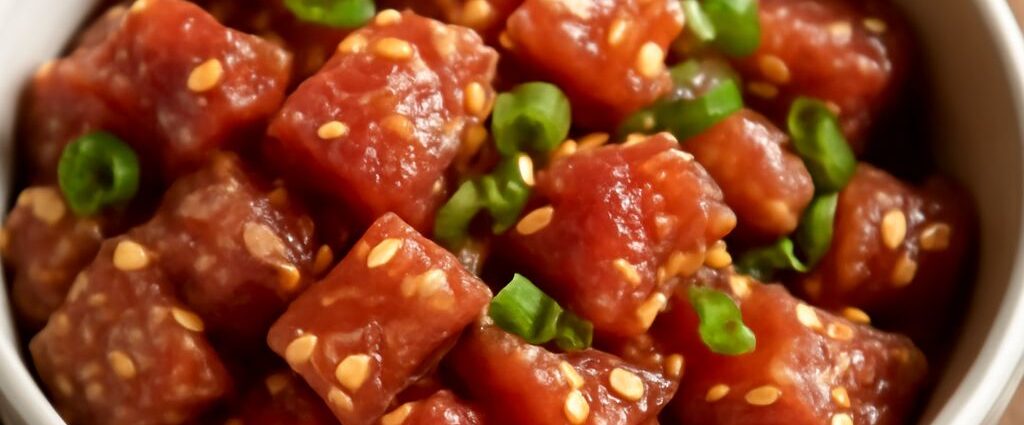
Tuna tartare is a modern classic—fresh, light, and bursting with flavor. This dish, once reserved for upscale restaurants, can be made easily at home with a few quality ingredients and some simple techniques. Whether you’re looking for a show-stopping appetizer or a healthy, satisfying meal, learning how to make tuna tartare will elevate your culinary repertoire. Here, you’ll find a step-by-step tuna tartare recipe, tips on selecting the best yellowfin tuna, and serving ideas to impress your guests.
What Is Tuna Tartare?
Tuna tartare is a raw fish dish made from finely diced sushi-grade tuna, often seasoned with a bright, tangy dressing and combined with fresh herbs, aromatics, and sometimes creamy or spicy elements. Inspired by French steak tartare, tuna tartare emphasizes clean flavors and delicate textures, allowing the freshness of the fish to take center stage. It rose to prominence in the 1980s and 1990s as part of a movement toward lighter, global cuisine, often appearing on menus as a refined starter.
The typical preparation uses yellowfin tuna, also known as ahi, prized for its mild flavor and meaty, deep-red appearance. Tuna tartare recipes can vary widely, including additions like avocado, cucumber, sesame oil, soy sauce, citrus juice, chives, shallots, or even spicy mayo. The key is to use ingredients that enhance rather than overshadow the delicate taste of the raw fish.
Unlike ceviche, which relies on acid to cure the fish, tartare is seasoned just before serving so the texture stays silky. This dish is most often served chilled, accompanied by thin crackers, toasted bread, or spooned over cucumber slices as a fresh, elegant bite.
Ingredients for Tuna Tartare
Using high-quality, fresh ingredients is essential for tuna tartare. The following recipe makes four appetizer servings. Feel free to adjust flavors or proportions to suit your taste.
- 8 ounces sushi-grade yellowfin tuna (ahi), well-chilled
- 2 teaspoons soy sauce (or tamari for gluten-free)
- 1 1/2 teaspoons toasted sesame oil
- 1 tablespoon fresh lime juice (or lemon juice)
- 1 teaspoon finely grated fresh ginger
- 1 tablespoon finely chopped shallot (or red onion)
- 1 tablespoon capers, drained and chopped
- 1 tablespoon chopped chives (plus more for garnish)
- 1/2 small ripe avocado, diced
- 1 teaspoon sriracha or chili paste (optional, for heat)
- 1 teaspoon black or white sesame seeds (for garnish)
- Freshly ground black pepper, to taste
- Sea salt, as needed
- Accompaniments: Thinly sliced cucumber, crispy wonton chips, toasted baguette slices, or crackers
For traditional tuna tartare, the foundation is always excellent yellowfin tuna. Soy sauce and sesame oil provide savory depth and nutty aroma, while citrus juice brightens the flavors. Shallots, ginger, and capers deliver a punch of acidity and freshness. Avocado adds creamy texture, and chives or scallions bring a mild onion note. Customize with sriracha for a spicy kick or swap in different herbs or flavorings to match your palate.
Always use sushi-grade or sashimi-grade tuna, purchased from a trusted fishmonger or reputable market. This ensures the fish is handled and stored with food safety in mind and is appropriate for raw consumption.
How to Make Tuna Tartare
For the best result, prepare tuna tartare just before serving. Work with cold ingredients, use a sharp knife, and handle the fish gently to preserve its freshness and texture. Here’s a straightforward, step-by-step method for classic tuna tartare.
-
Dice the tuna:
- Pat the yellowfin tuna dry with paper towels. Place it on a cutting board and use a sharp chef’s knife to trim away any skin, sinew, or dark spots.
- Cut the tuna into 1/4-inch cubes. Work quickly and keep the pieces uniform for the best mouthfeel. Transfer the diced tuna to a chilled bowl set over ice if your kitchen is warm.
-
Prepare the dressing:
- In a small bowl, whisk together soy sauce, sesame oil, lime juice, grated ginger, and sriracha (if using). Taste and adjust the seasoning—add more lime for acidity or a touch more soy for saltiness as desired.
-
Mix the tartare:
- Add the diced shallot, chopped capers, and chives to the tuna. Gently fold in the dressing until everything is evenly coated. Stir in the avocado cubes last, handling them carefully to keep their shape.
- Season with freshly ground black pepper and a pinch of sea salt. Taste the mixture and adjust if needed, balancing umami, acidity, and heat.
-
Chill and serve:
- For optimal flavor and texture, serve the tuna tartare immediately while it’s cold and fresh.
- To serve, use a ring mold or spoon the mixture onto plates, forming a neat mound. Sprinkle with sesame seeds and extra chives for a professional finish.
If you want to prepare ahead, dice and chill the tuna and prepare all the other ingredients, but wait to mix them until just before serving. Too much time in the dressing can change the texture of the tuna and cause the avocado to brown. If you need to transport the dish, keep the components separate and combine them at your destination.
Follow these cues for success: the tuna should look glistening and ruby-red, not mushy or dull. The tartare mixture should be well-seasoned, balanced, and vibrant on the plate. If the mixture weeps liquid or looks gray, the tuna is overworked or not fresh enough. Always discard any fish that smells off or has a slimy texture.
Choosing Yellowfin Tuna
Yellowfin tuna, also called ahi, is the classic choice for tuna tartare because of its rich, mild flavor, firm texture, and beautiful color. Here’s how to select and source the best fish for raw preparations:
Look for sushi-grade or sashimi-grade labels. Only purchase tuna from a supplier that understands food safety for raw consumption. Sushi-grade typically means the fish has been frozen to kill parasites and handled with strict hygiene.
Inspect the color and texture. Fresh yellowfin tuna should be deep red or pinkish-red, not brown or gray. It should look moist and glossy but never wet or slimy. The flesh should feel firm and springy to the touch, with no off odors. If possible, buy whole loin pieces and slice them yourself for the cleanest cut.
Ask your fishmonger questions. Where did the tuna come from? Was it previously frozen, or is it fresh? When was it caught or processed? How was it handled? Reputable suppliers will answer these questions and often display harvest dates or source information.
If yellowfin tuna isn’t available, bigeye or bluefin can work, but these tend to be more expensive and sometimes have a stronger flavor. Avoid albacore for tartare, as the texture is more delicate and the color less appealing. Never use canned tuna for tartare—it’s cooked and will not yield the correct texture or taste.
Buy the tuna as close as possible to the time you plan to make the tartare, keep it cold, and transport it on ice if needed. Prepare and consume the tartare within 24 hours of purchase for the best quality and safety. If you have leftover tuna, cook it rather than serving it raw again.
Serving and Presentation Tips
Presentation is key to transforming tuna tartare from simple to stunning. Here are some techniques and ideas to help you plate like a pro and enhance your guests’ experience:
- Use a ring mold to shape the tartare into neat, compact rounds. Lightly pack the mixture, then lift the mold away for a clean look. If you don’t have a mold, use an empty food can with both ends removed.
- Layer with avocado or cucumber slices to add color, texture, and flavor contrast. Fan slices on the plate, or create a base of mashed avocado, then top with tartare.
- Garnish with sesame seeds, microgreens, or thinly sliced scallions for visual interest and fresh taste. Edible flowers or a few drops of chili oil can add a special touch.
- Serve with crispy elements like wonton chips, taro chips, or toasted baguette. The crunch balances the soft texture of the fish.
- Offer individual spoons or cucumber rounds for passed appetizers at parties, making the dish easy to eat one-handed.
Elevate the experience by pairing tuna tartare with a crisp white wine or chilled sake. A dry rosé or sparkling wine also complements the flavors. For a more substantial meal, serve the tartare atop a bowl of seasoned sushi rice, or alongside a simple salad of shaved fennel and citrus.
If you’re entertaining, assemble the tartare in advance and store it, covered, over ice in the refrigerator. Wait to add the dressing and avocado until just before serving for best results. Always use chilled plates and utensils to keep the dish at a safe temperature and maintain the delicate texture of the tuna.
Mastering tuna tartare at home means having a versatile, crowd-pleasing recipe in your back pocket. With the right ingredients, careful technique, and a touch of creativity, your version of this iconic dish will rival any restaurant’s—and delight anyone who tastes it.










Comments are closed, but trackbacks and pingbacks are open.