
Creating yogurt at home can be a rewarding and delicious experience, especially when you explore dairy-free options. Whether you’re lactose intolerant, vegan, or just looking to try something new, learning how to make yogurt at home can offer a healthier alternative to store-bought options. This guide will walk you through a simple and effective yogurt recipe that ensures creamy, homemade yogurt every time.
Understanding Dairy-Free Yogurt
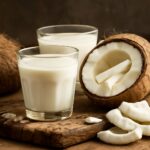
Dairy-free yogurt is made without traditional cow’s milk, using alternatives like almond, coconut, or soy milk. These plant-based options provide similar textures and flavors while accommodating dietary restrictions. The fermentation process is the same as with dairy milk, involving live cultures that turn the milk into yogurt.
Essential Ingredients
- Plant-Based Milk: Choose unsweetened almond, coconut, or soy milk. Ensure there are no additives that might hinder fermentation.
- Probiotic Cultures: Use a starter culture or a few tablespoons of store-bought dairy-free yogurt with live cultures.
- Thickener (optional): Agar-agar or tapioca starch can help achieve a creamier texture.
- Sweetener (optional): Maple syrup or honey can be added for flavor.
Step-by-Step Yogurt Making Process
- Heat the Milk: Pour 4 cups of your chosen plant-based milk into a saucepan and heat it to 110°F (43°C). Stir occasionally to avoid scorching.
- Add the Thickener: If using, dissolve your chosen thickener in a small amount of warm water and mix it into the milk.
- Introduce the Cultures: Allow the milk to cool slightly, then stir in the probiotic cultures or yogurt starter.
- Incubate the Yogurt: Pour the mixture into a clean jar and cover it. Place it in a warm spot, such as an oven with the light on, for 8-12 hours.
- Check for Consistency: After incubation, the yogurt should have thickened and have a tangy flavor. If desired, refrigerate it for a few hours to further firm up.
Tips for Perfect Homemade Yogurt
- Consistency Control: Adjust the amount of thickener based on your texture preference.
- Flavor Additions: Stir in vanilla extract or fruit purees before refrigerating for added flavor.
- Temperature Maintenance: Use a thermometer to ensure the milk stays at the right temperature for fermentation.
Common Mistakes to Avoid
- Overheating the Milk: Exceeding 110°F can kill the beneficial bacteria needed for fermentation.
- Adding Cultures to Hot Milk: Ensure the milk is cool enough to avoid destroying the cultures.
- Impatience with Incubation: Rushing the process can result in runny yogurt.







Comments are closed, but trackbacks and pingbacks are open.