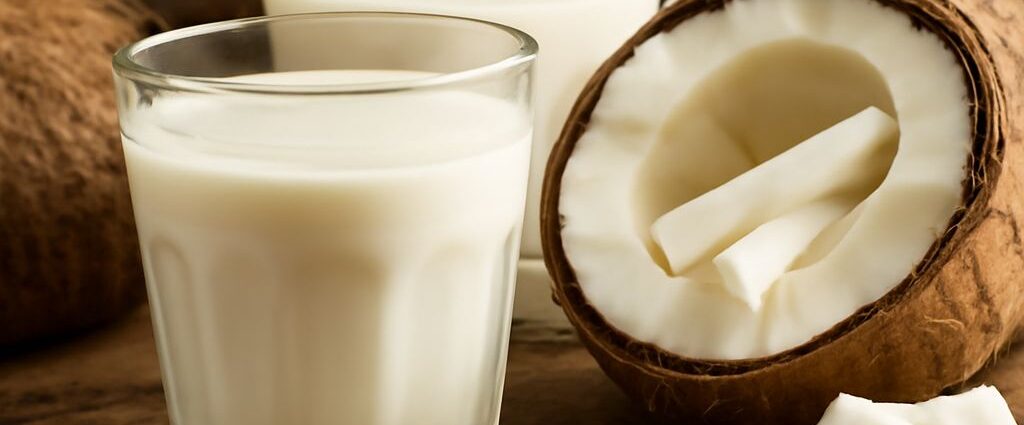
Choose coconut water when you want a light, refreshing liquid; choose canned coconut milk when a sauce needs body and richness. They come from the same fruit but have different textures, flavors, and uses. The distinction between coconut milk and water matters most when a recipe depends on the fat and thickness of the milk.
A carton of coconut milk beverage adds one more choice. It is generally thinner than canned cooking milk and is designed for drinking or pouring over cereal. Compare the package and the recipe before reaching for either: a smoothie can be forgiving, while a curry may change dramatically if its creamy base becomes a clear liquid.
Coconut Milk vs Water: The Quick Comparison
Coconut water is the liquid found inside a coconut. Coconut milk is made by combining coconut flesh with water and extracting the liquid. Canned coconut milk for cooking is opaque and creamy; coconut water is usually clear to slightly cloudy and pours like water. A coconut beverage in a carton is also opaque, but is typically much thinner than the canned product.
The flavor follows the texture. Coconut water tastes lightly sweet and subtly nutty, although packaged versions vary. Canned milk has a fuller coconut flavor and a rich mouthfeel. A carton beverage is milder and may contain added sugar, flavorings, or nutrients. “Unsweetened” is useful to look for in both drinks and savory cooking.
Choosing coconut milk vs water from a young coconut depends on the dish: the milk gives a curry richness, while the water keeps a fruit cooler light. Neither label alone tells you how sweet or thick a particular brand will be, so read the description as well as the ingredient list.
Where each liquid comes from
Inside a young coconut, there is naturally occurring liquid surrounded by a layer of flesh. That liquid is coconut water. It can be packaged plain or with added flavors or sweeteners. Check the label for plain coconut water rather than coconut-flavored water.
Coconut milk starts with grated or processed coconut flesh. The flesh is mixed or pressed with water, and the resulting liquid is strained or otherwise processed to make an opaque emulsion. Different proportions help explain why canned milk and carton beverages vary in consistency.
What’s the difference between coconut milk and coconut water at the most basic level? One is extracted from coconut flesh, while the other is the liquid inside the fruit. Both are plant-derived.
Canned milk, carton beverage, and coconut cream
Canned coconut milk is usually sold in the shelf-stable cooking aisle. Full-fat versions are useful when a recipe needs a creamy sauce, soup, or custard-like texture. Light canned milk contains less fat and is often thinner; it can work in many soups but may produce a less rich sauce. Read the label rather than assuming all cans have identical ingredients or consistency.
Carton coconut beverage may be sold chilled or shelf-stable alongside other plant-based drinks. It is generally more diluted and intended for cereal, coffee, or drinking. Some versions are sweetened or flavored, and some are fortified. It can be pleasant in oatmeal or a smoothie, but a cup of it will not normally give a curry the same body as a cup of full-fat canned milk.
Coconut cream is a thicker product with a higher proportion of coconut solids and fat than typical coconut milk. It can add richness to a sauce or dessert. Cream of coconut is a different, sweetened product commonly used in drinks and desserts. Do not choose it for a savory curry expecting plain coconut cream: the added sugar will change the dish.
A can of cooking milk can separate into a firm white layer and thinner liquid, especially when cool. If the recipe calls for the whole can mixed together, stir or whisk until combined. If it specifically calls for the thick layer, chill and scoop as directed. Separation alone can be normal, but follow the manufacturer’s storage instructions and discard a product if the package is damaged or there are signs of spoilage.
Flavor, fat, and ingredients
The difference between coconut water and coconut milk is apparent in a glass: water is light and translucent, while cooking milk is white and creamy. The latter gets its richness from coconut flesh and its fat. The exact fat and calorie content varies by product, particularly between full-fat canned milk, light milk, and a carton beverage. Compare Nutrition Facts panels using the same serving size if those details matter to your choice.
The difference between the water and milk of a coconut also shows up on the ingredient list. Plain coconut water contains water and naturally occurring sugars and minerals; some packaged drinks add sugar or flavors. Canned coconut milk often contains coconut extract and water, and may include stabilizers to help keep the emulsion uniform. A carton beverage may contain additional ingredients for texture, taste, or fortification. The ingredient list is the fastest way to see what is in a specific container.
Which is better for drinking?
For a chilled drink on its own, coconut water is the lighter choice. Pour it over ice, add a squeeze of lime, or blend it with fruit for a thin smoothie. If you prefer a creamy drink, try an unsweetened carton coconut beverage in coffee, cereal, or a fruit smoothie. Its flavor and texture are closer to a plant-based milk drink than to coconut water.
When comparing coconut water vs coconut milk for a drink, consider consistency: coconut water is light, while milk is creamy. Refrigerate after opening and follow package guidance.
Which is better for cooking?
Use full-fat canned coconut milk when a recipe calls for a rich, creamy base. It works in curries, soups, sauces, and some desserts. Shake the unopened can if the label recommends it, or stir the contents after opening to combine separated layers. Add it according to the recipe and heat gently if the sauce begins to separate.
Coconut water works where a light liquid is welcome. Try it as part of the liquid for rice, in a fruit smoothie, or in a simple lime-based cooler. It adds a subtle flavor but will not create the same creamy coating on vegetables that canned milk does. Taste before adding sweetener.
Carton coconut beverage is useful in oatmeal, pancakes, and drinks where a thinner liquid is expected. Choose an unsweetened, unflavored version for savory recipes. If a recipe specifies canned milk, the carton is a different ingredient in practical terms: expect a thinner sauce and a milder coconut taste. Use it when those changes suit the dish, not simply because both containers say coconut.
Can you substitute one for the other?
Replacing coconut milk with coconut water in a smoothie gives a lighter result, but the drink will lose creaminess and taste less rich. To restore some body, blend in a banana or a spoonful of nut butter if those flavors suit your recipe. Add a little liquid first, then blend and adjust. This is a change in the finished drink, not a cup-for-cup recreation.
In a curry, replacing a can of milk with the same amount of coconut water produces a much thinner, less rich sauce. A better substitute is another creamy ingredient suitable for the recipe, such as unsweetened cashew cream, adjusted with water to the desired consistency. It will bring its own flavor. For a soup that only needs a small splash of coconut water, ordinary water can often supply the liquid, with less coconut flavor.
How does coconut milk differ from coconut water in a substitution? The milk makes a richer, more opaque drink or rice dish, even when diluted. A little canned milk goes a long way. For the reverse substitution, decide first whether you need liquid alone or the milk’s fat and body. That decision makes coconut water vs coconut milk an easy choice at the stove.
Buying and storing
Check whether the package says plain, sweetened, light, or full-fat. Store unopened products according to the label; refrigerated beverages belong in the refrigerator.
After opening, refrigerate both products in a covered container and follow the package’s stated time for use. Transfer leftover canned milk to a clean covered container for convenient storage. Stir before using if it separates. Discard products with mold, an off odor, or other signs of spoilage, and do not taste food you suspect is spoiled.
Make the choice for your meal
For a clear, lightly sweet drink or a lighter smoothie, choose coconut water. For a creamy curry or a rich dessert, choose the canned cooking milk the recipe specifies. For cereal or coffee, reach for an unsweetened carton beverage if you want a pourable plant milk. Check whether the recipe needs richness or simply liquid, and the right container becomes much easier to spot.










Comments are closed, but trackbacks and pingbacks are open.