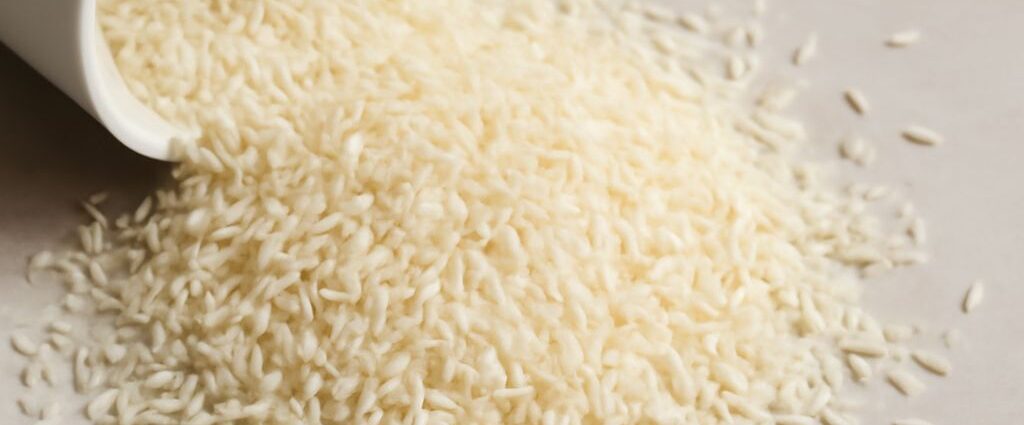
Does uncooked rice go bad? Usually, dry rice stays usable for a long time, but its best-quality period depends on the type and storage conditions. White rice can remain stable for years, while brown rice and other whole-grain varieties lose quality sooner because they contain more natural oils.
Heat, moisture, air, and pests can shorten that storage life. A printed date mainly indicates quality, so use the rice’s smell and appearance to decide whether it should be kept or discarded.
Does Uncooked Rice Go Bad? The Short Answer
Uncooked rice can go bad, although properly stored white rice may last well beyond its best-by date. Dry rice spoils when moisture encourages mold, heat and air cause its oils to turn rancid, or insects infest the package.
Rice that is dry, clean, and free from unusual odors is generally suitable to cook, even if the package date has passed. However, discard it if the grains are damp, moldy, discolored, heavily clumped, or infested. Do not taste rice to test whether it is safe.
Does Dry Rice Go Bad? Shelf Life by Rice Type
The following time frames describe best quality in a cool, dry pantry. Rice can last longer under ideal conditions, but flavor and texture may gradually decline.
- White rice: Regular white, basmati, jasmine, arborio, and sushi rice typically keep for about one to two years in the pantry after opening. Unopened packages may remain usable longer when well sealed and protected from heat and moisture.
- Brown rice: Brown rice usually keeps for three to six months in a pantry. Refrigeration can extend good quality to roughly six to 12 months, while freezing can preserve it for longer. Its bran and germ contain oils that can develop a stale or paint-like odor.
- Specialty rice: Black, red, and other whole-grain specialty rices generally follow brown rice’s shorter storage pattern. Wild rice and blends vary, so check the ingredients. A blend containing brown or wild rice usually needs more careful storage than a package of plain white rice.
Rice with added seasonings, oil, vegetables, or other ingredients may have a shorter shelf life than plain dry grains. Follow the package guidance for those products.
How to Store Dry Rice: Containers, Heat, Moisture, and Pests
Keep unopened rice in its original package if the packaging is intact. Once opened, move it to an airtight, food-safe container. A tight lid limits exposure to air, humidity, and pantry insects. Label the container with the purchase or opening date so older rice gets used first.
Store rice in a cool, dark, dry cupboard away from the stove, dishwasher, sink, and direct sunlight. Heat speeds up rancidity, while moisture can cause clumping, mold, and bacterial growth. Do not store rice near damp foods or in a container that has not been completely dried.
For brown, black, red, wild, or other oil-rich varieties, refrigeration or freezing is the better choice if you will not use them within several months. Use a moisture-proof, airtight container or freezer bag, and allow frozen rice to warm while sealed so condensation does not collect on the grains.
Inspect newly purchased packages for small holes, webbing, larvae, or moving insects. Pantry pests can enter through damaged packaging and spread to nearby foods. If rice shows an active infestation or widespread webbing, discard it and check adjacent dry goods.
Expired Rice: Printed Dates vs. Spoilage Signs
An “expired” or past-date package is not automatically spoiled. Many rice packages carry a best-by date, which refers primarily to freshness, flavor, and texture rather than a precise spoilage deadline. A sealed package stored in suitable conditions may remain acceptable after that date.
Before cooking, pour the rice onto a clean tray or bowl and check it carefully. Discard it if you notice:
- A sour, musty, moldy, or rancid smell, especially an odor resembling old paint or stale oil
- Visible mold, fuzzy growth, dark or unusual patches, or unexplained discoloration
- Wet grains, persistent clumps, or signs that the package has absorbed moisture
- Insects, larvae, shed skins, droppings, or fine webbing throughout the rice
A few broken grains or minor color variation can be normal, particularly in brown, red, or black rice. If the rice looks dry and normal but smells noticeably stale after opening, discard it rather than trying to mask the odor with cooking.









Comments are closed, but trackbacks and pingbacks are open.