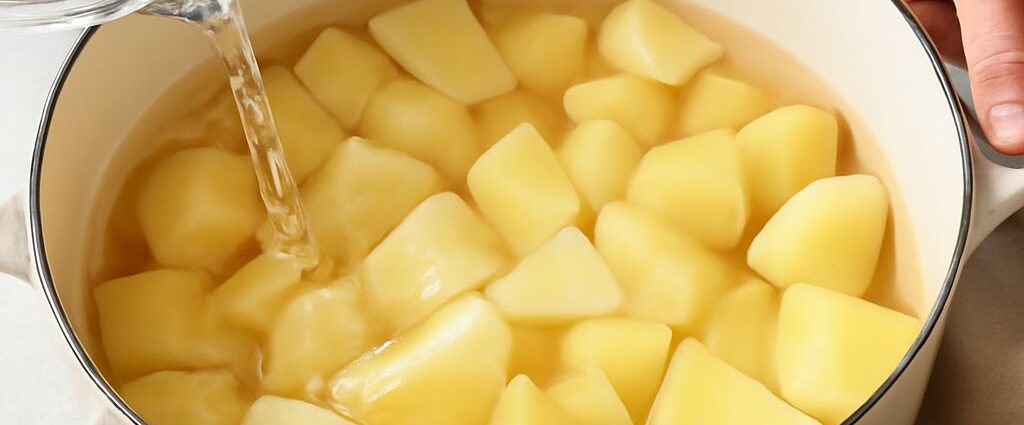
Making mashed potatoes ahead of time works well as long as you protect moisture and reheat gently. For the best texture, you can prepare them the same day and hold them for several hours, or make mashed potatoes ahead of time one to two days in advance and refrigerate them covered.
The key is to keep the potatoes rich enough to stay smooth after chilling, then loosen them with warm dairy before serving. Follow the method below for reliable do ahead mashed potatoes that taste freshly made.
How Far Ahead Can You Make Mashed Potatoes?
The safest and most useful answer is: same day is easiest, and one to two days ahead is ideal for advance prep. If you need them a few hours early, keep them warm after mashing. If you need a true make-ahead dish, chill them promptly and reheat later.
Same-day timing: mash the potatoes up to 4 hours before serving, then hold them in a covered bowl or slow cooker on low heat. Stir once or twice so the top does not dry out.
One-to-two-day timing: make mashed potatoes ahead of time, cool them fully, cover, and refrigerate. This gives you the best balance of convenience and texture.
Longer than two days: it can be done, but the potatoes are more likely to taste dry or lose some of their creamy feel. For the smoothest result, stay within 48 hours.
Best Method for Make-Ahead Mashed Potatoes
Cook and mash with the right ingredients
Choose potatoes that mash smoothly, such as Yukon Golds or russets. Yukon Golds stay naturally creamy; russets whip up lighter and fluffier. Either works if you avoid overmixing.
Use ingredients that hold up after chilling:
- Butter: adds fat that keeps the texture soft after reheating.
- Whole milk, half-and-half, or cream: gives enough richness for a smooth reheat.
- Extra salt: chilled potatoes taste flatter, so season a little more than you would for serving immediately.
- Optional cream cheese or sour cream: helps with body and stability for mashed potatoes ahead of time.
Cook the potatoes until very tender. Drain well, then return them to the hot pot for a minute so excess water evaporates. Mash while the potatoes are still hot, but stop as soon as they are smooth. Overworking them can make them gluey, and that texture is harder to fix later.
Warm the butter and dairy before mixing them in. Cold liquid cools the potatoes too fast and can make the mash uneven. Add the dairy gradually until the potatoes look slightly softer than your final serving texture. They will firm up in the fridge.
Cool, cover, and refrigerate
To make mashed potatoes ahead of time safely, cool them quickly. Spread them in a shallow container or leave them in the pot with the lid off for a short time so steam escapes. Once they stop steaming heavily, cover them and refrigerate.
Use a container that seals well, or press plastic wrap directly onto the surface before lidding. This reduces skin formation and keeps the top from drying out. Chill them within two hours of cooking.
If you are planning do ahead mashed potatoes for a holiday meal, a good workflow is: cook, mash, cool, refrigerate, then reheat about 30 to 45 minutes before serving. That gives you enough time to adjust the texture without rushing.
Reheat gently and adjust texture
Reheating should be slow enough to warm the potatoes evenly. Add a little warm milk, cream, or stock before reheating if they feel stiff in the fridge. Start with a small amount, then add more after stirring.
When the potatoes are hot, taste and correct the seasoning. Cold storage dulls salt and butter flavor, so a final pinch of salt or a spoonful of butter often makes the biggest difference.
How to Store and Reheat Them
Reheat on the stove
The stove is the best method if you want close control. Put the potatoes in a heavy pot over low heat and stir often. Add warm dairy a little at a time until they loosen and turn creamy again.
If they begin to stick, lower the heat and stir more frequently. A splash of milk can bring them back quickly, but do not flood the pot at once. That can make the texture loose instead of silky.
Reheat in the oven
The oven works well for larger batches. Transfer the potatoes to a buttered baking dish, cover tightly with foil, and heat at 350°F until hot in the center. Stir once halfway through if you can.
For a softer finish, dot the top with butter and add a few tablespoons of warm milk before covering. If the potatoes seem very thick, stir after reheating and fold in more dairy until they look smooth.
You can also keep them warm in a low oven for a short period after reheating, but avoid drying them out. If the top starts to look chalky, cover it again.
Fix Dry, Thick, or Watery Potatoes Before Serving
Even well-made mashed potatoes ahead of time may need a final adjustment. Use the texture cue first, then correct it with the smallest change possible.
- If they are too thick: stir in warm milk, cream, or stock a tablespoon at a time.
- If they are dry: add butter first, then a little warm dairy. Fat restores richness better than liquid alone.
- If they are watery: return them to low heat and stir until extra moisture cooks off. If needed, mash in a small extra amount of hot potato.
- If the flavor is flat: add salt, a little pepper, or a touch more butter just before serving.
- If the texture is slightly grainy: stir gently with warm dairy and stop mixing as soon as they smooth out.
Look for the finished texture to be soft, spoonable, and glossy, not stiff or soupy. If you are serving a crowd, keep a small saucepan of warm milk or cream nearby so you can make final adjustments fast.










Comments are closed, but trackbacks and pingbacks are open.