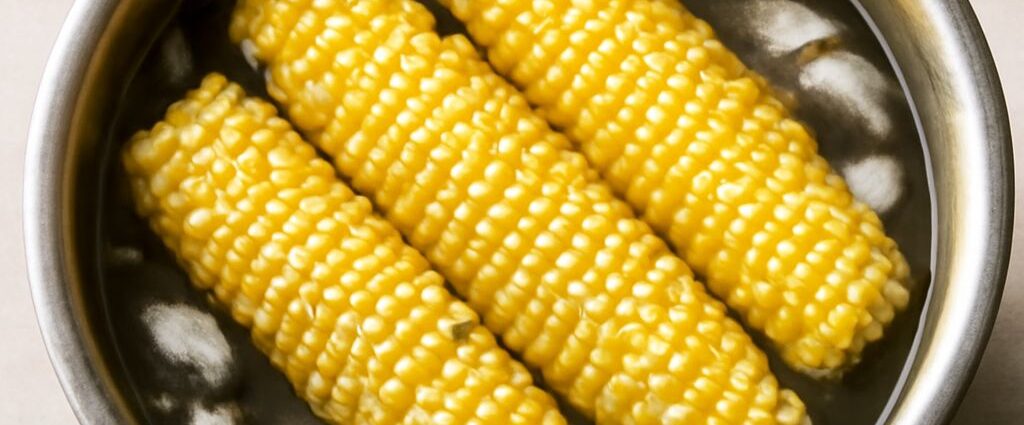
Blanching corn before freezing keeps kernels sweeter, brighter, and less starchy in the freezer. The basic answer is simple: how long to blanch corn before freezing depends on the form. Blanch whole ears for 4 minutes for small ears, 5 minutes for medium ears, and 6 minutes for large ears. If you are freezing kernels cut from the cob, blanch them for 3 minutes.
This guide shows how to blanch corn for freezing with clear timing, cooling, and storage steps. It also explains how long do you blanch corn when you want the best texture after thawing.
Quick Answer: Blanch Time
For most home kitchens, the safest and most useful rule is this:
- Whole ears, small: 4 minutes
- Whole ears, medium: 5 minutes
- Whole ears, large: 6 minutes
- Cut kernels: 3 minutes
Start timing only after the water returns to a full boil. That detail matters. If you add several ears at once, the boil may pause for a moment, and the timer should not start until it comes back.
Blanching corn to freeze is not a full cooking step. It is a short heat treatment that slows enzymes, helps preserve flavor, and improves color. The corn should look brighter, but still stay crisp.
Step-by-Step Method
Use fresh corn for the best frozen result. Pick ears with plump kernels and tight husks. Strip away the husk and silk, then rinse the ears well.
- Bring water to a boil. Use a large pot with enough water to cover the corn. A rolling boil is the goal.
- Prepare an ice bath. Fill a large bowl with ice and cold water before you start blanching. This stops the cooking fast.
- Add the corn. Lower the ears into the boiling water carefully. Keep the pot covered if possible to recover the boil faster.
- Time the blanch. Count 4 to 6 minutes for ears, depending on size, or 3 minutes for kernels.
- Cool quickly. Move the corn into the ice bath right away. Leave it there for the same amount of time you blanched it.
- Drain well. Let excess water drip off. Pat the ears dry if needed before freezing.
- Pack for freezing. Place whole ears or cut kernels into freezer bags or airtight containers.
If freezing whole ears, leave them intact after cooling. If freezing kernels, cut them from the cob after blanching and cooling. A sharp knife works best, and a shallow dish helps catch loose kernels.
The finished corn should feel firm, not mushy. The kernels should look bright and slightly tender, with a clean corn aroma.
Tips and Common Mistakes
Small timing errors make a noticeable difference. Under-blanched corn can taste flat after freezing. Over-blanched corn can lose bite and turn soft.
- Do not skip the ice bath. Leaving corn hot too long keeps it cooking.
- Do not overcrowd the pot. Too much corn at once drops the water temperature too far.
- Do not start timing too early. Wait for the water to return to a boil.
- Do not freeze wet corn. Extra water leads to ice crystals and clumping.
- Do not blanch too long. Corn should stay crisp enough to handle well after thawing.
A simple kitchen check helps. After blanching, the corn should be a shade brighter and smell fresh. It should not seem fully cooked or soft at the tips. If you press a kernel between your fingers, it should still feel slightly firm.
If your corn is very fresh and sweet, you may want to blanch it immediately after picking or buying. Delay reduces quality. For the best freezer result, work in small batches so every ear gets the same treatment.
Freezing and Storage Notes
Once the corn is cool and dry, package it tightly to reduce air exposure. Freezer bags work well for kernels. For whole ears, wrap each ear or place several together in a sturdy freezer bag.
- Label and date every package before freezing.
- Remove as much air as possible from bags.
- Freeze flat for kernels so packages stack neatly.
- Use within 8 to 12 months for best flavor and texture.
For serving later, frozen kernels can go straight into soups, chowders, sautés, and casseroles. Whole ears are best thawed in the refrigerator or heated from frozen, then steamed briefly. If you are using frozen corn in a side dish, avoid long simmering, which can soften the kernels more than needed.
When you remember the basic timing, how long do you blanch corn becomes easy to answer: just long enough to protect flavor, not long enough to cook it through. That balance is what makes blanching corn to freeze worth the few extra minutes.











Comments are closed, but trackbacks and pingbacks are open.