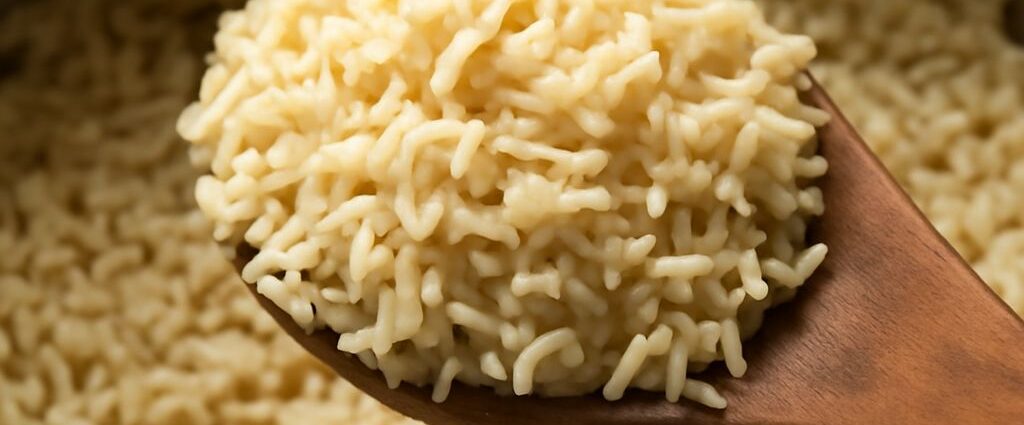
Basmati brown rice cooks into long, fluffy grains with a nutty flavor and a little more bite than white basmati. The key is the right water ratio and a gentle simmer, so the grains cook through without turning mushy.
For reliable results, use 1 cup basmati brown rice, 2 cups water, and a little salt. It usually takes 35 to 45 minutes on the stove, plus a short rest. If you want soft, separate grains for bowls, curries, or meal prep, this method works well.
Basmati Brown Rice Ingredients and Preparation
Rinse the rice first to remove surface starch. That helps the grains stay distinct. Drain well before cooking.
- 1 cup basmati brown rice
- 2 cups water
- 1/2 teaspoon salt, optional
- 1 teaspoon oil or butter, optional
If you want a slightly richer flavor, toast the dry rice in oil for 1 minute before adding water. This is optional, but it deepens the nutty taste of brown basmati.
How to Make Basmati Brown Rice
- Rinse the rice under cool water until the water runs mostly clear. Drain well.
- Add the rice, water, salt, and oil or butter to a medium saucepan.
- Bring to a boil over medium-high heat.
- Once boiling, reduce the heat to low, cover tightly, and simmer for 35 to 45 minutes.
- Check at 35 minutes. The rice should be tender and the water absorbed. If it still feels firm, cook 5 minutes more.
- Turn off the heat and let it stand, covered, for 10 minutes.
- Fluff with a fork before serving.
Use a tight lid and low heat. If the lid leaks steam, the rice may need a few extra minutes. A heavy-bottomed pan helps prevent scorching.
Serve, Store, or Vary Basmati Brown Rice
Serve basmati brown rice with curries, roasted vegetables, grilled chicken, lentils, or fried eggs. It also works well in grain bowls and cold salads because the grains stay separate after cooling.
To vary the flavor, cook it in low-sodium broth instead of water, or add a bay leaf, cardamom pod, or a small cinnamon stick. Keep additions light so the basmati flavor still comes through.
Store leftovers in an airtight container in the refrigerator for up to 4 days. Reheat with a splash of water in the microwave or on the stovetop. For freezing, cool completely and freeze in portions for up to 2 months.
For meal prep, spread cooked rice on a tray for a few minutes to release steam before packing it away. That helps prevent clumping.
Troubleshooting and Doneness Cues
Cooked brown basmati rice should be tender, with a slight chew, and the grains should look separate. If you bite into a grain and it feels chalky in the center, add 2 to 3 tablespoons water, cover, and cook a few minutes longer.
If the rice is wet when the timer ends, uncover for 1 to 2 minutes on very low heat, then rest it again. If it turns mushy, the next batch likely used too much water or too high a simmer.
Common fix: if your stove runs hot, start checking early. Different pans and lids change timing, so don’t rely on the clock alone. The best brown basmati rice cooking instructions are the ones matched to your pot, heat, and preferred texture.










Comments are closed, but trackbacks and pingbacks are open.