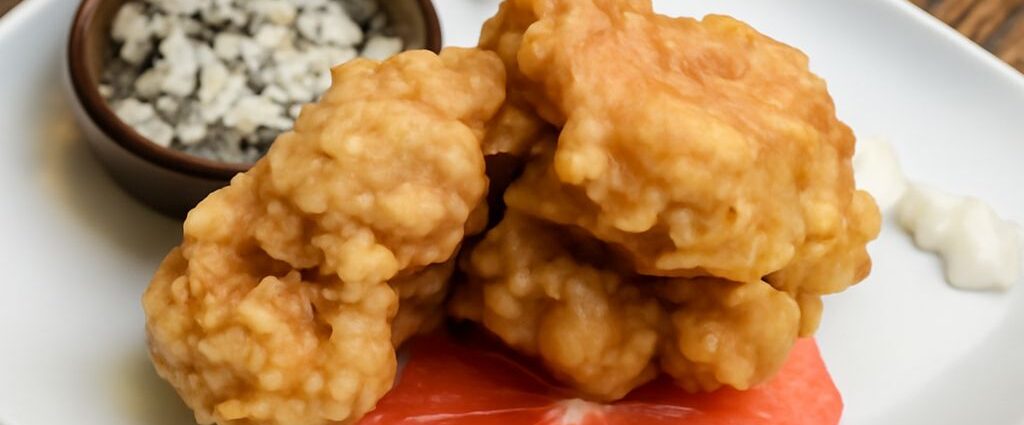
This maitake mushroom recipe gives you crisp, browned edges and a juicy center without breaking the clusters apart. The key is to keep the pieces large, dry them well, and use steady heat.
You can make this as a simple side or a plant-forward topping for rice, noodles, toast, or grain bowls. The method below works in a skillet, with an oven finish option if you want a more hands-off cook.
Clean and Trim Maitake
Use 12 ounces maitake mushrooms, also called hen of the woods. Choose a firm cluster with dry fronds and no slimy spots.
- Trim away any tough or dirty stem base with a small knife.
- Gently pull off any gritty outer bits.
- Do not soak the mushrooms. Wipe them clean with a damp paper towel or a soft brush.
- Leave the cluster in large pieces, about palm-sized, so it browns well and stays juicy.
If the cluster is very large, split it into 2 to 4 sections along natural seams. Smaller pieces cook faster, but very small bits can dry out before they brown.
Season the Clusters
For one generous serving or two small servings, you will need:
- 12 ounces maitake mushrooms, cleaned and trimmed
- 2 tablespoons olive oil or avocado oil
- 1 tablespoon unsalted butter or vegan butter, optional but helpful for browning
- 1/2 teaspoon kosher salt
- 1/4 teaspoon black pepper
- 1 small garlic clove, finely grated, or 1/4 teaspoon garlic powder
- 1 teaspoon soy sauce or tamari, optional for deeper savory flavor
- 1 teaspoon lemon juice or rice vinegar, for finishing
Pat the mushrooms very dry before seasoning. Toss them lightly with oil, salt, pepper, and garlic. Keep the coating thin. Too much seasoning in the pan can steam the mushrooms instead of browning them.
For one of the most reliable maitake mushroom recipes, season after drying and before the first cook. That keeps the flavor even and the texture crisp.
Pan-Sear Until Browned
Heat a large skillet, preferably cast iron or stainless steel, over medium-high heat for 2 minutes. Add the oil and butter. When the butter foams, lay in the maitake in a single layer, stem side down where possible.
Cook undisturbed for 3 to 4 minutes. Press lightly with a spatula if needed so the mushroom contacts the pan. You want steady sizzling, not vigorous spattering. If the pan seems crowded, cook in two batches.
Flip the clusters and cook the second side for 2 to 3 minutes more. Add the soy sauce in the last 30 seconds, if using, so it glazes instead of burning. The mushrooms are done when the edges are deeply golden and crisp, but the center still feels tender when pierced.
Doneness cues:
- Edges look lacy, browned, and slightly curled.
- The cluster holds together, but the thick center gives gently when pressed.
- The pan smells nutty, not sharp or bitter.
Oven finish option: If you prefer, sear for 2 minutes per side, then transfer the skillet to a 425°F oven for 4 to 6 minutes. This is useful for thicker clusters that need a little extra heat without overcooking the surface.
Finish, Serve, and Store
Transfer the maitake to a plate and finish with lemon juice or rice vinegar. Taste and add a pinch more salt if needed. Serve immediately while the edges are crisp.
Serve this maitake recipe with:
- steamed rice or quinoa
- soft scrambled eggs or tofu scramble
- roasted vegetables
- simple greens with sesame dressing
- toast with ricotta, hummus, or miso butter
Easy variations:
- Spicy: add a pinch of chili flakes with the salt.
- Herby: finish with chopped parsley, chives, or dill.
- Umami-forward: swap the lemon for a few drops of toasted sesame oil and extra tamari.
- Oven-only: roast at 425°F for 12 to 15 minutes, flipping once, until browned at the edges.
Yield: 2 side servings or 1 main serving.
Storage: Cool leftovers, then refrigerate in an airtight container for up to 3 days. The crust will soften, but the flavor stays good.
Reheating: Warm in a skillet over medium heat with 1 teaspoon oil for 2 to 3 minutes per side. An air fryer at 375°F for 3 to 4 minutes also restores some crispness. Avoid microwaving if you want to keep the browned edge.












Comments are closed, but trackbacks and pingbacks are open.