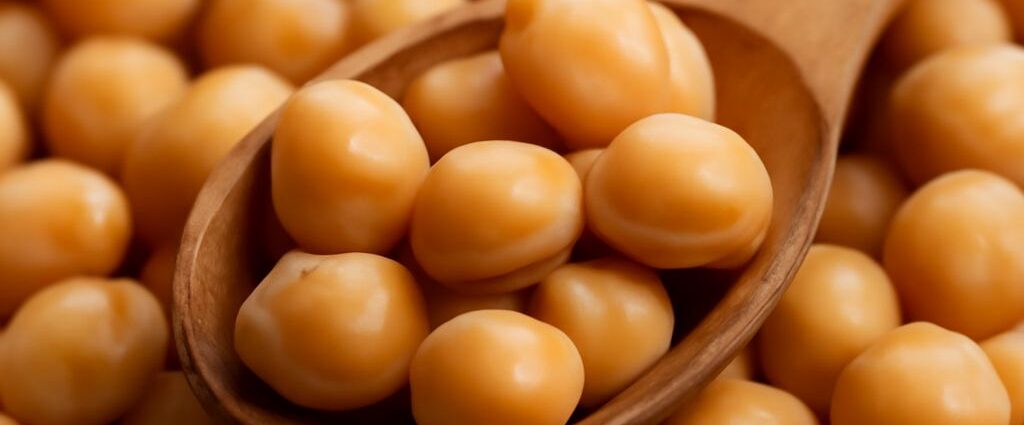
Yes, garbanzo beans and chickpeas are exactly the same legume. The two names refer to the same plant, Cicer arietinum, and the same edible seeds. The only difference is linguistic: “garbanzo” comes from Spanish, while “chickpea” derives from Latin. In any practical kitchen setting, they are completely interchangeable. The confusion usually arises because the legume appears in different forms—canned, dried, split, or ground into flour—and because there are two main varieties that behave slightly differently in recipes. Once you understand those small distinctions, you can confidently use whichever name you see on a label or in a recipe.
The Short Answer: Two Names, One Legume
Walk down any grocery aisle and you might spot a can labeled “garbanzo beans” right next to one that says “chickpeas.” They contain the same thing. The dual naming is a quirk of history and geography. English-speaking countries adopted “chickpea,” while Spanish-speaking regions used “garbanzo.” As global food cultures blended, both terms stuck. Today, American and Latin American markets often favor “garbanzo,” while British, Indian, and Middle Eastern recipes typically say “chickpea” or “chana.” Regardless of the word on the package, you are holding the same round, beige legume with a nutty, buttery flavor and a creamy yet slightly firm texture when cooked.
There is no botanical or culinary difference between a garbanzo bean and a chickpea. If a recipe calls for one and you have the other, you can proceed without any adjustment. The real variables that affect your cooking are the form (canned versus dried) and the specific variety, not the name.
Taste, Texture, and Appearance: Any Real Difference?
Because the names are synonyms, garbanzo beans and chickpeas share the same fundamental taste and texture profile. Cooked seeds are tender with a subtle earthiness, a hint of nuttiness, and a buttery mouthfeel. Their thin skins provide a gentle bite, while the interior mashes smoothly. That said, the variety you buy does influence the eating experience.
Two main types dominate the market:
- Kabuli chickpeas: These are the larger, rounder, cream-colored beans most common in North American and European supermarkets. They have a relatively thin seed coat and cook up exceptionally creamy, making them the first choice for hummus, salads, and soups where a soft, almost velvety texture is desired.
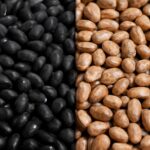
- Desi chickpeas: Smaller, darker, and more angular, with a thicker brown or black seed coat. They are the backbone of many Indian, Ethiopian, and Middle Eastern dishes. Desi chickpeas have a firmer, slightly grainier texture and a deeper, earthier flavor. They hold their shape beautifully in long-simmered curries and stews.
Both are still chickpeas (or garbanzo beans). The label might not always specify the variety, but if you see a can of darker, smaller beans labeled “chickpeas” or “kala chana,” you are looking at the desi type. The larger, pale ones are almost always kabuli. The name on the front—garbanzo or chickpea—does not reliably tell you which variety is inside, so it pays to glance at the beans themselves.
Best Culinary Uses for Garbanzo Beans (Chickpeas)
Understanding how form and variety affect performance lets you match the right bean to the right dish. Here is how to get the best results in everyday cooking.
Canned Garbanzo Beans
Canned beans are fully cooked and ready to use. They are a weeknight lifesaver. Rinse them well under cold water to remove excess sodium and the starchy canning liquid, which can taste metallic. Use canned kabuli chickpeas for:
- Hummus: Their creaminess yields the silkiest purée. For an even smoother result, pinch off the skins before blending.
- Quick salads and grain bowls: Toss rinsed beans with olive oil, lemon, herbs, and vegetables.
- Crispy roasted snacks: Pat them very dry, toss with oil and spices, and roast at 400°F (200°C) until golden and crunchy.
- Aquafaba: The liquid from a can of chickpeas (unsalted) whips into a remarkable egg-white substitute for meringues, mousses, and vegan baking.
Dried Garbanzo Beans
Dried chickpeas require soaking and cooking but reward you with superior texture and flavor. They are more economical and let you control the final firmness. Soak overnight in plenty of cold water, drain, then simmer in fresh water until tender—usually 1 to 2 hours, depending on age and variety. Dried kabuli chickpeas are ideal for:
- Falafel: Use soaked but not cooked chickpeas. The raw soaked beans, ground with herbs and spices, create a mixture that holds together when fried and develops a tender, not mushy, interior.
- Hearty stews and braises: Dried beans absorb broth flavors deeply without turning to mush.
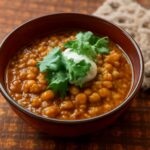
Dried desi chickpeas shine in dishes where a firm bite is essential, such as chana masala, Ethiopian shiro wat (when ground), or any slow-cooked curry. They can also be split and skinned to make chana dal, which cooks faster and thickens sauces naturally.
Chickpea Flour
Chickpea flour, often labeled as besan or gram flour, is typically milled from desi chickpeas. It has a fine texture and a toasty, savory flavor. Use it for socca (a flatbread from Nice), Indian pakoras, or as a binder in fritters and veggie burgers. If a recipe calls for chickpea flour and you only have flour ground from kabuli chickpeas, the result may be slightly less nutty and a touch sweeter, but it will still work.
When the Distinction Actually Matters: Substitution Notes
Since garbanzo beans and chickpeas are the same ingredient, you can freely swap one for the other by name. The meaningful substitutions happen when you change the form or variety.
Canned vs. Dried
One 15-ounce (425 g) can of chickpeas yields roughly 1½ cups of cooked beans, which is equivalent to about ½ cup of dried chickpeas before cooking. If a recipe calls for dried chickpeas and you only have canned, reduce or eliminate any added salt and shorten the cooking time significantly—canned beans just need to heat through. Conversely, if you substitute dried for canned, you must fully cook them first. Never use raw dried chickpeas in place of canned in a no-cook preparation like a salad or quick hummus.
Kabuli vs. Desi
Most Western recipes that simply say “chickpeas” or “garbanzo beans” assume you are using the large, pale kabuli type. If you substitute desi chickpeas, expect a firmer, less creamy result. This can be an advantage in curries and salads where you want the beans to stay intact, but it can make hummus slightly grainy unless you cook them longer and remove the skins. In a pinch, you can use desi chickpeas for hummus: simmer them with a pinch of baking soda to soften the skins, then blend thoroughly and add a little extra liquid.
When a recipe specifically calls for chana dal or kala chana, it is asking for a desi chickpea product. Substituting canned kabuli chickpeas will give you a completely different texture and a milder flavor, so the dish will lose its intended character. In those cases, it is better to seek out the correct variety or adjust your expectations.
Flour Substitutions
Chickpea flour (besan) and all-purpose wheat flour behave very differently. Chickpea flour is gluten-free, absorbs more liquid, and has a distinct bean-like taste. You cannot swap them one-for-one in most baked goods without recipe adjustments. If you need chickpea flour and only have whole dried chickpeas, you can grind them in a high-powered blender and sift out the larger pieces, though the texture will be coarser than commercial besan.
Common Mistakes and How to Avoid Them
Even with a simple ingredient, a few missteps can trip up home cooks. Here are the most frequent ones and how to steer clear.
- Not rinsing canned beans: The canning liquid is starchy and often high in sodium. Always drain and rinse unless a recipe specifically directs you to save the aquafaba. Rinsing improves flavor and prevents a slimy texture in salads.
- Using the wrong bean for hummus: If your hummus turns out gritty, you likely used desi chickpeas or undercooked dried kabuli beans. For the smoothest hummus, use well-cooked or canned kabuli chickpeas, and take a few minutes to slip off the skins.
- Skipping the soak for dried chickpeas: Unsoaked dried chickpeas take much longer to cook and can cook unevenly. An overnight soak in salted water actually helps them cook more evenly and enhances their creamy texture. If you forget, a quick-soak method works: cover with water, bring to a boil for two minutes, then let sit off the heat for one hour before draining and cooking.
- Adding acidic ingredients too early: When simmering dried chickpeas, hold the tomatoes, lemon juice, or vinegar until the beans are fully tender. Acid prevents the beans from softening, leaving you with a tough, chalky center no matter how long you cook them.
- Discarding aquafaba: The liquid from a can of chickpeas is a valuable ingredient. It whips like egg whites and can be used in meringues, mayonnaise, and cocktails. If you do not plan to use it immediately, freeze it in ice cube trays for later.
- Assuming all chickpea flours are the same: Besan (from desi chickpeas) and flour made from kabuli chickpeas have different flavors and absorption rates. If a recipe specifies besan, try to use it for the most authentic taste. In a bind, the other flour will work, but the dish may taste slightly less robust.
Once you recognize that garbanzo beans and chickpeas are identical, you can stop second-guessing labels and focus on what really matters: choosing the right form and variety for the dish you are making. Keep both canned and dried beans in your pantry, note which type you have, and you will be ready for everything from a last-minute hummus to a slow-simmered Sunday stew.




Comments are closed, but trackbacks and pingbacks are open.