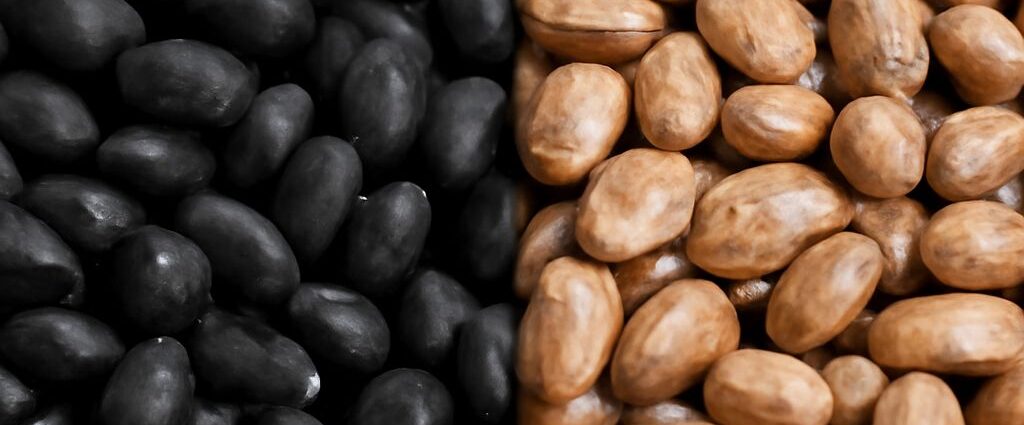
Black beans vs pinto beans comes down to flavor, texture, and how you want the dish to behave. Black beans stay firmer, taste earthier, and hold their shape well. Pinto beans turn creamier, taste milder, and blend smoothly into sauces, dips, and mashed fillings.
If you need the bean to stand out, black beans usually work best. If you want a softer, more forgiving base, pinto beans are often the better choice.
Quick Comparison
Black beans and pinto beans both cook into hearty, versatile ingredients, but they perform differently in the pan.
- Black beans: Deep flavor, firm texture, and a dark color that stays visible in the dish.
- Pinto beans: Mild flavor, softer texture, and a creamy interior that breaks down easily.
- Color impact: Black beans give contrast; pinto beans fade into stews, spreads, and fillings.
- Seasoning style: Black beans handle bold spices well; pinto beans absorb flavor and mellow strong seasonings.
In practical cooking, black beans feel more structured, while pinto beans feel more comforting and blended. That difference matters most in tacos, soups, rice bowls, refried beans, and bean salads.
Best Uses in the Kitchen
Black beans are best when you want beans that stay intact after cooking. They work well in burrito bowls, salads, stuffed peppers, and salsas. Their firmer bite makes them useful when texture matters more than creaminess.
They also pair well with lime, cumin, garlic, onion, and smoky seasonings. Because they hold their shape, black beans are a smart choice for dishes that are stirred a lot or reheated.
Pinto beans are best when you want a smoother result. They shine in refried beans, chili, bean dip, and slow-cooked stews. As they cook, they soften faster and naturally thicken the cooking liquid.
That creamier behavior makes pinto beans useful in comfort foods. They are especially good when the bean should help bind a dish instead of standing apart from it.
For a quick rule: choose black beans for definition, and pinto beans for body.
Substitution Notes
You can substitute black beans for pinto beans, or pinto for black, but the result will change.
- Black beans in place of pinto: Expect a firmer texture and a darker appearance. This works in burritos, soups, and rice bowls, but not as well for refried-style dishes.
- Pinto beans in place of black: Expect a softer, creamier result. This works in chili, casseroles, and dips, though the dish may look less sharp and taste milder.
If swapping in a recipe that depends on bean structure, adjust gently. Add pinto beans later in the cooking process if you want them to keep some shape. Mash black beans more if you need a smoother texture.
For canned beans, rinse and drain both types before substituting. That reduces excess starch and salt, and it gives you better control over the final texture.
Common Mistakes to Avoid
One common mistake is treating black beans and pinto beans as identical. They are close cousins in the kitchen, but they do not behave the same way.
- Using pinto beans when you need structure: They can turn soft too quickly.
- Using black beans when you want creaminess: They may stay too distinct.
- Overcooking canned beans: This makes either type mushy and flat.
- Underseasoning pinto beans: Their mild flavor needs enough salt and spice.
- Ignoring color in finished dishes: Black beans change the look of salsas, soups, and fillings more than pinto beans do.
For most home cooking, the choice is simple. Use black beans when you want a firmer, bolder bean. Use pinto beans when you want a softer, creamier one. If you match the bean to the dish, the result usually tastes more balanced and feels more intentional.










Comments are closed, but trackbacks and pingbacks are open.