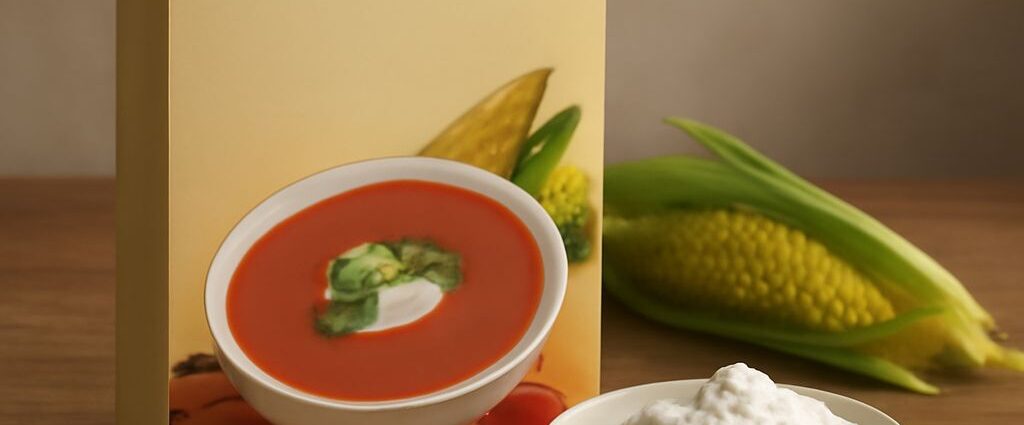
Corn flour and corn starch are two of the most misunderstood staples in any kitchen pantry, often used interchangeably even though they behave very differently once heat is involved. Understanding corn flour and corn starch side by side helps home cooks choose the right ingredient for baking, frying, or thickening, rather than guessing and risking a gummy sauce or a dense loaf.
This guide sits within our Ingredients > Ingredient Guides collection, where cooking skills and substitution knowledge meet. Because corn-based ingredients appear across so many recipe categories, from crispy coatings to silky gravies, it makes sense to compare them here before moving deeper into specific recipe guides.
What Is Corn Flour?
Corn flour is made by grinding whole corn kernels into a fine, pale yellow powder. Unlike starch-only products, it retains the corn’s natural bran and germ, which gives it a slightly sweet, earthy flavor and a soft, slightly gritty texture compared to wheat flour. This whole-kernel origin is what separates true corn flour from the more refined, flavorless starch products sold nearby on the same shelf.
Because it carries some fiber and natural oils, corn flour behaves more like a whole grain flour than a pure thickener. It is commonly used in cornbread, tortillas, pancakes, and certain gluten-free baking blends. Its texture is fine enough to blend smoothly into batters, yet coarse enough to add a light crumb structure that wheat-free bakers often rely on.
Is Corn Flour Corn Starch? A Quick Comparison
This is one of the most common ingredient mix-ups in home cooking. Corn flour and corn starch both come from corn, but they are processed differently and serve different culinary roles. Corn starch is extracted only from the starchy endosperm of the kernel, leaving behind a nearly pure, flavorless powder with strong thickening ability.
Corn flour, by contrast, includes more of the whole kernel, giving it body, color, and a mild taste that starch does not have. In terms of texture, corn starch feels silky and almost slippery between the fingers, while corn flour feels slightly grainy, closer to a fine cornmeal. When a recipe calls specifically for a glossy, clear sauce, corn starch is the better technical choice, while corn flour suits recipes that benefit from added texture and flavor.
Best Uses for Corn Flour and Corn Starch
Knowing where each ingredient performs best takes the guesswork out of recipe planning. Corn flour shines in baked goods, flatbreads, and light batters where a subtle corn flavor is welcome. It also works well as a coating for frying, giving fish, chicken, or vegetables a crisp, golden crust without overwhelming the dish.
Corn starch, meanwhile, is the preferred choice for thickening soups, sauces, custards, and pie fillings because it creates a clear, glossy finish without altering flavor. It is also frequently used in stir-fry marinades, where a light starch coating helps sauces cling evenly to meat and vegetables.
- Use corn flour for cornbread, tortillas, and gluten-free baking blends.
- Use corn starch for glossy sauces, gravies, and delicate custards.
- Use either for light frying coatings, depending on desired flavor and crunch.
</









Comments are closed, but trackbacks and pingbacks are open.