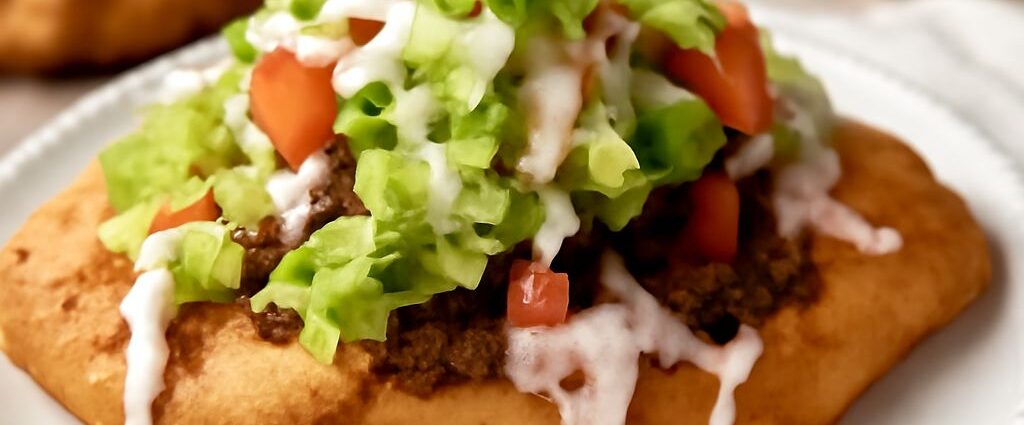
Indian tacos—sometimes called Navajo tacos or Navajo fry bread tacos—are a beloved dish originating from Indigenous communities of the American Southwest. They feature golden, pillowy fry bread topped with flavorful ingredients, blending Native ingenuity with comfort foods. This guide will walk you through making authentic Indian tacos at home, from preparing traditional fry bread to assembling the perfect taco with your favorite toppings. Along the way, you’ll discover the rich history and meaning behind this iconic meal.
What Is an Indian Taco?
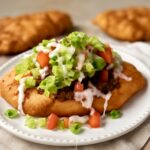
An Indian taco is a savory, open-faced taco built on a base of soft, chewy Navajo fry bread. Unlike traditional tortillas or taco shells, fry bread is deep-fried, giving it a crisp exterior and tender interior. The bread is piled high with seasoned meat—usually ground beef or bison—beans, shredded lettuce, diced tomatoes, cheese, and other taco toppings. What sets Indian tacos apart is how the fry bread absorbs the flavors, creating a unique taste and texture that stands out from any other taco.
Indian tacos are widely enjoyed at powwows, Native American gatherings, community fundraisers, and family kitchens. While they are most famously associated with the Navajo Nation, variations exist among many Indigenous tribes across the United States. The Navajo taco is perhaps the most recognized version, and its popularity has spread far beyond tribal communities.
The phrase Navajo fry bread tacos refers to Indian tacos made specifically with authentic fry bread, as opposed to flour tortillas or other bases. The fry bread itself is a star component: light, just slightly chewy, and substantial enough to hold generous portions of toppings without falling apart. Each bite captures the blend of rich history, cultural resilience, and the simple pleasure of comfort food.
Making Navajo Fry Bread
The heart of an Indian taco is the fry bread. While recipes can vary among families and tribes, the basic foundation remains the same: flour, leavening, salt, and water. Some cooks add a splash of milk or a pinch of sugar; others keep it completely simple. Authentic Navajo fry bread is quick to make and requires no yeast—perfect for spontaneous gatherings or a new dinner adventure.
Ingredients for Traditional Navajo Fry Bread (makes 6 pieces):
- 2 cups all-purpose flour
- 1 tablespoon baking powder
- 1 teaspoon salt
- 3/4 cup warm water (may need up to 1 cup)
- Vegetable oil or lard, for frying (at least 1 inch in the pan)
Step-by-Step Directions:
- Mix the Dough: In a large bowl, whisk together flour, baking powder, and salt. Add 3/4 cup warm water and stir with a wooden spoon or your hand until a shaggy dough forms. Add more water, a tablespoon at a time, until just combined. The dough should be soft but not sticky.
- Knead Lightly: Turn the dough out onto a lightly floured surface. Knead gently for 1-2 minutes, just until smooth—not too much, or the bread will be tough. Cover with a towel and let rest for 10-15 minutes so the gluten relaxes.
- Divide and Shape: Cut the dough into 6 equal pieces. Roll each into a ball, then use your hands to flatten each into a round disk about 6 inches across and 1/4 inch thick. Traditionally, the edges are slightly thicker and the center is thinner. Don’t worry about perfect circles.
- Heat Oil: Pour oil or lard into a heavy skillet or Dutch oven to a depth of 1 inch. Heat over medium-high until it reaches 350–375°F (a small piece of dough should sizzle on contact).
- Fry the Bread: Gently slide one disk into the hot oil. It should puff and bubble. Fry for 1–2 minutes on each side, using tongs to turn, until golden brown. Drain on paper towels. Repeat with the remaining dough, keeping fried bread warm in a low oven.
Success Cues: The fry bread should puff up with slightly crisp, golden blisters, while the interior remains soft and tender. If it browns too quickly, lower the heat. If it’s greasy or dense, the oil wasn’t hot enough or the dough was overworked.
Homemade Navajo fry bread is best served warm and fresh. It can be made ahead and reheated in a 300°F oven until soft and pliable. Avoid stacking hot fry bread directly on each other, which can create steam and make them soggy.
Building Your Taco
Assembling an Indian taco is all about layering flavors and textures. Once your fry bread is ready, you’re only minutes away from a satisfying meal. The classic filling starts with seasoned ground beef or bison, but beans or vegetables work beautifully for a vegetarian option.
Classic Taco Filling:
- 1 pound ground beef or bison
- 1 small onion, diced
- 2 cloves garlic, minced
- 1 teaspoon chili powder
- 1 teaspoon cumin
- 1/2 teaspoon smoked paprika (optional)
- Salt and pepper, to taste
- 1 (15-ounce) can pinto beans, drained and rinsed (optional)
Instructions:
- In a large skillet over medium heat, cook ground meat until browned. Drain excess fat, then add onion and garlic. Sauté until softened, about 3 minutes.
- Stir in chili powder, cumin, smoked paprika, salt, and pepper. Add pinto beans if using. Cook another 2–3 minutes, stirring occasionally, until everything is heated through and fragrant.
- Taste and adjust seasoning. Keep warm while you prepare toppings.
To Assemble:
- Place one piece of Navajo fry bread on a plate.
- Spoon a generous portion of meat and bean filling onto the bread.
- Top with shredded lettuce, diced tomatoes, shredded cheese, and any other desired toppings (see below for ideas).
- Serve immediately. Eat with a fork and knife, or fold and eat by hand—either way is traditional!
The contrast between crisp fry bread, savory filling, and cool, fresh toppings is what makes Navajo tacos so memorable. Each layer brings a different flavor and temperature, creating a hearty, satisfying meal.
Popular Toppings and Variations
The toppings for Navajo fry bread tacos are endlessly adaptable. While there are classic combinations, each family and region has its own twist. Here are some of the most popular ways to top your Indian tacos, along with creative variations:
- Shredded Lettuce and Diced Tomatoes: The most common fresh toppings. These add crunch and brightness to balance the richness of fried bread and meat.
- Cheese: Grated cheddar, Monterey Jack, or a Mexican blend are favorites. The cheese melts slightly over the warm filling, adding creaminess.
- Sour Cream: A dollop of sour cream cools the spice and offers tangy richness.
- Chopped Green Onions or Red Onions: For a bite of sharpness and color.
- Sliced Jalapeños or Pickled Chiles: For those who like a kick, fresh or pickled chile peppers elevate the experience.
- Salsa or Pico de Gallo: Adds acidity and a juicy, fresh note. Some families use a classic tomato salsa; others reach for roasted green chile salsa.
- Refried Beans or Black Beans: For a heartier, vegetarian-friendly taco, use beans as the main filling or in addition to the meat.
- Chopped Cilantro: A sprinkle of fresh herbs wakes up the whole dish.
- Avocado or Guacamole: Creamy avocado slices or a scoop of guacamole introduce richness and a Southwest flair.
Creative Variations:
- Breakfast Indian Tacos: Top fry bread with scrambled eggs, bacon or sausage, cheese, and salsa for a hearty morning meal.
- Chili or Stew Tacos: Some cooks use Navajo fry bread as a base for thick, spicy chili or traditional mutton stew, especially at festivals.
- Vegetarian or Vegan Tacos: Omit meat and use spiced black beans, kidney beans, or a medley of sautéed seasonal vegetables.
- Sweet Fry Bread: For dessert, dust freshly fried bread with cinnamon sugar or drizzle with honey.
Indian tacos invite creativity and adaptation. Whether you stick with the classics or experiment with new flavors, the fry bread base brings everything together in a delicious, satisfying way.
The History and Significance
The story of Indian tacos and Navajo fry bread is deeply intertwined with Native American history, resilience, and adaptation. The creation of fry bread dates back to the 1860s, during the forced relocation of the Navajo people—known as the Long Walk—by the U.S. government. Relocated to unfamiliar land with little access to their traditional foods, the Navajo were given government-issued commodities: flour, lard, salt, baking powder, and sugar. From these ingredients, fry bread was born—out of necessity, but with a spirit of survival and creativity.
Navajo fry bread tacos emerged as a way to turn fry bread into a complete meal, topped with whatever was available: beans, ground beef, and eventually, classic taco fixings. Over time, Indian tacos became a symbol of unity at powwows, family gatherings, and tribal fairs. Today, they are more than a favorite comfort food—they are a living testament to adaptation, tradition, and cultural pride.
Across tribes and generations, Indian tacos have taken on regional flavors and toppings, but the core remains the same: a foundation of simple, accessible ingredients elevated by community and shared memory. Eating an Indian taco is an act of cultural remembrance as much as a treat.
Modern Indigenous chefs and cooks continue to honor and evolve the tradition, experimenting with whole-grain flours, wild game, and seasonal vegetables. Yet, the heart of the meal—warm, freshly fried bread and the spirit of togetherness—endures in every bite.



Comments are closed, but trackbacks and pingbacks are open.