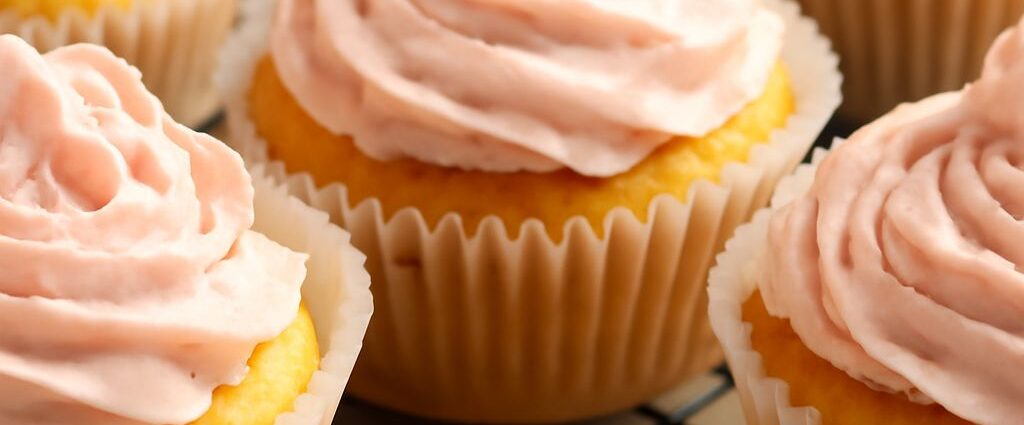
The best frosting depends on the finish you want: vanilla is versatile, chocolate adds depth, and a vegan recipe for cream cheese frosting brings a tangy contrast to sweet cake. Each mixture can be spread; piping calls for a firmer consistency and a cool working space.
These recipes use plant-based ingredients, but the brands and temperatures you choose affect the result. Start with a completely cool cake, then pick the flavor and texture that suit the dessert. A warm cake can turn a carefully made swirl into a small landslide.
Before you mix: choose the ingredients
Use vegan butter sticks or a firm block intended for baking. Soft tub spreads may contain more water and can give a looser frosting. Let the sticks soften just enough that a finger leaves an indentation; they should still feel cool and hold their shape. Melted fat makes a mixture difficult to whip and pipe.
Choose unsweetened, unflavored plant milk, such as soy or oat, for the vanilla and chocolate mixtures. Add liquid gradually: even an extra teaspoon changes a small batch. Powdered sugar provides sweetness and structure, while sifting breaks up lumps that might block a piping tip. If the sugar is lumpy, sift before measuring or weigh it according to the package.
For the tangy version, buy a thick, plain vegan cream cheese rather than a flavored spread. Products vary in water and fat content, so a different brand may need more chilling or yield a softer finish. The source recipe recommends Tofutti and uses store-bought cream cheese; drain any liquid from the container before measuring.
Read every package if the frosting must be dairy-free: some margarines and products marketed as non-dairy can still contain milk-derived ingredients. For a fully vegan result, also check for other animal ingredients, including honey, and choose sugar whose processing meets your preferences. Check cocoa, decorations, and the cake itself as well. For a milk allergy, follow the allergy guidance appropriate to your needs, including shared-equipment information where relevant.
Vanilla buttercream-style frosting
This dairy free frosting recipe gives a sweet, mild finish that works with vanilla, lemon, or berry cakes. Its proportions follow Nora Cooks’ vegan buttercream. It makes about 2 1/2 cups, enough for a modest coating on an 8- or 9-inch layer cake or approximately 24 lightly frosted cupcakes; generous swirls use more.
Ingredients
- 1 cup vegan butter sticks, softened but cool
- 3 cups powdered sugar
- 2 to 3 tablespoons unsweetened plant milk
- 1 teaspoon vanilla extract
- Beat the butter in a large bowl with an electric mixer until smooth, about 2 minutes. Scrape down the sides.
- Add the sugar about 1 cup at a time, mixing on low first so it stays in the bowl. Once incorporated, increase to medium speed.
- Add 2 tablespoons plant milk and the vanilla. Beat on medium for 3 to 4 minutes, scraping the bowl, until fluffy and smooth.
- Test with a spatula. For spreading, the frosting should glide across cake without pulling crumbs. If it is too stiff, add milk a teaspoon at a time. If too soft, beat in a little more powdered sugar, then reassess.
For piped borders, aim for a mixture that holds a ridge when you lift the spatula. Fill a piping bag only halfway so your hands have room to guide it, and pipe a test swirl onto a plate. If the edge slumps, chill briefly and test again. If it cracks or takes great pressure to squeeze, work in a little more milk.
Chocolate frosting with cocoa
For a dairy free chocolate frosting recipe, cocoa supplies both flavor and dry solids, so the proportions differ from the vanilla batch. This version follows Nora Cooks’ chocolate frosting. It makes enough for about 12 to 18 cupcakes or a 9-by-13-inch cake; it can cover an 8- or 9-inch layer cake with a modest finish.
Ingredients
- 1 cup vegan butter sticks, softened but cool
- 3/4 cup unsweetened cocoa powder
- 3 1/2 cups powdered sugar
- 2 teaspoons vanilla extract
- 3 tablespoons unsweetened soy milk
- Beat the butter until creamy, about 2 minutes.
- Sift the cocoa if lumpy. Add it with the sugar, vanilla, and soy milk to the bowl. Mix on low until the powders are moistened, then beat for 2 to 3 minutes until fluffy. Scrape the bowl and beat briefly again.
- If too stiff to spread, add soy milk a teaspoon at a time. If too loose, beat in powdered sugar a little at a time. Taste after adjustments: added sugar changes the balance as well as the texture.
This chocolate frosting recipe made without dairy is good on chocolate cupcakes or a vanilla sheet cake. Cocoa can make it feel firmer than expected after sitting, so check its consistency just before filling a bag. For smooth sides, spread a thin first coat, chill the cake briefly to set the crumbs, and then add the final layer.
Vegan cream cheese frosting recipe for a tangy finish
This vegan cream cheese frosting recipe is a separate mixture, with a softer, tangier base than the buttercream-style versions. The quantities follow Nora Cooks’ cream cheese frosting. The batch covers approximately 12 to 18 cupcakes or a two-layer 8- or 9-inch cake, depending on how thickly you apply it.
Ingredients
- 1/2 cup vegan butter sticks, slightly softened
- 8 ounces plain vegan cream cheese
- 1 teaspoon vanilla extract
- 4 cups powdered sugar, plus a little more if needed
- Beat the slightly softened butter until smooth. Drain any liquid from the cream cheese container, add the cream cheese, and mix for 30 seconds to 1 minute, just until combined.
- Mix in the vanilla. Add powdered sugar gradually, about 1 cup at a time, beating on low until incorporated. The finished mixture should be thick enough to spread without running off the spatula.
- If soft, chill the bowl before adding extra sugar. For a faster adjustment, freeze for 15 minutes, stir, and repeat briefly if needed. If it remains too loose, add a little more sugar; if overly firm after chilling, let it soften briefly and stir.
- For piping, refrigerate at least 30 minutes and test a small swirl. A simple border is a sensible first project. Different cream cheeses soften at different rates, so keep the cake chilled and avoid relying on tall, intricate shapes in a warm room.
For carrot cake, this cream cheese frosting gives a pleasing tang against spices and sweetness. This recipe for vegan frosting with cream cheese also suits a lemon cake, where the tang complements the citrus. Spread it between fully cooled layers, leaving a small margin at the edge so the filling has room to settle under the top layer. If the layers slide, chill the cake before continuing.
Get the texture you need
Before decorating, set out a clean spatula, a covered bowl, and a cool place to hold the finished cake. Spreading and piping ask different things of a frosting. For a smooth coat, it should yield to the spatula without tearing the cake. For piping, it needs enough body to retain the grooves left by the tip. The same bowl may need a short chill between the two jobs, particularly in a warm kitchen.
If a mixture feels greasy or slumps, check its temperature first. Chill for 10 to 15 minutes and stir, then test again. If it is still loose, add powdered sugar in small increments. Sugar makes frosting firmer and sweeter; it will not reverse melted fat instantly. If the mixture is very cold and stiff, let it stand briefly and stir before deciding it needs more liquid.
Air bubbles can leave holes in a smooth finish. Once the frosting is fluffy, stir it slowly with a spatula, pressing it against the bowl. Apply a thin crumb coat, refrigerate until the surface firms, and finish with a fresh layer. Wipe the spatula clean between passes rather than carrying crumbs back onto the cake.
This recipe for chocolate frosting without dairy makes a sturdy-looking swirl when cool, but the shape still depends on the fat, added liquid, and room temperature. Test a sample before decorating a whole tray. If the room is warm, work with part of the batch and keep the rest covered and cool.
Make ahead and store
Make any batch up to two days ahead and refrigerate it in a covered container. Bring vanilla or chocolate frosting back to a workable temperature and beat or stir until smooth. For the cream cheese mixture, allow only enough time to spread or pipe; keep it cool. If any frosting looks separated after chilling, a short mix can bring it back together as it softens.
Refrigerate the finished cake and follow the storage directions for the plant-based cream cheese used. This cream cheese icing is easiest to handle while cool. Keep finished cakes covered to prevent drying and transfer them carefully: a chilled filling is less likely to shift. For the vanilla or chocolate versions, consider the cake and any perishable filling too when deciding how to store the assembled dessert.
These are buttercream-style and cream-cheese-style frostings, not whipped toppings. A plant-based whipped topping gets its light texture from a different formulation and whipping process, so substitute it only in a recipe designed for it. It will not necessarily behave like these mixtures under a heavy cake layer.
When choosing a dairy free frosting recipe, use vanilla for a flexible canvas and tidy borders, chocolate for a cocoa-rich finish on cupcakes or sheet cake, and cream cheese for the tang that suits carrot or spice cake. Spread each while workable, and test a small piped shape before committing to the decoration.

Comments are closed, but trackbacks and pingbacks are open.