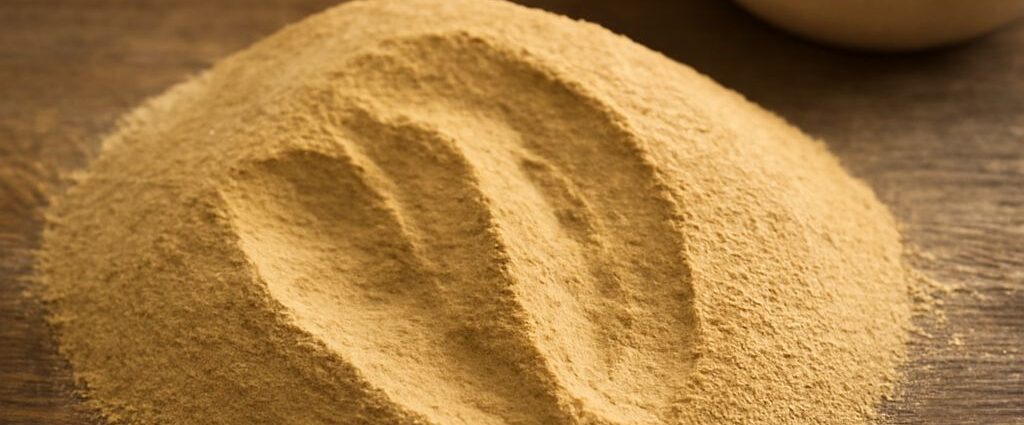
Baking yeast raises dough; the dried torula used in seasoning is generally inactive and contributes savory flavor instead. If you see this yeast on a snack label, think of a flavor ingredient rather than a shortcut to a taller loaf.
Whether this particular yeast ingredient is gluten-free depends on the product and its handling. The organism’s name alone cannot tell you which growth medium was used or whether the finished food encountered gluten during processing.
Torula Yeast Gluten Free Checks for a Specific Product
To keep a yeast ingredient gluten-free, a manufacturer must consider the growth medium, added ingredients, and possible cross-contact as well as the yeast itself. Look for a gluten-free claim on the finished package and check the complete ingredient list. If the claim or sourcing is unclear, ask the manufacturer about the specific product and lot.
A concrete example is Lallemand Bio-Ingredients’ Toravita 054, an ingredient sold for food manufacturing. Its 2023 product guide identifies it as an ultra-light torula ingredient and displays a gluten-free claim. That statement concerns the ingredient described in the guide. It does not automatically cover a soup, seasoning, or snack that contains it alongside other ingredients.
The guide does not identify the growth medium or explain its cross-contact controls in enough detail to settle those questions for a particular finished food. A food maker can use different ingredients and equipment from the yeast supplier. For a medical need, check the package you plan to eat and contact its manufacturer if you need more detail about its controls or the claim’s scope.
What Is This Ingredient?
What is torula yeast? It is a yeast used in food for its savory properties, often supplied as a dried, inactive ingredient. A 2022 Irish food authority assessment identifies the organism as Cyberlindnera jadinii, also known by earlier names including Candida utilis. The assessment describes growing the yeast on a sugar source, then separating, washing, heating, and drying it.
In the kitchen, the relevant question is what the ingredient does in the food. It can add a savory, rounded note to a seasoning, sauce, soup, or snack. Manufacturers use it in small amounts as part of a recipe, often alongside salt, herbs, spices, and other flavorings. The flavor of a finished product reflects the whole recipe, so the name on a label does not tell you exactly how strong or smoky it will taste.
The Center for Science in the Public Interest describes the ingredient as an inactivated savory flavoring. Some versions are smoked; that does not mean every version has a smoky taste. A plain powder and a smoked seasoning can lead a dish in quite different directions.
Flavor and Uses in Food
Expect a savory, sometimes earthy or nutty flavor rather than the fresh, fermenting aroma of bread dough. In a vegetable broth, a small amount can make the flavor seem fuller. In a snack seasoning, it can work with onion, garlic, paprika, or smoke flavor. Its contribution depends on the product and the amount used.
A manufacturer might include the powder in a dry soup mix or a plant-based sauce. At home, if you buy a food-grade version intended as a seasoning, follow the supplier’s directions and start with a small amount. Stir it into a warm sauce or sprinkle a little over vegetables, then taste before adding more. Check whether the product already contains salt or other seasoning; a blend may need less additional salt than a plain ingredient.
For a practical comparison, make two small cups of vegetable broth and season one according to the product instructions. Taste them side by side. The aim is to notice the savory character, not to use as much powder as possible. As with salt, a little attention early can save an overenthusiastic soup later.
In a finished food, examine the complete ingredient list. A packet that contains this yeast may also contain dairy, wheat, or other ingredients that matter to you. Conversely, a savory flavor is not proof that a product contains animal ingredients. The named food and its label provide the useful evidence.
Is It the Same as Baking or Nutritional Yeast?
Active dry and instant baking yeast are selected and packaged to help dough rise. The living yeast produces gas during fermentation, and the dough traps it. Dried torula used for flavor is generally inactivated, so it should not be substituted for active yeast in a bread recipe. A savory loaf still needs the leavening specified in its recipe.
Nutritional yeast is another inactive yeast product used for flavor, but the two names do not describe an identical product. Nutritional yeast is often sold as flakes or powder for home cooking, sometimes fortified with vitamins. Torula may be offered as a food-manufacturing ingredient or seasoning, with a different flavor profile. Check each package’s ingredients and nutrition information instead of assuming the same taste, vitamin content, or substitution rate.
Yeast extract is yet another category. It is made from yeast components and may be used for savory flavor, but its name alone does not identify the organism or growth medium. If a recipe asks for one product and you have another, add a little at a time and taste. Do not use a seasoning substitution as a substitute for the leavening in dough.
Understanding Gluten and the Growth Medium
Is torula yeast gluten free in every product? The yeast itself is not wheat, barley, or rye, but production and the finished recipe still matter. A 2020 study of gluten in dried yeast and yeast-containing products explains that yeast can be grown on different materials and that common names do not always reveal the growth substrate. It discusses molasses and cellulose-derived sources for torula; it does not establish the medium for every supplier.
The substrate is the material used to feed the growing yeast. A non-gluten source is useful information, but it does not answer every question about a finished package. Other ingredients, shared equipment, handling, and testing or controls can matter too. A gluten-containing ingredient in the final food is a separate issue from the medium used to grow the yeast.
In the United States, an FDA-regulated packaged food bearing a gluten-free claim must meet the FDA requirements, including a gluten limit of less than 20 parts per million. A claim can help shoppers identify products intended to meet that standard; it is still important to read the actual package and seek individual medical advice when needed. Certification is a separate voluntary program, so consult the certifier’s published standards if its scope matters to you.
When a label has no claim, do not infer the answer from the word “yeast.” Ask the maker whether the specific product is formulated to be gluten-free, what medium its yeast supplier uses, and what controls address cross-contact. A manufacturer may be able to provide a current specification or explain why it cannot confirm the details. An unanswered question remains unanswered; choose another product if you need that information before eating.
Reading a Label and Contacting the Maker
Begin with the front and back of the package. Note the exact product name, flavor, size, country of purchase, and date or lot code. Look for a gluten-free statement or certification, then read the full ingredient list for wheat, barley, rye, and ingredients you need to investigate. Wheat is a major U.S. allergen, but a wheat-free statement alone does not address barley or rye.
If you contact customer service, keep the question specific: “Does this product meet your gluten-free standard? What is the growth medium for the torula ingredient, and what controls address gluten cross-contact in the ingredient and the finished product?” Ask whether the answer covers the package and production location you have. A company may need the lot code to identify the relevant supplier.
You can also ask whether a smoked flavor, carrier, or other ingredient is part of the yeast preparation. That matters both for dietary needs and for cooking: a smoked blend can change the character of a delicate sauce. Save the reply and its date, and recheck if the label or formulation changes.
For someone with celiac disease or another medical reason to avoid gluten, a registered dietitian or healthcare professional can help interpret questions about individual products. The manufacturer can explain its formulation and controls; a clinician can help with the person’s dietary needs. Those are different pieces of information.
A Quick Package Check
Before adding the ingredient or a food containing it to your cart, use this short checklist:
- Identify the product. Match the name, flavor, package size, and market to any manufacturer information you find.
- Read the entire list. Check other ingredients as well as the yeast, including seasonings, carriers, and possible animal-derived additions if relevant.
- Look for the claim. A gluten-free statement applies to the product bearing it; an ingredient supplier’s claim does not automatically cover a different finished food.
- Resolve open questions. Ask about the growth medium, shared equipment, cross-contact controls, and the specific lot when those details matter to you.







Comments are closed, but trackbacks and pingbacks are open.