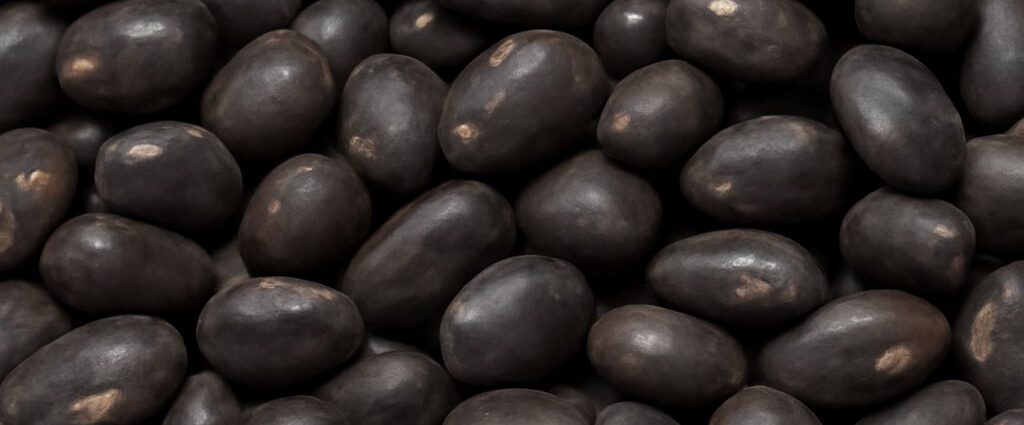
Cooked beans generally keep for 3–4 days in a refrigerator set to 40°F (4°C) or below. This window applies to beans cooked from dry and opened canned beans when they were cooled and stored promptly.
The key storage question—how long can cooked beans stay in the fridge—is answered by that three- to four-day limit. If the beans sat at room temperature for more than two hours, or more than one hour above 90°F (32°C), discard them instead of refrigerating them.
How Long Can Cooked Beans Stay in the Fridge? 3–4 Days
Plan to use refrigerated cooked beans within 3–4 days. Store them on a refrigerator shelf rather than in the door, where temperatures fluctuate more. The practical answer to “how long do cooked beans last” depends on prompt cooling, a cold refrigerator, and clean, sealed storage.
Cool and Store Cooked Beans
Cool beans quickly after cooking. Do not leave a large pot on the counter until it reaches room temperature. Instead, divide the beans and their cooking liquid into several shallow containers, then refrigerate them promptly. Smaller portions cool faster and are easier to use.
How Long Are Cooked Beans Good For?
Cooked beans are good for 3–4 refrigerated days when kept in airtight, food-safe containers. Glass containers or sturdy plastic containers both work. Leave enough room for the beans and liquid without packing them tightly against the lid.
Keep the beans covered to prevent contamination and moisture loss. Label the container with the cooking or storage date so the four-day limit is easy to track. Reheat only the portion you plan to eat, rather than repeatedly warming the entire batch.
Home-Cooked and Opened Canned Beans
Home-cooked beans should move from the pot into shallow containers as soon as practical. You can refrigerate them with enough cooking liquid to keep them moist.
For opened canned beans, transfer leftovers from the can into a clean, covered container. The can does not extend the refrigerator window after opening. Drain and rinse the beans first if that suits your recipe, or store them in their remaining liquid. Both types use the same 3–4-day limit and the same spoilage checks.
Signs Cooked Beans Have Spoiled
Do not taste beans to test their safety. If they look or smell questionable, discard the entire container. Spoilage can occur even when one warning sign is subtle.
Odor and Texture
Fresh cooked beans have a mild, savory or earthy smell. Discard them if they smell sour, fermented, rancid, or otherwise unpleasant. A newly slimy, sticky, stringy, or unusually slippery coating is also a warning sign.
Soft beans are normal, but a sudden change in texture is not. If the beans have become unusually mushy along with an off odor, do not try to salvage them by rinsing or reheating.
Liquid and Mold
Cooking liquid can naturally look cloudy because of bean starch. However, discard the beans if the liquid develops new foaming, fizzing, gas bubbles, strong separation, or a fermented appearance. Fuzzy mold, colored spots, or growth around the container require discarding the whole batch; do not scoop off the visible area.
Freeze Beans for Longer Storage
Freeze cooked beans within their 3–4-day refrigerator window if you will not use them soon. Divide them into meal-sized portions and include a little cooking liquid to help prevent drying. Use freezer-safe containers or bags, remove excess air, and leave headspace for expansion. Label each portion with the date.
Frozen beans are best used within 2–3 months for good texture and flavor. Thaw them overnight in the refrigerator, or warm them gently in a saucepan or microwave. Use thawed beans within 3–4 days, and reheat them until steaming hot before serving.












Comments are closed, but trackbacks and pingbacks are open.