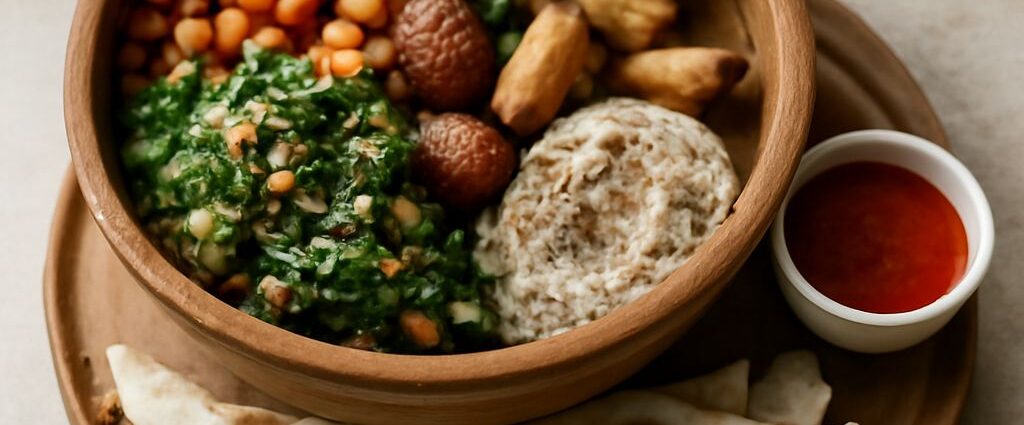
This vegan weight loss meal plan gives you seven days of protein-rich meals, high-volume produce, whole grains, fruit, and measured energy-dense foods. Portions are adjustable, so the menu can suit different bodies, activity levels, and hunger patterns.
Use the schedule as a repeatable framework rather than a rigid prescription. Each main meal pairs a dependable vegan protein source with vegetables or fruit, which helps support fullness while keeping preparation practical.
How the Vegan Weight Loss Meal Plan Is Structured
Build lunch and dinner around three parts: half the plate non-starchy vegetables, one-quarter protein-rich food, and one-quarter whole-grain or starchy carbohydrate. At breakfast, combine protein with fruit, vegetables, or both.
Useful protein anchors include tofu, tempeh, seitan, lentils, beans, edamame, chickpeas, soy yogurt, fortified soy milk, and chickpea pasta. Aim to include one at every main meal. If you eat snacks, use them to add produce or protein rather than grazing on calorie-dense foods.
Start with approximately ¾ to 1 cup cooked beans or lentils, 150 to 200 grams tofu, 100 grams tempeh, or a serving of seitan. Use about ½ to 1 cup cooked grains or potatoes, adjusting that amount for hunger and activity.
Measure foods such as oil, nuts, seeds, avocado, coconut milk, tahini, and nut butter. For example, use 1 teaspoon oil, 1 tablespoon seeds or nut butter, or ¼ avocado at a time. These foods provide valuable nutrients, but small portions contain substantial energy.
Seven-Day Vegan Meal Plan to Lose Weight
Drink water or unsweetened tea with meals. Choose one listed snack daily, or skip it if you are satisfied between meals.
- Day 1: Breakfast is oatmeal made with fortified soy milk, chia seeds, and berries. Lunch is a lentil-quinoa salad with leafy greens, cucumber, tomatoes, and lemon dressing. Dinner is baked tofu with broccoli, peppers, mushrooms, and brown rice. Snack: an apple with 1 tablespoon peanut butter.
- Day 2: Breakfast is tofu scramble with spinach, mushrooms, and tomatoes, served with whole-grain toast. Lunch is a chickpea wrap with lettuce, cucumber, grated carrot, and tomato. Dinner is three-bean chili with zucchini, peppers, onions, and tomatoes, served with a small baked potato. Snack: shelled edamame.
- Day 3: Breakfast is overnight oats with soy yogurt, raspberries, and 1 tablespoon hemp seeds. Lunch is an edamame soba bowl with shredded cabbage, carrots, cucumber, and scallions. Dinner is red lentil pasta with tomato sauce, spinach, zucchini, and mushrooms. Snack: an orange and a small portion of roasted chickpeas.
- Day 4: Breakfast is a smoothie made with silken tofu, spinach, frozen berries, banana, soy milk, and oats. Lunch is a black bean bowl with brown rice, shredded lettuce, salsa, tomatoes, cabbage, and corn. Dinner is tempeh fajitas with peppers, onions, cabbage, and two small corn tortillas. Snack: unsweetened soy yogurt.
- Day 5: Breakfast is a chickpea-flour pancake with grated zucchini, spinach, and salsa. Lunch is white-bean vegetable soup with carrots, celery, tomatoes, and kale, plus one slice whole-grain bread. Dinner is tofu and chickpea curry with cauliflower, green beans, and ½ cup brown rice. Snack: a pear with 1 tablespoon walnuts.
- Day 6: Breakfast is soy yogurt with oats, blueberries, pumpkin seeds, and sliced kiwi. Lunch is a baked potato topped with lentils, steamed broccoli, tomatoes, and a spoonful of unsweetened soy yogurt. Dinner is seitan stir-fry with cabbage, snap peas, peppers, and quinoa. Snack: carrot and cucumber sticks with ¼ cup hummus.
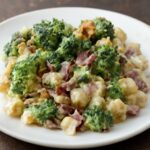
- Day 7: Breakfast is a whole-grain breakfast burrito with tofu scramble, black beans, spinach, tomatoes, and salsa. Lunch is chickpea pasta salad with edamame, cherry tomatoes, cucumber, arugula, and lemon dressing. Dinner is three-bean stew with kale, carrots, zucchini, and barley. Snack: fruit with 1 tablespoon sunflower-seed butter.
Shopping and Batch Prep for a Vegan Diet Plan for Weight Loss
Shop by meal components instead of buying seven unrelated recipes. For one person, a practical starting list includes:
- Produce: two large bags of leafy greens, broccoli, cauliflower, cabbage, peppers, zucchini, mushrooms, carrots, cucumbers, tomatoes, onions, potatoes, bananas, apples, citrus, and two types of berries.
- Protein foods: tofu, tempeh, fortified soy milk, soy yogurt, edamame, hummus, lentils, chickpeas, black beans, white beans, and a low-sodium three-bean mixture. Canned beans save time; rinse them before use.
- Grains and staples: oats, quinoa, brown rice, barley, whole-grain bread, corn tortillas, soba, chickpea pasta, chia or hemp seeds, and chickpea flour.
- Flavor builders: lemons, salsa, canned tomatoes, garlic, ginger, curry powder, smoked paprika, low-sodium soy sauce, vinegar, and herbs.
Set aside 60 to 90 minutes for the main prep session. First, cook about 2 cups dry grains, such as brown rice, quinoa, or barley; this yields several ready-to-use portions. Next, bake or air-fry a few portions of tofu and tempeh with spices. Roast a tray of peppers, zucchini, broccoli, and onions.
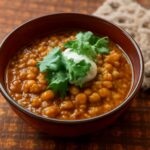
While those foods cook, wash greens, chop salad vegetables, portion fruit, and mix a lemon-tahini dressing. Prepare a pot of lentil soup or bean chili for three to four meals. Refrigerate the first few days of food and freeze extra cooked grains, soup, or chili if you will not use them promptly.
The finished prep should give you assembled protein, cooked carbohydrates, and ready vegetables. If meals become watery, bland, or repetitive, keep dressings and sauces separate and vary spices, herbs, salsa, or vinegar at serving time.
What a Vegan Diet Plan for Fast Weight Loss Can—and Cannot—Promise
The word “fast” should describe efficient planning, not a guaranteed rate of fat loss. A vegan diet plan for fast weight loss still needs enough food to support energy, protein intake, and adherence. Removing entire meals or severely restricting grains can increase hunger and make the plan difficult to maintain.
Weight change depends on portion sizes, starting body size, activity, sleep, medications, health conditions, and fluid shifts. A commonly used planning range is roughly 0.25 to 0.75 kilograms, or 0.5 to 1.5 pounds, per week, but individual results can fall outside it. Early scale changes may also reflect water rather than body fat.
Adjust the menu after tracking your average trend for two to three weeks, not after one daily weigh-in. If you are consistently hungry, first add vegetables, fruit, beans, tofu, or another protein anchor. If portions feel satisfying but weight is not changing, reduce one energy-dense addition or slightly reduce the grain or potato portion. Keep protein and high-volume produce in place.
If energy, training performance, or concentration declines, the plan is too restrictive. Increase portions and reassess rather than pursuing a faster result.





Comments are closed, but trackbacks and pingbacks are open.