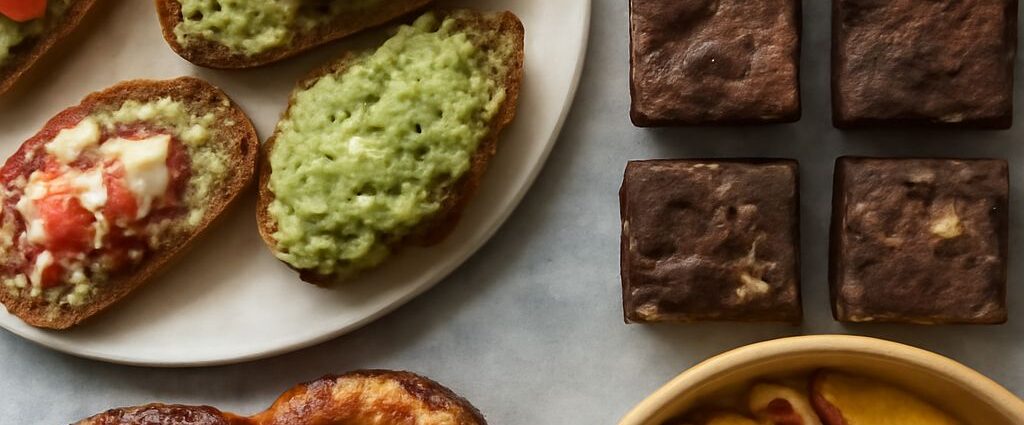
Vegan snacks are foods made without animal ingredients, usually chosen for quick eating between meals or for simple kitchen storage. In plain terms, they are snack options that skip meat, dairy, eggs, honey, and other animal-derived ingredients.
For everyday food literacy, the useful question is less about labels and more about ingredients. A snack can look simple and still include milk powder, whey, gelatin, or honey, so it helps to read the list with care.
Quick Overview of Vegan Snacks
Vegan snack food can be very basic. Many options come from pantry items, fresh produce, or minimally processed packaged foods. The common thread is ingredient choice, not a special cooking method.
Examples include fruit, cut vegetables, nuts, seeds, popcorn made without butter, crackers made without dairy, hummus, bean dips, roasted chickpeas, rice cakes, and plain oatmeal cups. Some people also use olives, salsa with chips, or plant-based yogurt if the ingredient list fits.
When people ask about snacks for vegans, they usually want foods that are easy to keep on hand and easy to eat in small portions. That makes shelf life, texture, and packaging useful practical points. A crunchy snack travels differently from a soft one, and a fresh snack needs more quick use.
Common Snacks That Are Vegan
Many everyday foods are naturally vegan snacks when they are unseasoned or simply prepared. A few familiar examples are:
- Apples, bananas, oranges, berries, grapes, and dried fruit
- Carrot sticks, cucumber slices, cherry tomatoes, and bell pepper strips
- Almonds, walnuts, peanuts, pistachios, sunflower seeds, and pumpkin seeds
- Plain popcorn, pretzels, and many tortilla chips
- Hummus with vegetables or pita
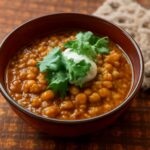
- Roasted edamame, roasted chickpeas, and simple bean spreads
- Toast, rice cakes, or crackers with nut butter or avocado
Some packaged snacks also fit well, but they need an ingredient check. A product may be plant-based in spirit yet still contain dairy flavoring, egg wash, or honey. That is why the word “vegan” on the front is helpful, but not the only thing to look at.
In ordinary kitchen use, snack ideas often come from leftovers too. Extra cooked potatoes can become a cold snack with salsa. Leftover grains can be turned into a small salad cup. Plain beans can be mashed with herbs for a quick spread.
Practical Uses in Everyday Eating
Vegan snacks are useful because they bridge gaps in the day. They can work for a desk drawer, a lunchbox, a road trip, or a simple afternoon bite at home. They also help reduce last-minute food scrambling when the kitchen is busy.
A practical way to think about them is by function. Some snacks are quick and fresh, like fruit. Some are sturdier and travel well, like nuts or crackers. Some are more filling in texture, like hummus with vegetables or toast with bean spread. Choosing by function makes everyday eating easier than chasing trends.
For ordinary meal planning, it helps to keep a mix of ready-to-eat and assemble-at-home items. Ready items include fruit, trail mix, and popcorn. Assemble-at-home items include sliced vegetables, sandwiches cut into small pieces, or dips paired with crackers. This balance keeps snack options flexible without requiring much effort.
It is also useful to match the snack to the moment. A crisp snack may suit a long work session, while something softer may fit a calm break at home. None of this is special nutrition advice; it is just food handling and convenience.
How to Check Ingredients
The most reliable way to tell whether a snack is vegan is to read the ingredient list. Front labels can be helpful, but they do not always tell the full story.
Look for common non-vegan ingredients such as milk, butter, cream, cheese, whey, casein, egg, honey, gelatin, and some animal-based flavorings. Also watch for ingredients that sound vague, like “natural flavors,” if the product does not clearly state what they are.
Allergen statements can help too, but they are not the same as a vegan check. A snack may say it contains no dairy and still use honey. Another may be dairy-free but use egg. Ingredient-by-ingredient reading remains the clearest method.
When the label is long, the simplest approach is to scan from top to bottom and look for the obvious animal-derived items first. If the product is still unclear, choosing a simpler snack is often easier than trying to guess.
Tips and Related Ideas
Good vegan snack planning usually starts with simple pantry habits. Keep a few shelf-stable foods, a few fresh foods, and one or two ready dips or spreads. That makes it easier to build a snack without much prep.
Useful combinations include fruit with nuts, vegetables with hummus, crackers with nut butter, or popcorn with seeds. These are ordinary food pairings that can be assembled quickly from common ingredients.
If you want more variety, try changing one part of the snack rather than the whole idea. Swap apples for pears, hummus for bean dip, or pretzels for pita chips. Small changes keep snack routines from feeling repetitive.
Related ideas often include vegetarian snacks, dairy-free snacks, and plant-based snack food. Those terms overlap, but they are not identical. Vegetarian snacks may include dairy or eggs, while vegan snacks avoid animal ingredients altogether.
For everyday use, the best vegan snacks are the ones you can identify easily, store safely, and eat without much fuss. Simple ingredients and clear labels make that easier, which is usually the main point in ordinary kitchen life.







Comments are closed, but trackbacks and pingbacks are open.