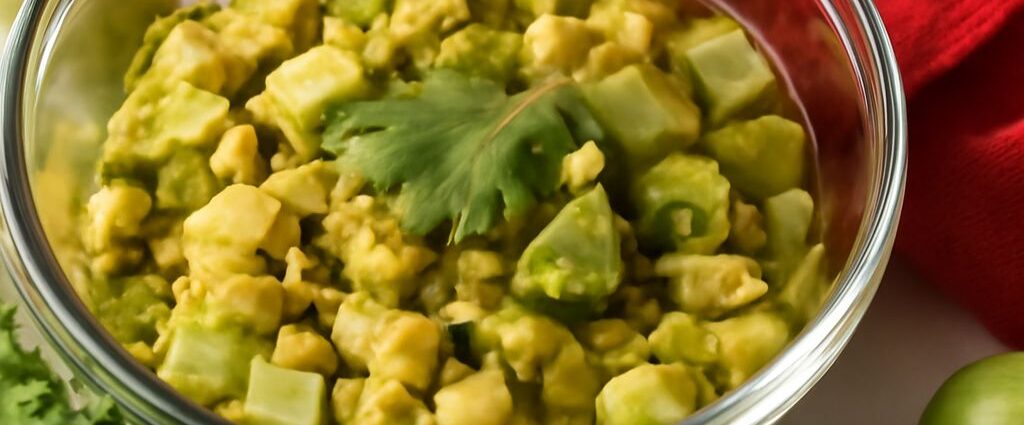
Recipes featuring green tomato salsa are a vibrant way to bring plant-forward recipes to life. This tangy, colorful condiment not only highlights the unique flavor of unripe tomatoes but also fits seamlessly into plant-forward-recipe-clusters. Whether you’re seeking a fresh take on salsa or exploring new plant-based meal ideas, green tomato salsa can bridge ingredient preferences and meal styles with ease.
Green tomato salsa is more than a seasonal swap—it’s a practical solution for using up garden abundance and for connecting diverse plant-based dishes. Let’s explore what makes this salsa shine, how to adapt it, and how it fits naturally among plant-forward recipes.
What Makes This Work
The appeal of green tomato salsa lies in its bright, zesty flavor and its versatility across many cuisines. Unlike classic red salsas, green tomato salsa uses unripe tomatoes, which offer a firmer texture and a tangy bite. This makes it especially suitable for plant-forward recipes, where vibrant flavors can elevate vegetables, grains, or legumes.
Within plant-forward-recipe-clusters, green tomato salsa acts as both a condiment and an ingredient. Its acidity balances richer plant-based mains, while its fresh profile pairs well with roasted, grilled, or raw vegetables. By embracing green tomatoes, cooks can diversify their flavor palette and reduce food waste, making this salsa a smart addition to any plant-based kitchen.
Ingredients and Variations
The core ingredients for green tomato salsa are simple:
- Green (unripe) tomatoes
- Onion (white, yellow, or red for different flavor notes)
- Jalapeño or other chili peppers
- Fresh cilantro
- Lime juice
- Salt
- Optional: garlic, green bell pepper, tomatillos, or apple cider vinegar
These staples create a base that’s easy to customize. For a milder salsa, swap in sweet peppers or reduce the chili. Roasting the tomatoes and peppers before blending adds a smoky depth, ideal for heartier plant-forward meals. For a chunkier texture, hand-chop the ingredients; for a smoother sauce, pulse in a food processor.
Green tomato salsa also adapts well to substitutions. If green tomatoes are unavailable, tomatillos or underripe red tomatoes can stand in. Adding avocado yields a creamy twist, while a handful of fresh herbs (like parsley or mint) brings new layers of flavor. This flexibility connects the salsa to a wide range of plant-forward-recipe-clusters, from grain bowls to tacos and beyond.
How to Make or Use It
Making green tomato salsa is straightforward, and the method can be adjusted to suit different plant-based meals:
- Wash and core green tomatoes. Chop roughly.
- Combine tomatoes, onion, chili, cilantro, lime juice, and salt in a blender or food processor.
- Pulse to desired consistency—chunky or smooth.
- Taste and adjust seasoning. Add garlic or vinegar for more punch if desired.
This salsa is ready in minutes and can be enjoyed immediately or after a short rest to let the flavors meld. It’s naturally vegan and gluten-free, making it a universal addition to plant-forward recipes.
In terms of use, green tomato salsa shines as a topping for tacos, grain bowls, and roasted vegetables. It brings brightness to black bean salads, grilled corn, or simple avocado toast. Within plant-forward-recipe-clusters, it can also serve as a marinade for tofu or tempeh, a dressing for chopped salads, or a dipping sauce for baked chips and crudités. Its adaptability ensures it fits right alongside other plant-based dips and spreads.
Serving and Storage Tips
To serve green tomato salsa, use it generously as a finishing touch on plant-based tacos, burrito bowls, or breakfast scrambles. Its acidity cuts through creamy components like cashew cheese or avocado, balancing the flavors of hearty plant-forward recipes. For gatherings, offer it with a platter of roasted vegetables or alongside other salsas and dips for variety.
For storage, keep green tomato salsa in an airtight container in the refrigerator. It stays fresh for up to five days, though the flavors deepen after a day or two. For longer keeping, freeze in small portions and thaw as needed; the texture may soften, but the taste remains bright. If using as part of plant-forward-recipe-clusters for meal prep, portion salsa separately to maintain freshness and prevent sogginess in grains or greens.
Connecting to Plant-Forward Recipes
Green tomato salsa connects naturally to adjacent branches of plant-forward recipes through its ingredient flexibility and culinary role. Its core components—unripe tomatoes, fresh herbs, and chili—mirror those found in other salsas, chutneys, and relishes common in plant-based cooking. This makes it easy to substitute or combine with similar condiments, adapting the salsa for different cuisines or dietary needs.
For example, swapping green tomatoes for tomatillos links this salsa to classic Mexican salsa verde, while adding fruits like mango or pineapple nods to tropical plant-forward-recipe-clusters. Using herbs such as parsley or basil brings Mediterranean flair, and folding in diced cucumber or radish echoes Middle Eastern salads. Each variation demonstrates how green tomato salsa bridges ingredient and flavor profiles, supporting a diverse range of plant-based meals.
By emphasizing adaptability and flavor balance, green tomato salsa serves as a culinary bridge, connecting recipes, ingredients, and techniques within plant-forward cooking. Its role in plant-forward-recipe-clusters is both practical and inspiring, encouraging cooks to experiment and reduce waste while keeping meals fresh and exciting.
Safety recap: When preparing green tomato salsa, use a sharp knife and proper cutting technique to handle firm, unripe tomatoes and chili peppers. Wash hands and surfaces after handling hot peppers to avoid irritation. Store salsa promptly to maintain freshness and food safety.












Comments are closed, but trackbacks and pingbacks are open.