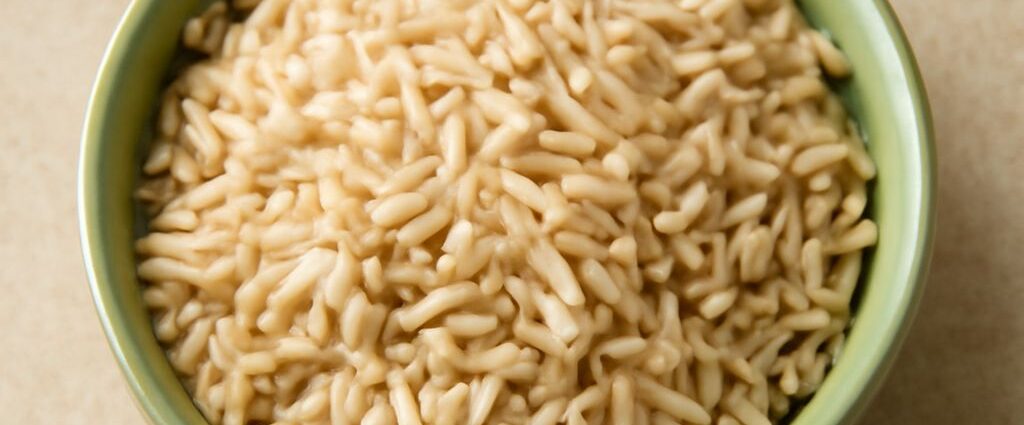
Brown rice is often hailed as a healthier alternative to white rice, but is brown rice truly healthy? This guide explores the nutritional benefits, comparisons with white rice, potential drawbacks, and how to incorporate brown rice into your diet. Let’s dive in to understand if brown rice is better than white rice and whether it fits well into a healthy lifestyle.
Nutritional Benefits of Brown Rice
Brown rice is a whole grain, meaning it retains all parts of the grain — the bran, germ, and endosperm. This structure allows brown rice to offer several nutritional advantages over refined grains like white rice.
- High in Fiber: Brown rice contains more fiber than white rice, promoting better digestion and aiding in weight management.
- Rich in Vitamins and Minerals: It is a good source of essential nutrients such as magnesium, phosphorus, selenium, thiamine, niacin, and vitamin B6.
- Low Glycemic Index: The lower glycemic index of brown rice helps regulate blood sugar levels, making it a favorable option for those with diabetes.
- Antioxidants: Brown rice contains various antioxidants that support overall health by combating oxidative stress.
Brown Rice vs. White Rice
When comparing brown rice and white rice, several factors illustrate why brown rice might be considered healthier. So, is brown rice healthier than white? Here’s a closer look:
- Processing: Brown rice is less processed than white rice, which has had the bran and germ removed, reducing nutrients.
- Nutrient Density: Brown rice retains more natural nutrients, whereas white rice is often enriched to replace lost nutrients.
- Impact on Blood Sugar: Due to its fiber content, brown rice has a gentler effect on blood sugar levels compared to white rice.
- Flavor and Texture: Brown rice has a nuttier flavor and a chewier texture, which some may prefer over the milder, softer white rice.
Potential Drawbacks of Brown Rice
While brown rice offers numerous benefits, it’s essential to consider some potential drawbacks to decide if it’s suitable for you.
- Phytic Acid: Brown rice contains phytic acid, which can inhibit the absorption of certain minerals. Soaking or sprouting the rice before cooking can mitigate this effect.
- Arsenic Content: Like many grains, brown rice can contain arsenic. It’s advisable to rinse rice thoroughly and use a higher water-to-rice ratio when cooking.
- Cooking Time: Brown rice takes longer to cook than white rice, which can be a consideration for those with time constraints.
How to Incorporate Brown Rice into Your Diet
Integrating brown rice into your meals can be simple and rewarding. Here are some tips to enjoy this nutritious grain:
- As a Side Dish: Serve brown rice alongside stir-fries, curries, or grilled meats for a healthy, balanced meal.
- In Salads: Use cold, cooked brown rice as a base for hearty grain salads, mixed with vegetables, nuts, and a tangy dressing.
- In Soups and Stews: Add brown rice to soups and stews to enhance texture and nutritional value.
- Breakfast Bowls: Cook brown rice with milk and spices like cinnamon for a wholesome breakfast porridge.
Frequently Asked Questions About Brown Rice
- Is brown rice bad for you? Generally, brown rice is not bad for you, but individuals with specific dietary needs or sensitivities should consider its phytic acid and arsenic content.
- How does brown rice help with weight management? The fiber in brown rice can help you feel fuller for longer, potentially reducing overall calorie intake.
- Can I substitute brown rice for white rice in recipes? Yes, but be prepared for a different texture and longer cooking time.









Comments are closed, but trackbacks and pingbacks are open.