
Thickness and baking time determine whether vegan cookies with ginger come out soft in the middle or crisp at the edges. Make thicker rounds and take them out while their centers still look slightly soft for a tender bite; flatten them a little more and give them extra time for a crisper finish.
These gingerbread cookies without eggs use molasses for their deep flavor and a ground flaxseed mixture to help hold the dough together. You can make either texture from the same batch, with no rolling pin or cookie cutters required.
Eggless gingerbread cookies: the recipe
Yield: About 24 cookies, using roughly 1 tablespoon of dough each.
Time: About 25 minutes of active preparation, plus at least 30 minutes chilling and 10 to 14 minutes baking per batch.
Ingredients
- 1 tablespoon ground flaxseed
- 3 tablespoons water
- 2 cups all-purpose flour (about 240 grams), spooned into the cup and leveled
- 2 teaspoons ground ginger
- 1 teaspoon ground cinnamon
- 1/4 teaspoon ground cloves
- 1 teaspoon baking soda
- 1/2 teaspoon fine salt
- 1/2 cup vegan butter, softened but still cool (1 stick; about 113 grams)
- 3/4 cup packed light brown sugar
- 1/4 cup unsulfured molasses, not blackstrap
- 1 teaspoon vanilla extract
- 2 tablespoons granulated sugar, for rolling
Choose stick-style vegan butter intended for baking. Softened butter should give slightly when pressed, while still holding its shape. If it is melted or greasy, chill it briefly before mixing; very warm fat can make the dough spread too quickly.
Method
- Make the flax mixture. Stir the ground flaxseed and water together in a small bowl. Let stand for 10 minutes, until thickened.
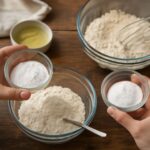
- Mix the dry ingredients. Whisk the flour, ginger, cinnamon, cloves, baking soda, and salt in a medium bowl until evenly distributed.
- Cream the fat and sugar. In a large bowl, beat the vegan butter and brown sugar for about 2 minutes, until the mixture looks lighter and fluffy. Scrape down the bowl. Beat in the molasses, vanilla, and thickened flax mixture until combined.
- Make and chill the dough. Add the dry ingredients and mix on low speed, or stir by hand, just until no dry flour remains. Cover and refrigerate for at least 30 minutes, until firm enough to scoop without sticking heavily to your hands.
- Prepare the oven. Heat the oven to 350°F. Line two baking sheets with parchment paper. Put the granulated sugar in a shallow bowl.
- Shape. Scoop level tablespoon portions and roll into balls. Roll each in sugar and place 2 inches apart on the prepared sheets. For soft centers, leave the balls rounded. For crisper cookies, flatten them gently to about 1/2 inch thick.
- Bake and cool. Bake one sheet at a time on the center rack. For soft centers, start checking at 10 minutes; remove when the edges are set and the centers still look a little soft. For crisper vegan ginger biscuits, bake about 12 to 14 minutes, until the edges are firmer and the tops look drier. Let cool on the sheet for 5 minutes, then transfer to a wire rack to cool completely.
For these vegan cookies with ginger, oven temperatures and baking sheets vary, so use the visual cues along with the clock. The centers continue to set on the hot sheet. Let the pan cool before adding another batch of dough; a hot pan starts melting the fat before the cookies reach the oven.
What makes the center soft or the edges crisp?
For vegan cookies with ginger, thickness changes how quickly heat reaches the center. A rounded portion spreads as it bakes, leaving a thicker middle that retains more moisture. Flattened dough has a shorter distance for heat to travel and more surface exposed, so it tends to bake through and crisp sooner. Keep the portions similar in size so they finish together.
Time matters just as much. For softer vegan ginger cookies, pull the sheet when the edges hold their shape but the middle still looks a touch underdone. The cookies should be sturdy enough to move after their rest on the sheet. For vegan gingersnap-style cookies, leave them in until the tops look dry and the edges are firm, watching closely during the last couple of minutes.
Brown sugar contains molasses and brings moisture as well as caramel flavor. The coating of granulated sugar adds a delicate crunch to the surface. Changing the balance of sugars can change spreading and texture, so start with the listed amounts before experimenting. The coating is thin enough to let the spice shine through; this is a cookie, not a snow globe.
Molasses also contributes moisture and flavor. Use regular unsulfured molasses, sometimes labeled original or mild, rather than blackstrap, which is much more bitter. Measure it in a lightly oiled measuring cup and it will slide out more easily. Scrape out the remainder so the proportions stay close to the recipe.
Mix and chill with care
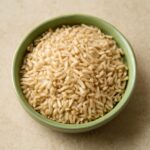
The flax mixture needs a few minutes to thicken before it joins the other ingredients. Ground flaxseed works here because it absorbs water readily. Whole seeds will not form the same cohesive mixture. If your flaxseed is stored in the freezer, measure it straight from the container and give it the full standing time.
Mixing the flour only until incorporated helps keep the cookies tender. Scrape the bottom of the bowl once and fold in any remaining streaks by hand. The dough for these vegan cookies with ginger will be soft at first, then easier to handle after chilling. If it still feels sticky, return it to the refrigerator for another 15 minutes rather than working a large amount of extra flour into it.
Chilling also gives the fat time to firm up. If the dough is refrigerated for several hours and becomes too hard to scoop, let it sit at room temperature just until a spoon can get through it. Keep the remaining dough cool while the first sheet bakes. Even a patient cookie can lose its shape on a warm afternoon.
Adjust the spice and shape
The recipe makes warmly spiced vegan ginger cookies with a noticeable ginger flavor. For a milder batch, reduce the ground ginger to 1 1/2 teaspoons. For a more pronounced bite, add up to 1/4 teaspoon more; taste is easier to build in the next batch than to take out of this one. Cinnamon rounds out the spice, while a small amount of cloves adds depth.
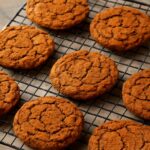
For egg-free gingerbread cookies with a little sparkle, use coarse sugar for rolling. It stays more visible on the surface than regular granulated sugar. The cookies may crack as they spread, revealing darker dough underneath. A few cracks are welcome, but their number depends on the dough and the oven; rely on the set edges and baking time to judge doneness.
If you prefer vegan gingersnap cookies with a firmer bite, flatten the portions and use the longer baking window. Let one cookie cool completely before judging its crispness: a warm cookie can feel soft even when it will become crunchy. For vegan cookies with a gingersnap crunch, leave the rest in for another minute if the cooled sample is too soft, keeping an eye on the edges.
This dough makes gingerbread cookies without eggs in a scoop-and-bake shape. If you want cutout shapes, choose a recipe formulated to be rolled; these cookies spread as they bake and their outlines will soften. A tablespoon scoop makes portioning quick, but an ordinary measuring spoon and your hands do the job just as well.
Serving and storing
Serve the cooled vegan cookies with ginger with tea, coffee, or a glass of unsweetened plant milk. Their spice is especially pleasant with a simple fruit dessert. For an easy plate to share, arrange them alongside orange slices and let their molasses flavor do the talking.
Store eggless gingerbread cookies in an airtight container at room temperature for up to 4 days. Keep soft and crisp batches in separate containers: moisture from the softer cookies can soften the crisp ones. For longer storage, freeze the completely cooled cookies in an airtight freezer container for up to 3 months. Thaw them at room temperature in the closed container, then open it once they are no longer cold.
You can freeze unbaked dough balls for gingerbread cookies made without eggs as well. Arrange them on a lined tray until firm, then transfer to a freezer bag for up to 3 months. Bake from frozen, allowing a little extra time and checking for the same signs of doneness. Roll them in sugar just before baking so the coating stays distinct.
Cool both batches completely before sealing: trapped warmth creates condensation and changes the texture.







Comments are closed, but trackbacks and pingbacks are open.