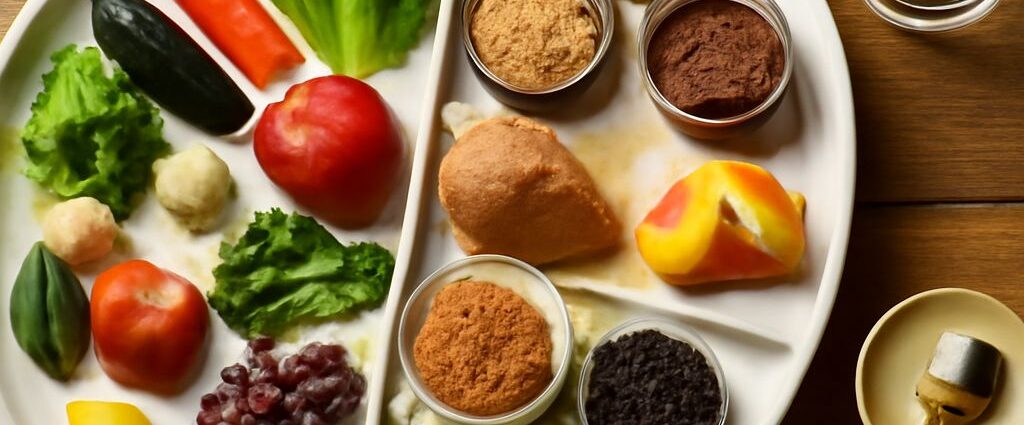
Start with beans, whole grains, vegetables, fruit, nuts, and seeds. A diet built around whole or minimally processed plant foods uses these ingredients as the foundation of everyday meals, with fewer refined products. Think oatmeal with berries, a bean-and-rice bowl, or lentil soup with vegetables.
The boundaries of a plant-centered diet of whole foods vary by source and by cook. Some versions exclude all animal foods and added oil; others describe a largely plant-based pattern with room for occasional animal foods or small amounts of oil. Ask which definition a particular recipe or program uses before applying its rules.
Plant based whole food diet: the basic idea
The emphasis is on foods close to their original form: potatoes rather than potato chips, rolled oats rather than a sugary oat pastry, and beans rather than a snack made chiefly from refined starch. Cooking, chopping, freezing, and canning are forms of processing too. They can make ingredients convenient and safe while leaving them recognizable and practical for a busy kitchen.
The phrase whole foods plant based diet often describes a way of eating centered on vegetables, fruit, legumes, whole grains, nuts, and seeds. How strictly someone limits animal products, refined flour, added sugar, or oil depends on the version they follow. There is no single universal ingredient list behind the label.
A plant based whole food diet can be as simple as a baked potato topped with black beans, salsa, and avocado. Each part helps: the potato makes a substantial base, beans add body and protein, salsa adds brightness, and avocado makes the topping creamy. Change the beans or vegetables with the season and the method still works.
Whole foods, processing, and the choices in between
A whole carrot is easy to recognize. A bag of frozen sliced carrots is still a practical plant food even though someone washed, cut, and froze it. Canned tomatoes, dried lentils, plain rolled oats, and natural peanut butter can also fit a minimally processed approach. Read the ingredient list for additions that matter to you, such as salt, sugar, or oil.
Compare foods by what has happened to them and what they contribute to the meal. Brown rice retains its bran and germ; white rice has had them removed. Applesauce can be unsweetened or contain added sugar. A can of chickpeas may contain only chickpeas, water, and salt; a packaged snack can contain refined starches, flavorings, and oils.
Some foods sit in the middle. Tofu is made by processing soybeans, yet it remains a common, protein-rich ingredient in many plant-centered kitchens. Whole-grain bread is ground and baked; it may make lunch much easier than a pot of intact grains. Fortified plant milk is processed too, but it can provide added nutrients. Decide how these foods fit your own approach rather than treating every processing step as a reason to discard them.
Oil illustrates the difference between definitions. Some whole-food plans omit extracted oils and cook with water or broth; others use a modest amount. Nuts, seeds, olives, and avocado offer fat in a food form. Choose the approach that fits the guidance you are following and the meal you want to make.
How this differs from vegan eating
A vegan diet excludes animal-derived foods. Veganism can also describe an ethical commitment that extends beyond food to clothing, cosmetics, and other choices. A person can eat vegan meals for many reasons, and a vegan label alone says little about how much processing a product has undergone.
A whole food vegan diet combines both ideas: it excludes animal ingredients and emphasizes whole or minimally processed plants. French fries and dairy-free cookies can be vegan, for example, but a menu made mostly from those foods would not reflect the usual whole-food emphasis. Conversely, someone who eats mostly whole plant foods but occasionally adds fish may call their pattern plant-based without describing it as vegan.
The difference matters when shopping for someone else. A vegan guest needs the animal ingredients left out, including items such as honey or dairy in a sauce. A guest following a whole-food vegan approach may also prefer a bean dip made without oil. Ask about their particular preferences, then offer the ingredient list; one short conversation beats guessing at dinner.
Stock a workable pantry
Build a small shelf of ingredients that can become several different meals. These are examples, not a required shopping list:
- Legumes: canned black beans and chickpeas, dried lentils, or frozen edamame. Rinse canned beans if you want to remove some surface salt, then add them to bowls, soups, and salads.
- Grains and starches: rolled oats, brown rice, quinoa, whole-grain pasta, potatoes, and sweet potatoes. Choose one quick option and one that can cook while you do something else.
- Vegetables: onions, carrots, leafy greens, and frozen broccoli or mixed vegetables. Frozen produce keeps a meal possible when the crisper is empty.
- Fruit: apples, bananas, citrus, and frozen berries. Use them in breakfast bowls, snacks, or a quick fruit topping.
- Nuts and seeds: walnuts, pumpkin seeds, ground flaxseed, or unsweetened nut butter. Keep them sealed; refrigerate ground flaxseed after opening to help preserve its flavor.
- Flavor builders: canned tomatoes, garlic, vinegar, lemon, herbs, spices, and low-sodium vegetable broth. Lemon or vinegar brightens beans and grains.
A whole plant based diet need not start with a major pantry overhaul. Use the rice, beans, and frozen vegetables already on hand, then add one ingredient that makes them more appealing. If you have only white rice today, it can still be part of dinner; try brown rice when you next shop if you enjoy it.
A day of meals to adapt
This example shows how a plant-based whole-food pattern can look across a day. Adjust portions and ingredients for your appetite, preferences, and circumstances; it is a menu illustration rather than an individual prescription.
Breakfast: Cook rolled oats in water or fortified unsweetened soy milk. Add a sliced banana, berries, cinnamon, and a spoonful of ground flaxseed or chopped walnuts. For a quicker morning, prepare the oats the night before and add fruit when serving.
Lunch: Layer brown rice, rinsed black beans, chopped tomatoes, shredded lettuce, and thawed corn in a bowl. Add lime juice and avocado. Warm the rice and beans first if you like a contrast with the cool vegetables. Leftover cooked grains make this a lunch that asks very little of you.
Snack: Pair an apple with peanut butter, or dip carrot sticks into hummus. Check the hummus ingredients if avoiding oil is part of your chosen approach; a simple homemade version can use chickpeas, lemon, garlic, and a little water.
Dinner: Simmer lentils with onion, carrots, canned tomatoes, and vegetable broth. Spoon the stew over a baked sweet potato and add steamed greens. Make extra lentils for tomorrow: they can fill a whole-grain wrap or be tossed with cooked pasta and a squeeze of lemon.
For a whole food plant based diet plan that suits your week, choose two breakfasts, two lunches, and two dinners you would actually enjoy. Write down the ingredients they share, then shop for those first. Repeating a good lunch is meal planning, not a failure of imagination.
Make the pattern nourishing and practical
Include a range of foods over the week. Beans, lentils, soy foods, nuts, and seeds provide plant protein; grains and starchy vegetables make meals satisfying; fruits and vegetables bring different flavors and nutrients. A plate of lettuce alone may leave you hungry soon afterward. Add chickpeas, cooked grains, and a tahini-lemon dressing to turn it into a substantial meal.
If you exclude animal foods, plan a reliable source of vitamin B12 through appropriately fortified foods or a supplement. Check labels because fortification varies. Calcium-set tofu, fortified plant milks, and some greens can contribute calcium; beans and lentils provide iron, and pairing them with vitamin C-rich foods such as peppers or citrus helps iron absorption. Iodine, vitamin D, and omega-3 fats also deserve attention. The NHS guide to a vegan diet explains several sources.
A registered dietitian can help tailor choices if you have specific nutritional needs, are pregnant, or are planning meals for a child. You can also make changes gradually: add a bean-based lunch once or twice a week, learn how you like it seasoned, and build from there.
Put the idea to work tonight
What is a whole food plant based diet in practice? Look at the meal rather than a list of forbidden ingredients. A pot of lentils, a grain, and vegetables can become soup, a salad, or a warm bowl depending on the seasoning and the time available.
A plant based whole foods diet is easier to maintain when ingredients are ready to use. Cook a pot of grains ahead, drain a can of beans, and wash a vegetable. Refrigerate cooked foods promptly in covered containers, and use leftovers within a few days or freeze them for later.
For your first plate, choose one food from the pantry, one legume, and one vegetable: try brown rice, canned black beans, and frozen peppers. Heat them together, add salsa or lemon, and taste before seasoning. Dinner has a starting point, and tomorrow you can change one ingredient to make it your own.



Comments are closed, but trackbacks and pingbacks are open.