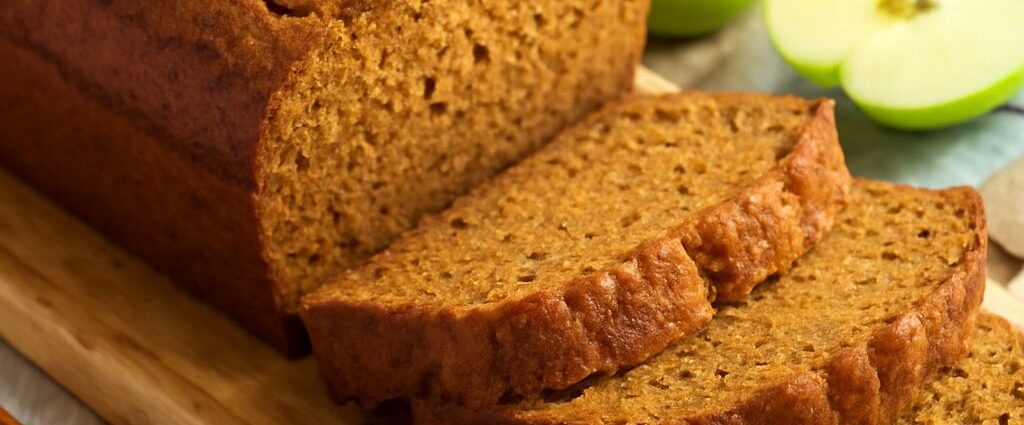
Pumpkin purée gives a loaf its earthy flavor, golden color, and substantial body; applesauce brings sweetness and moisture with a lighter fruit flavor. Use too much of either and the center can stay gummy, so this pumpkin loaf uses measured amounts of both rather than treating them as interchangeable.
This bread combines pumpkin and applesauce with a little oil, warm spices, and a ground flaxseed binder. The batter comes together in two bowls, and a patient cooling time makes the difference between neat slices and a crumb that clings to the knife.
Pumpkin applesauce bread: ingredients for one loaf
This recipe makes one 9-by-5-inch loaf, or about 10 slices. Allow 15 minutes for mixing, 55 to 70 minutes for baking, and at least 2 hours for cooling.
- 1 tablespoon ground flaxseed
- 3 tablespoons water
- 1 3/4 cups all-purpose flour (210 grams)
- 3/4 cup packed light brown sugar (about 160 grams)
- 1 teaspoon baking soda
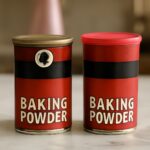
- 1/2 teaspoon baking powder
- 1/2 teaspoon fine salt
- 1 1/2 teaspoons ground cinnamon
- 1/2 teaspoon ground ginger
- 1/4 teaspoon ground nutmeg
- 1 cup plain pumpkin purée
- 1/2 cup unsweetened applesauce
- 1/3 cup neutral vegetable oil, plus a little for the pan
- 1 teaspoon vanilla extract
- 1/2 cup chopped walnuts or pecans, optional
Use canned 100% pumpkin purée, not pumpkin pie filling, which already contains sugar and spices. Plain, unsweetened applesauce lets you control the sweetness; a smooth variety gives the most even crumb. If yours is chunky, mash it briefly. If liquid has collected on top, stir it back in before measuring.
The flaxseed and water make a soft gel that helps bind the loaf without eggs. Use ground flaxseed: whole seeds will not thicken the mixture in the same way. Baking soda and baking powder supply lift, while the oil keeps the crumb tender. Cinnamon leads the spice blend, with ginger and nutmeg adding warmth. For a milder loaf, reduce the ginger to 1/4 teaspoon.
How to make the loaf
- Prepare the pan and oven. Set a rack in the center of the oven and heat it to 350°F. Lightly oil a 9-by-5-inch metal loaf pan. Line the long sides and bottom with parchment, leaving a little overhang to lift the loaf out, and oil the short ends.
- Make the binder. Stir the ground flaxseed and water in a small cup. Set aside for 10 minutes, until thickened. Meanwhile, measure the remaining ingredients.
- Mix the dry ingredients. In a large bowl, whisk the flour, brown sugar, baking soda, baking powder, salt, cinnamon, ginger, and nutmeg. Break up any hard sugar lumps with your fingers so they disperse through the batter.
- Mix the wet ingredients. In a second bowl, whisk the pumpkin purée, applesauce, oil, vanilla, and thickened flax mixture until evenly combined.
- Combine gently. Pour the wet mixture into the dry ingredients. Fold with a flexible spatula just until no dry flour remains, scraping the bottom of the bowl. Fold in the nuts, if using. The batter should be thick and spoonable, not pour like milk.
- Bake. Spread the batter evenly in the pan. Bake for 55 to 70 minutes, checking from 55 minutes. The top should spring back lightly when touched, and a toothpick inserted into the center should come out with a few moist crumbs but no wet batter. Test a second spot if the first toothpick hits a nut.
- Cool. Let the loaf stand in the pan for 15 minutes. Loosen the ends, lift it out using the parchment, and place it on a rack. Cool completely, at least 2 hours, before slicing with a serrated knife.
A crack along the top is normal: the outside sets while the center continues to rise. If the top browns deeply before the middle is done, lay a loose piece of foil over it and continue baking. Keep the foil clear of the batter so it does not stick to the loaf.
Why the two purées behave differently
Pumpkin purée is thick and mildly savory. It gives pumpkin bread with applesauce its familiar color and flavor, but it also adds a good deal of moisture. Applesauce is usually looser and sweeter, so it softens the crumb and contributes a subtle fruit note. It does not turn the loaf into apple cake; the spices and pumpkin remain in charge.
Measure each purée separately, leveling it in a dry measuring cup. If using homemade pumpkin, choose a thick purée similar to canned pumpkin. Let a watery batch drain in a fine-mesh strainer until it is spoonable rather than runny; do not press it completely dry. Very thin purée changes the balance of the batter and can lengthen baking time.
Pumpkin applesauce bread depends on that balance. Adding an extra scoop of applesauce for tenderness also adds water, and the middle may struggle to set before the edges are done. If you want a stronger apple flavor, serve the cooled slices with a spoonful of applesauce instead of adding more to the batter.
Mixing and pan choices that help the center bake
Flour is easiest to measure by weight. Without a scale, fluff it in the bag, spoon it into the cup, and level the top with a straight edge. Scooping directly with the cup can pack in extra flour and make the bread heavy. Whisking the leaveners through the flour helps distribute them before the wet ingredients arrive.
Stir only until the last dry streak disappears. A few small lumps are fine. Vigorous beating develops more gluten and can make a quick bread chewy; it also leaves you with an unnecessarily energetic arm workout. Scrape the bottom once or twice so a hidden pocket of flour does not end up in a slice.
A light-colored metal pan heats predictably. A darker pan may brown the outside sooner, so start checking early and use foil if needed. An 8 1/2-by-4 1/2-inch pan makes a deeper loaf that may take longer; do not fill the pan more than about two-thirds full. Bake any extra batter separately in a lined muffin cup and check it much earlier.
Place the pan on the center rack, where air can circulate. Oven temperatures vary, so use the time as a window and the toothpick and surface as your cues. Opening the door repeatedly early in the bake releases heat; wait until the first suggested check before taking a look.
Adjustments, serving, and storage
In a healthy pumpkin bread recipe, applesauce can replace some of the oil used in a richer loaf while contributing moisture and sweetness. Here a modest amount of oil remains for tenderness. For a pumpkin bread recipe with applesauce and less sugar, keep the unsweetened applesauce and reduce the brown sugar by a few tablespoons; changing it more substantially may alter the texture.
For a different take on this pumpkin loaf with apple purée, swap the nuts for the same amount of dairy-free chocolate chips, or leave additions out entirely. Fold them in at the end rather than stirring the batter longer. Check the label on chocolate if you want every ingredient to be vegan. The loaf is pleasantly spiced as written, so taste the finished bread before adding a glaze.
Once the loaf is fully cool, wrap it tightly or keep it in an airtight container at room temperature for up to 2 days. For longer storage, freeze individual slices, well wrapped, for up to 3 months. Thaw at room temperature or warm a slice gently in a toaster. Wrapping while warm traps steam and can make the surface sticky.
Serve pumpkin bread with applesauce plain, toasted, or spread with a little nut butter. For a brunch plate, add fresh fruit alongside it. A slice is sturdy enough for a lunchbox once fully cooled; wrap it separately to keep it from drying out.
If you are comparing a healthier pumpkin loaf made with applesauce to a traditional oil-rich version, expect a soft, slightly dense crumb rather than a fluffy layer cake. This apple-and-pumpkin bread slices best after it rests; waiting also gives the moisture time to settle through the loaf.
If the middle looks wet
A moist crumb has small, tender crumbs that cling to the tester; a wet center leaves a shiny smear of batter. The top may look brown while the middle still needs time. Insert the toothpick into the thickest part and then into another nearby spot, especially if you have added nuts or chocolate.
If batter clings to the tester, return the loaf to the oven for 5 to 10 minutes and test again. Cover the top loosely with foil if it is already well browned. Let the finished loaf cool fully before cutting: a hot slice can look gummy even after baking. If a cooled loaf has a visibly raw center, return it to the pan, cover loosely with foil, and bake at 350°F until the center tests free of wet batter; the edges may become drier during the extra time.




Comments are closed, but trackbacks and pingbacks are open.