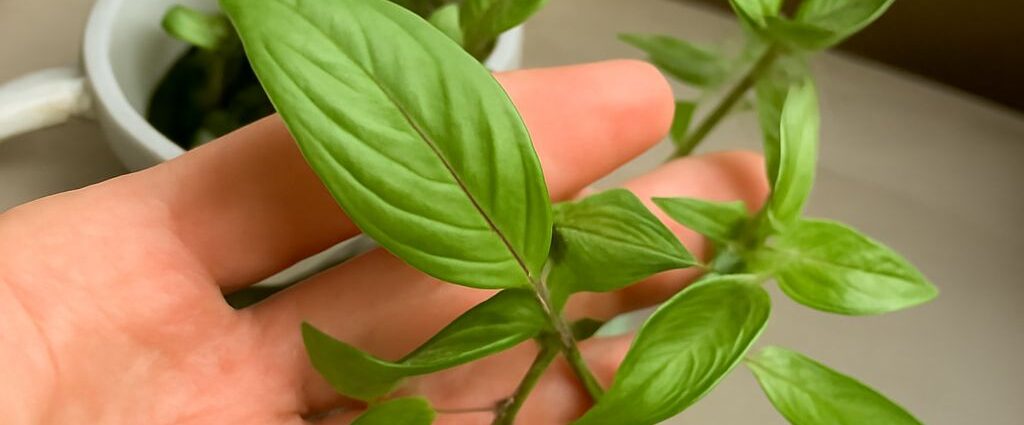
A handful of this fragrant herb can turn a simple bowl of noodles into a dish with a sweet, peppery lift and a scent reminiscent of anise. Thai-style basil plants offer that character in their leaves, whether those leaves are scattered over a finished bowl or briefly folded into a hot stir-fry.
The name can be confusing at the market, especially beside familiar Italian basil. A quick look at the stems and leaves, followed by a gentle sniff, helps you choose the right bunch and decide how much to use. It also makes substitutions easier when the precise herb is not available.
Thai Basil Plant: What to Look For
A typical thai basil plant has narrow, pointed green leaves and purplish stems. These Thai-style basil plants are fragrant. Its flowers, when present, are often purple or pinkish purple. The scent is sweet and spicy, with a licorice-like note. These are useful clues, although individual plants vary, so color alone is not a perfect identification test. Iowa State University Extension describes the plant’s appearance and flavor alongside other basil varieties.
At the store, look for fresh, springy leaves without extensive dark patches or slimy areas. A few small blemishes are less important than a bunch that smells lively and feels firm. If a package is closed, check for excess moisture or crushed leaves. At a farmers market or Asian grocery, ask the seller what variety is in the bunch if the label is unclear.
You may see thai sweet basil or sweet thai basil used for this type. Both names help distinguish its fragrant, sweet-spicy profile from other basils, but labels are not always consistent. A label reading tai basil may be a spelling variant; use the plant’s appearance and aroma as well as the name before deciding what you are buying.
The broad term asian basil is less specific. Several distinct basils are used across Asian cuisines, and they do not all smell or cook alike. A more precise name is useful when you are following a recipe that relies on a particular flavor.
How It Differs From Familiar Sweet Basil
The sweet basil common in many U.S. supermarkets often has broad, soft leaves and a sweet, fresh aroma. It is the basil many cooks associate with tomato salad and pesto. Sweet basils from Thailand generally have narrower leaves and a more pronounced anise-like, lightly peppery character. Neither is a stronger version of the other in every dish; each changes the flavor in a different direction.
That difference becomes clear in a simple comparison. Place a leaf of each variety beside a bowl of hot rice, tear them, and smell them. The familiar basil tends toward a softer, sweeter fragrance; the other offers a sharper aromatic note. Taste a small piece if you like. Aroma varies with freshness and growing conditions, so the comparison is more useful than expecting every bunch to taste identical.
The Thai variety also tends to stand up better to brief cooking than tender Italian sweet basil. It still benefits from a short stay in the pan: long cooking dulls its fragrance and darkens the leaves. Add it near the end, then let the remaining heat do a little of the work.
Holy basil, often called kaphrao or tulsi, is a different herb with its own peppery, clove-like character. Lemon basil has a citrus scent. A recipe may specify one of these because its flavor is important to the dish. If only the Thai variety is available, it can make a pleasant substitute in some recipes, but the result will not taste exactly the same.
Prepare the Leaves Without Losing Their Aroma
Keep the bunch intact until you are ready to cook. Inspect it, remove any damaged leaves, and rinse the usable leaves gently under cool running water. Pat them dry with a clean towel or spin them gently in a salad spinner. Wet leaves added to hot oil can make it sputter, and excess water can dilute a quick sauce.
Pull the leaves from the thicker stems. Tender tips can be used too, but woody or tough stems are better left out of a quick stir-fry. Keep small leaves whole; tear larger ones just before adding them to the pan. Cutting or tearing exposes more surface to air, so doing it at the last moment helps preserve the aroma. A whole thai basil leaf makes an attractive garnish and gives a concentrated burst of flavor when bitten.
Start with a modest handful for a dish serving two or three people. The exact amount depends on the freshness of the bunch and the other seasonings. Taste, then add more at the table if you want a brighter herbal note. A generous pile can be delicious, but it should not have to shout over everything else in the bowl.
Make a Quick Tofu and Vegetable Stir-Fry
This flexible method gives the herb room to be noticed. Serve it over cooked rice or rice noodles. For two generous servings, gather:
- 14 ounces extra-firm tofu, drained and cut into small cubes
- 1 tablespoon neutral oil, plus a little more if needed
- 2 cups bite-size vegetables, such as bell pepper and green beans
- 2 garlic cloves, finely chopped
- 1 small fresh chile, sliced, or less to taste
- 2 tablespoons soy sauce or tamari
- 1 teaspoon brown sugar
- 2 tablespoons water
- 1 loosely packed cup fresh basil leaves, plus a few for serving
- Lime wedges and cooked rice, for serving
Pat the tofu dry. Mix the soy sauce, sugar, and water in a small bowl so the sauce is ready before the pan heats. Keep the leaves nearby; a stir-fry moves quickly, and nobody needs to be searching for herbs while garlic browns.
Heat a wide skillet over medium-high heat. Add the oil and tofu in a single layer. Let the pieces cook until lightly golden on one side, then turn and brown a few more sides, about 6 to 8 minutes in all. Transfer to a plate. The tofu need not be perfect cubes of gold; a few crisp edges and a warm center are enough.
Add the vegetables to the pan with a little more oil if needed. Stir-fry until bright and just tender, about 3 to 5 minutes, depending on their size. Add the garlic and chile and stir for about 30 seconds, until fragrant. Return the tofu to the pan, pour in the sauce, and toss until everything is coated and heated through.
Turn off the heat and fold in the leaves. They should wilt while retaining a fresh scent, not disappear into the sauce. Serve over rice with lime wedges and the reserved leaves. Check soy sauce labels if a gluten-free meal is needed, and use a tamari labeled gluten-free. The dish is vegan as written; avoid fish sauce or oyster sauce unless a plant-based version is specifically labeled as such.
Other Ways to Use a Bunch
A thai basil herb garnish can enliven a bowl of vegetable broth or a coconut-milk soup. Add the leaves after the bowl is served so the steam releases their aroma. Sliced mushrooms, tofu, lime, and chile offer a useful mix of savory, tart, and spicy flavors around that herbal note.
For a cold noodle salad, toss cooked, cooled rice noodles with cucumber, shredded carrot, baked tofu, lime juice, and a little soy sauce. Fold in the leaves just before serving. A spoonful of chopped peanuts adds crunch; leave them out when cooking for someone with a peanut allergy.
The leaves also work with eggplant, green beans, tomatoes, or corn. In a vegetable curry, add them at the end rather than simmering them from the beginning. In a sandwich, tuck in a few whole leaves with sliced cucumber and marinated tofu. The flavor is distinctive enough that a small amount can make an ordinary lunch more interesting.
Store It and Choose a Substitute
For a bunch with stems, trim the ends and stand them in a glass with about an inch of water, like a small bouquet. Keep it at room temperature away from direct sun and change the water daily. Basil is sensitive to cold and can darken in the refrigerator; University of Maine Extension recommends the water-and-counter approach. Use the leaves while they are fragrant and discard any that become slimy or spoiled.
If you cannot find the Thai variety, use ordinary sweet basil for its fresh herbal quality, starting with a similar amount and tasting as you go. The anise note will be less pronounced. A little mint can add freshness, but it changes the flavor rather than reproducing it. Avoid adding anise seed automatically: its concentrated sweetness can dominate a savory dish.
Dried basil is convenient for a long-simmered sauce but cannot fully replace the fresh leaves’ texture and aroma in a finishing garnish. If a recipe depends on that fresh lift, a different fresh herb may make a better dish than a dried substitute. Choose the result you want, then adjust the other seasonings around it.
For your next meal, pick up a fresh bunch, tear one leaf, and smell it before adding a handful to a hot pan of vegetables and tofu.








Comments are closed, but trackbacks and pingbacks are open.