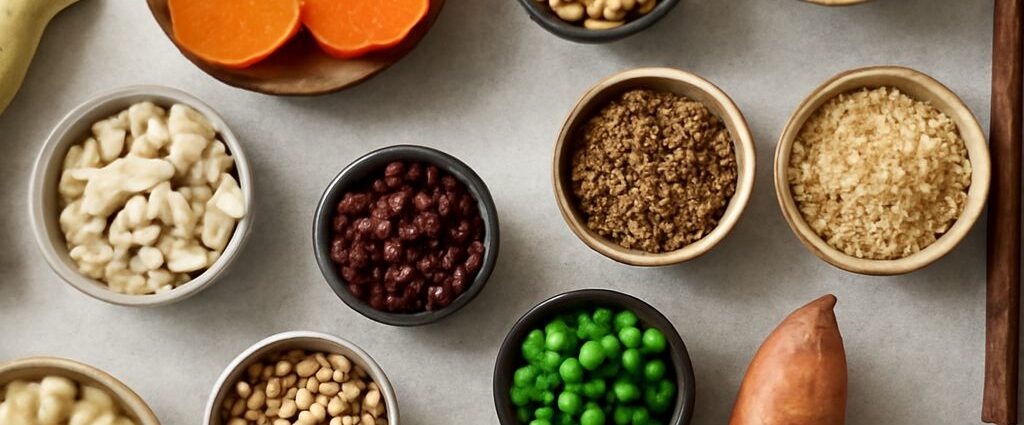
Starchy foods play a significant role in many diets, including vegetarian ones. They provide essential energy and nutrients, yet understanding their effects on health can be confusing. This article explores starchy foods, their benefits, potential downsides, and which starches to choose or avoid.
What Are Starchy Foods?
Starchy foods are rich in carbohydrates, which are the body’s primary energy source. Common examples include potatoes, corn, rice, bread, pasta, and certain legumes like lentils and beans. These foods contain varying amounts of starch, a type of carbohydrate composed of glucose molecules linked together.
Starches are present in both whole foods and processed items. Whole foods, such as sweet potatoes and quinoa, offer additional nutrients and fiber. In contrast, processed foods like white bread and pastries may lack these benefits due to the refining process.
Benefits of Including Starches
Incorporating starches into a vegetarian diet can provide several essential benefits:
- Energy Supply: Starches break down into glucose, which fuels the body and brain, supporting daily activities and cognitive functions.
- Fiber Content: Whole starches, such as brown rice and oats, offer dietary fiber that aids digestion and promotes gut health.
- Essential Nutrients: Many starchy foods are rich in vitamins and minerals. For instance, potatoes provide vitamin C, while legumes offer iron and folate.
- Satiation: Starches can create a feeling of fullness, helping to control appetite and support weight management.
Is Starch Bad for You?
While starches are valuable, excessive consumption or choosing the wrong types can lead to problems. Consuming too many highly processed starches, such as white bread and sugary cereals, may contribute to weight gain and increase the risk of chronic diseases like type 2 diabetes.
However, when consumed in moderation and chosen wisely, starches are not inherently bad. Opting for whole, unprocessed starches ensures a balance of nutrients and helps maintain stable blood sugar levels.
Starch Foods to Avoid
To maximize health benefits while minimizing risks, consider avoiding or limiting the following starchy foods:
- Refined Grains: White bread, pastries, and many breakfast cereals are stripped of fiber and nutrients.
- Fried Starches: French fries and potato chips are high in unhealthy fats and calories.
- Sugary Snacks: Many snack bars and baked goods contain added sugars and refined starches.
These foods can lead to quick spikes in blood sugar and provide little nutritional value compared to their whole counterparts.
Choosing the Right Starches
Selecting the right starches can enhance your diet and overall health:
- Whole Grains: Options like brown rice, quinoa, and whole wheat bread are nutrient-rich and fiber-packed.
- Legumes: Beans, lentils, and chickpeas offer protein, fiber, and various vitamins and minerals.
- Root Vegetables: Sweet potatoes and beets are excellent sources of complex carbohydrates and nutrients.
By prioritizing whole, unprocessed starchy foods, you can enjoy their benefits while supporting a balanced and nutritious vegetarian diet.








Comments are closed, but trackbacks and pingbacks are open.