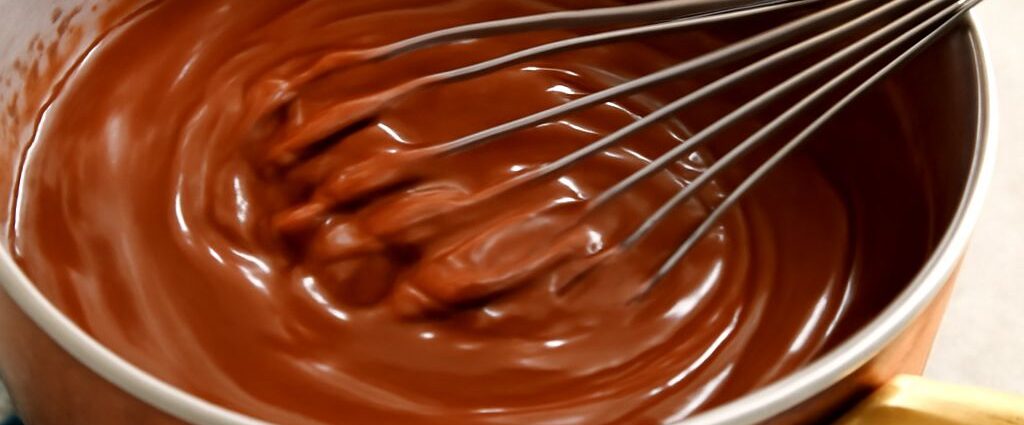
A bowl of chocolate pudding should be glossy, creamy, and thick enough to mound softly on a spoon. This stovetop version uses cornstarch to thicken whole milk and cocoa, with no eggs to separate or custard to strain unless you want an especially polished finish.
The method for making pudding with cornstarch begins with cold milk: whisk a little into the dry ingredients before heating. Then stir steadily as the mixture thickens. After a brief simmer and a chill, the result is a dessert that holds its shape on the spoon while staying soft enough to enjoy straight from the bowl.
Cornstarch pudding recipe: ingredients and equipment
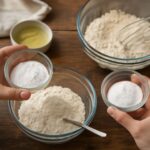
This makes about 4 small servings. Allow 10 to 15 minutes at the stove and at least 2 hours to chill. You will need a medium heavy-bottomed saucepan, a whisk, a flexible heatproof spatula, and four small serving dishes or one shallow container.
- 2 cups whole dairy milk, divided
- 1/3 cup granulated sugar
- 1/4 cup unsweetened cocoa powder
- 3 tablespoons cornstarch
- 1/8 teaspoon fine salt
- 1 tablespoon unsalted butter
- 1 teaspoon vanilla extract
Natural or Dutch-process unsweetened cocoa can be used; choose one whose flavor you enjoy. Whole milk gives this batch a rounded, creamy texture. The recipe has been written for that milk, and plant milks vary in fat, protein, and added ingredients. For a dairy-free pudding, choose a recipe developed for the particular milk you plan to use rather than assuming every carton will set the same way.
The butter adds a little richness and shine, while vanilla rounds out the cocoa. Measure the cornstarch with a level spoon. Too little can leave the mixture loose; too much may make it firm and pasty after chilling.
How to make the pudding
- Combine the dry ingredients. In the unheated saucepan, whisk the sugar, cocoa, cornstarch, and salt until the cocoa and starch are evenly distributed. Break up any cocoa lumps with the whisk.
- Make a smooth mixture. Slowly whisk in 1/2 cup of the cold milk, working out lumps to make a smooth paste. Gradually whisk in the remaining 1 1/2 cups milk, scraping the corners of the pan.
- Heat and stir. Set the pan over medium heat. Whisk frequently as the mixture warms, then continuously as it begins to steam and thicken. Sweep across the bottom and into the edges so the milk does not catch.
- Cook until thick. When large bubbles rise and break across the surface, lower the heat enough to maintain a gentle bubble. Whisk for 1 minute, then remove the pan from the heat. The pudding should coat the back of a spoon; a finger drawn across the coating should leave a visible path.
- Finish. Whisk in the butter and vanilla until smooth. If you see a few lumps, pour the warm pudding through a fine-mesh strainer into a clean bowl, pressing gently with a spatula.
- Chill. Divide among four dishes or transfer to a shallow container. Press food-safe wrap directly onto the surface if you prefer no skin. Refrigerate promptly, within 2 hours of cooking, until cold and set, at least 2 hours.
The mixture will be looser when hot than when cold. It should already be noticeably thick before it leaves the stove; chilling firms it further but will not reliably turn a milky liquid into pudding. Let a spoonful cool for a moment if you want to judge the texture without risking a burnt tongue.
Why cold milk and steady whisking matter
Cornstarch is a fine powder that can clump when it meets hot liquid. Dispersing it in cold milk first separates the particles so they can absorb liquid more evenly as the pan warms. Combining it with the sugar and cocoa before adding milk also helps prevent dry pockets from hiding in the corners.
As the mixture heats, starch granules absorb liquid and swell. You will notice the whisk beginning to leave tracks, then the pudding will change from thin and fluid to a smooth, thick sauce. Keep whisking right across the base. A heavy pan distributes heat more evenly, but it cannot stir itself, however promising that would be.
For this chocolate cornstarch pudding, look for bubbles across the surface rather than only a little steam at the edge. The short bubbling period gives the starch time to cook and thicken. A gentle heat is enough; a fierce boil can scorch the milk on the bottom before the center of the pan is ready.
If a lump appears, try whisking it out before the mixture thickens fully. A fine strainer can remove small stubborn pieces after cooking. For a scorched bottom, immediately pour the unburned pudding into a clean bowl without scraping up the dark layer. If the burnt flavor has spread through it, make a fresh batch.
Texture: from warm sauce to chilled dessert
A cornstarch pudding recipe is easiest to judge in two stages. At the stove it should coat a spoon and hold a clear line when you draw a finger across the coating. After refrigeration it should be cool, thicker, and softly spoonable. It will not have the firmness of a gelatin dessert, and that is part of its charm.
If you like a warm pudding, serve a portion after it has cooled enough to eat comfortably. It will flow more readily than the chilled version. To serve it cold, allow at least 2 hours in small dishes; a deeper container may take longer to cool and set. Shallow dishes help the heat leave more quickly.
A skin forms as the exposed surface cools and dries. Some people enjoy that layer; others prefer the smooth surface beneath it. Pressing wrap directly onto the warm pudding limits contact with air. If you prefer not to use wrap against food, cover the container normally and accept a thin skin or stir it gently into the pudding before serving.
Stirring a set batch makes it smoother and slightly looser. Spoon it into serving bowls gently if you want a neat mound. The pudding should not be whipped vigorously after it sets; a few folds are enough to loosen it for serving.
Cocoa choices and serving ideas
Unsweetened cocoa supplies the chocolate flavor without adding extra sugar. Natural cocoa is often a little more acidic and bright; Dutch-process cocoa tends to taste smoother and darker. Individual brands differ, so let your own preference guide the choice. This recipe does not depend on cocoa’s acidity for leavening.
For a little contrast in this chocolate pudding made with cornstarch, top each serving with whipped cream and chocolate shavings. Sliced strawberries or raspberries add a fresh note; put them on just before serving. Toasted nuts can add crunch, but identify them for anyone sharing the dessert. A pinch of flaky salt over the finished bowl can sharpen the chocolate flavor without changing the pudding’s texture.
This cornstarch chocolate pudding is a single cooked mixture, unlike a layered dessert assembled with cookies, cake, or alternating fillings. You can use it as one component in such a dessert once cooled, but the layers are optional. If making a trifle, let the pudding cool and set first so it does not melt a cream layer or soak the cake too quickly.
Make ahead and keep it cold
Portion the cooked mixture into shallow dishes, cover, and refrigerate promptly at 40°F or below. Small portions chill faster than a deep pot. FoodSafety.gov recommends refrigerating perishable leftovers within 2 hours, or within 1 hour when the surrounding temperature is above 90°F. Use refrigerated pudding within 3 to 4 days.
Keep toppings separate until serving where practical. Fruit releases liquid as it sits, and crunchy nuts or cookie crumbs will soften against the pudding. Use clean spoons to portion it, then return the remaining dishes to the refrigerator. For a party, bring out a few servings at a time rather than leaving the whole batch on the table for the afternoon.
Freezing can change a starch-thickened pudding’s texture after thawing, sometimes making it watery or uneven. For the silkiest result, make an amount you can enjoy during the refrigerated storage window. The short cooking time makes this recipe for pudding thickened with cornstarch practical for a fresh batch.
If the pudding stays thin
If the mixture still runs off the spoon like chocolate milk, it likely needs more cooking. Return it to medium heat and whisk until large bubbles break across the surface, then maintain a gentle bubble for 1 minute. Scrape the bottom as you work and check the coating on the spoon again. Remember that it thickens further as it cools.
If it has already been chilled and remains very loose, return it to a clean pan and heat gently while whisking until it bubbles and thickens; cool and refrigerate it promptly again. If measured cornstarch was omitted or substantially reduced, extra cooking alone cannot supply the missing starch. For the next batch, measure the full amount and mix it with cold milk before heating.






Comments are closed, but trackbacks and pingbacks are open.