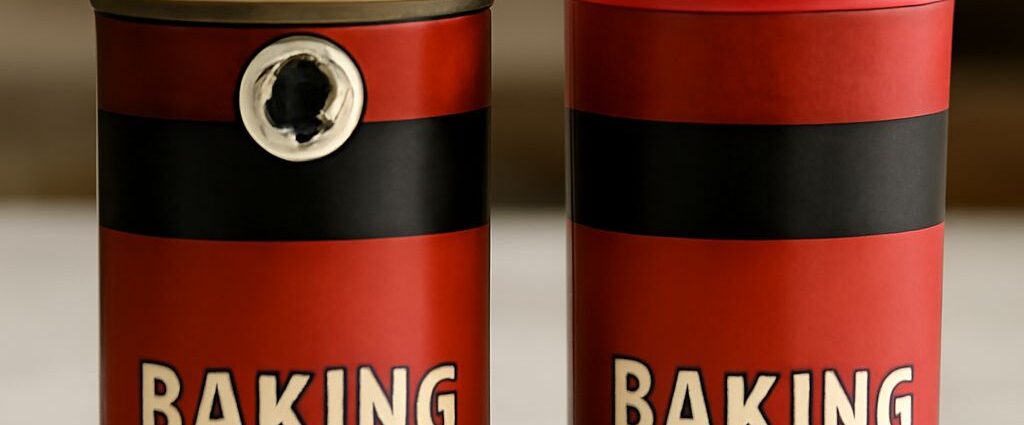
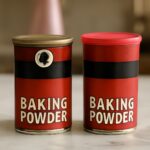
Two cans of baking powder can raise the same batch of muffins while using different acidic ingredients. One may contain an aluminum-bearing acid salt; another may use acids without aluminum. Both combine an acid with baking soda to produce gas, but their ingredient lists and sometimes their flavor can differ.
If you want a baking powder made without aluminum compounds, look for that wording on the package and read the ingredients. Also check whether it is double acting, particularly when a recipe expects a standard commercial leavener. The label gives you more useful information than the color of the can ever will.
Baking powder, aluminum free and ready for your recipe
To make baking powder aluminum free, manufacturers select leavening acids that do not contain aluminum. Common examples include monocalcium phosphate and cream of tartar; formulas vary, and a product can contain more than one acid. Baking soda supplies the alkaline component, while a starch is often added to help keep the mixture dry and free flowing.
A can labeled aluminum free baking powder can be used in recipes that call for baking powder when its instructions suit the recipe. Check the label for the type and any specific directions. Most everyday recipes assume a commercial double-acting product, but a single-acting blend behaves differently when a batter rests.
In a double-acting powder, some gas is released when moisture reaches the ingredients and more becomes available during baking. This helps a batter rise as it warms and sets. It does not mean a mixed batter should sit indefinitely: for reliable results, follow the recipe’s mixing and baking times.
What the acidic ingredients do
Baking powder is a prepared leavening mixture. Once it gets wet, its acid and alkaline components react and release carbon dioxide. The gas expands bubbles in a batter or dough, helping muffins, pancakes, biscuits, and cakes rise as their structure sets. Starch helps separate the reactive ingredients during storage and absorbs some moisture.
Manufacturers can use different leavening acids to control when the reaction happens. Some work readily when moistened; others react more slowly or with heat. A double-acting product is formulated to release gas in stages. The exact mix depends on the manufacturer, so two double-acting cans need not have identical ingredient lists.
Some formulas include sodium aluminum sulfate or sodium aluminum phosphate. These are acid salts used as part of the leavening system, not pieces of metal in the batter. Other formulas use acids that contain no aluminum. The term aluminum in baking powder refers to such ingredients when they appear in the formula; read the actual list to identify them.
For a practical example, a muffin batter may begin to develop bubbles as the wet and dry ingredients meet. In the oven, heat helps the mixture rise further while flour, starch, and any eggs set around those bubbles. Correct measuring, a preheated oven, and the rest of the recipe all affect the final height as well as the powder itself.
How to read the package
Start with the product name: you want baking powder, not another white powder sold nearby. Then look for a statement that the product contains no aluminum. If the front label is unclear, turn the can around and read the ingredient list. Names containing “aluminum,” such as sodium aluminum sulfate, indicate an aluminum-bearing ingredient.
Baking powder without aluminum may list baking soda, monocalcium phosphate, and cornstarch, for example. Another brand may use a different acid or starch. Ingredient lists and recipes can change, so check the package you are holding rather than relying on the color or a remembered brand name. If an ingredient name or claim is unclear, contact the manufacturer for that specific product.
On an imported package, aluminium free baking powder uses the British spelling of aluminum. The wording describes the same absence of aluminum ingredients; check the rest of the label for the formulation and directions. In the United States, “aluminum” is the usual spelling.
If you need to avoid a particular starch or another ingredient, read the whole list as well. A product’s aluminum claim tells you about that property, not whether it contains corn or meets a separate dietary requirement. A manufacturer may offer allergen information on the container or its website.
Will the flavor change?
Some bakers notice a metallic or slightly bitter taste from certain leavening formulas, especially in delicately flavored foods. Sensitivity varies, and the amount used, the recipe, and other ingredients also influence what you taste. An aluminum-free baking powder is one option if you want to compare flavors in a favorite biscuit or pancake recipe.
Use the same recipe and measure carefully when comparing two products. Make small batches, use fresh powder in each, and change only the leavener. This makes the result easier to interpret than comparing a lemon cake made on Monday with chocolate muffins made on Friday. Let both samples cool to the same temperature before tasting.
Too much baking powder can also leave an unpleasant taste or cause a cake to rise quickly and then fall. Level the measuring spoon rather than adding an enthusiastic heap. Mix the measured powder thoroughly through the dry ingredients, so one bite does not receive a disproportionate share.
The choice between acid systems is a culinary and formulation question here. The presence or absence of a particular ingredient on its own does not establish a medical outcome. Pick a product for its label, behavior, flavor, and fit with your cooking needs.
Single acting, double acting, and timing
A single-acting blend starts its main reaction when moistened. For a batter made with one, get the oven and pan ready before mixing, and bake promptly unless the product or recipe directs otherwise. A double-acting powder is designed for gas release at more than one stage, with part of its action occurring in the heat.
These terms describe reaction timing, not whether a powder contains aluminum. A non aluminum baking powder can be double acting, and an aluminum-containing formula can be double acting too. Check each can instead of using one label claim to infer the other.
Suppose a recipe asks you to mix muffin batter and bake it immediately. A fresh commercial product matching the stated type is an appropriate choice; a homemade single-acting mix may behave differently if the batter waits. If a recipe specifically calls for a rest, follow its tested directions and the leavener type it specifies. Changing several things at once makes a disappointing result harder to diagnose.
Measure, store, and check freshness
Keep the can tightly closed in a cool, dry cupboard. Use a dry spoon; steam from a pot or a damp measuring spoon can introduce moisture. Close the container promptly after measuring, and check the date and any storage instructions printed by the manufacturer.
To test an older can, King Arthur Baking suggests stirring 1/2 teaspoon of baking powder into 2 tablespoons of warm water. It should bubble and foam. A weak reaction is a reason to replace the powder before using it in a cake that depends on it for lift. Use a small bowl, and discard the mixture after the test.
This check shows that the powder reacts with water; it is a practical freshness check, not a measurement of every stage of a particular formula. If the powder bubbles but your cake still rises poorly, check the recipe’s quantities, mixing technique, oven temperature, and pan size. A very full or unusually wide pan can change the result too.
For a product without aluminum compounds, follow the same dry-storage habits. Switching types will not revive a can that has absorbed moisture over months beside a steaming kettle. The cupboard is a better home than the shelf directly over the stove.
A quick choice at the shelf
Choose a powder without aluminum-containing acid salts if that is your preference, and confirm the claim against the ingredients. Compare the acid names and look for a double-acting label when the recipe calls for it. For a non-aluminum version of baking powder, use the quantity and timing in the recipe and check freshness if the can has been open for a while. With the right can and a level spoon, you are ready to mix.









Comments are closed, but trackbacks and pingbacks are open.