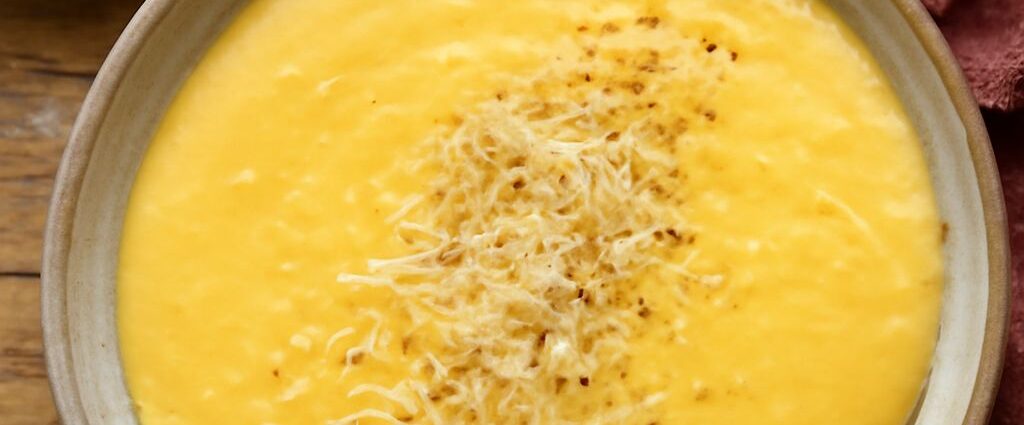
Polenta is a versatile and beloved dish, rooted in Italian cuisine, and is made primarily from cornmeal. It’s a staple that can be prepared in various forms, offering both simplicity and depth to any meal. Whether you’re exploring polenta for the first time or looking to master a baked polenta dish, this guide covers everything you need to know. Let’s delve into the world of polenta, from its basic ingredients to the nuances of baking it.
What is Polenta?
Polenta is a traditional Italian dish that has been cherished for centuries. Essentially, it is a porridge made from cornmeal, which has become a staple in Italian kitchens. Originally, polenta was a peasant food, providing nourishment with its filling and hearty texture. Over time, it has evolved into a versatile ingredient that can be served creamy, grilled, or baked.
Polenta Ingredients and Preparation
The basic ingredients for making polenta are simple: cornmeal, water, salt, and sometimes butter or cheese for added flavor. The type of cornmeal used can significantly influence the texture and taste of the final dish. Coarse ground cornmeal is typically preferred for its ability to create a robust, grainy texture, whereas fine cornmeal yields a smoother dish.
To prepare polenta, you’ll start by bringing water to a boil, then slowly adding the cornmeal while continuously stirring to avoid lumps. This process typically takes about 30 to 40 minutes for traditional polenta, resulting in a thick, creamy consistency. For a richer flavor, you can incorporate butter or grated cheese towards the end of the cooking process.
Types of Polenta: Instant vs. Traditional
Polenta comes in two main types: instant and traditional. Traditional polenta, as mentioned earlier, requires a longer cooking time and more effort, yielding a more authentic taste and texture. On the other hand, instant polenta, which is pre-cooked and dried, offers convenience by drastically reducing cooking time, often taking just a few minutes.
While instant polenta is perfect for quick meals, traditionalists often prefer the depth of flavor and texture achieved through the longer cooking process involved with traditional polenta. The choice between the two largely depends on the time you have and the flavor profile you desire.
How to Make Baked Polenta
Baking polenta adds a delightful twist to this classic dish. To make baked polenta, you first need to prepare the polenta as you normally would, ensuring it’s thick and creamy. Once cooked, pour the mixture into a greased baking dish and spread it evenly. Allow it to cool and set for about 15 to 20 minutes.
After the polenta has set, you can add toppings like cheese, herbs, or vegetables before baking. Preheat your oven to 375°F (190°C) and bake the polenta for 20 to 25 minutes until the top is golden brown and crispy. Baked polenta can be served as a main course or a side dish, offering a comforting, warm addition to any meal.
Serving Suggestions for Polenta
Polenta’s versatility means it can be served in various ways. When creamy, it pairs well with hearty sauces or stews, soaking up flavors beautifully. As a baked dish, it can be a canvas for toppings like mushrooms, tomatoes, and cheese. Grilled polenta slices make a great alternative to bread and can be served alongside meats or vegetables.
For a sweet twist, polenta can even be served as a dessert by incorporating ingredients like honey and fruit. Its ability to adapt to different flavors makes polenta an exciting ingredient in any culinary repertoire.
Common Mistakes to Avoid
Cooking polenta, while straightforward, comes with potential pitfalls. One common mistake is not stirring enough, which can lead to lumps. Consistent stirring is crucial for a smooth texture. Additionally, using the wrong type of cornmeal can affect the final dish, so ensure you choose the right grind based on your desired outcome.
Avoid skimping on salt, as polenta can be quite bland without adequate seasoning. Finally, if making baked polenta, ensure it is fully set before baking to achieve the best texture. By keeping these tips in mind, you can enjoy perfectly cooked polenta, whether creamy or baked.









Comments are closed, but trackbacks and pingbacks are open.