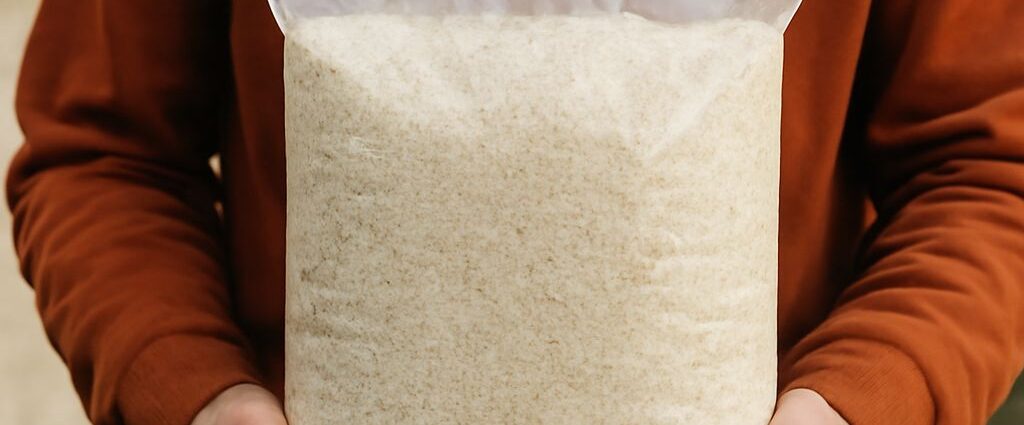
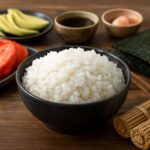
Sona Masoori rice cooks into tender, mildly soft grains with a light, everyday texture. For a reliable stovetop batch, use 1 cup rinsed, unsoaked rice with 2 cups water. Simmer it gently for 15–18 minutes, rest it covered for 10 minutes, and expect about 3 cups of cooked rice.
This 1:2 rice-to-water ratio gives balanced grains that are moist without becoming porridge-like. Use slightly less water for firmer, more separate rice or slightly more for softer rice served with dal, sambar, or curd.
How to Cook Sona Masoori Rice on the Stovetop
This method is for white, unsoaked rice. A heavy-bottomed saucepan with a well-fitting lid helps the rice cook evenly.
- Measure: Use 1 cup Sona Masoori rice, 2 cups water, and ¼ teaspoon salt if desired. One cup uncooked rice produces approximately 3 cups cooked.
- Rinse: Place the rice in a fine-mesh strainer or saucepan. Rinse it under cold water three or four times, gently swirling, until the water is mostly clear. Drain well for a minute.
- Combine: Add the drained rice, water, and salt to the saucepan. Let the rice sit for 5 minutes if convenient; this helps the grains hydrate evenly.
- Bring to a boil: Heat uncovered over medium-high heat until the water reaches a gentle boil. Stir once to prevent grains from settling.
- Simmer: Cover tightly and reduce the heat to the lowest setting that maintains a quiet simmer. Cook for 15–18 minutes. Do not stir or repeatedly lift the lid.
- Rest: Turn off the heat and leave the saucepan covered for 10 minutes. The trapped steam finishes the center of each grain and prevents wet, uneven rice.
- Fluff: Loosen the rice gently with a fork or wide spoon. Serve immediately, or spread it on a tray if you plan to cool it for fried rice.
The finished rice is ready when each grain is tender through the center and separates easily when fluffed. A crunchy center means it needs more steam: add 2 tablespoons water, cover, and cook over low heat for 3–5 minutes before resting again. If the rice is wet, leave it covered for another 5 minutes off the heat; excess moisture should absorb into the grains.
What Is Sona Masoori Rice?
Sona Masoori is a medium-grain rice variety widely used in Indian cooking. In grocery labels, sona masoori may refer to polished white rice, though parboiled versions are also sold. Its grains are shorter and plumper than basmati, with a mild aroma and a clean, neutral flavor.
Unlike very sticky short-grain rice, it can become fluffy when rinsed and cooked with measured water. It is also naturally suited to dishes where rice should absorb sauces without overwhelming their flavor.
Texture, Softness, and Everyday Uses
Properly cooked Sona Masoori has a moist, tender bite and moderate separation. It is less dry and dramatic than basmati, but it should not be gummy. Rinsing removes loose surface starch, helping the 1:2 ratio produce distinct grains. Drain the rice well after rinsing so unmeasured water does not soften it further.
For firmer rice with more separation, use 1¾ cups water per cup of thoroughly rinsed rice and begin checking near 15 minutes. For softer rice, use 2¼ cups water and cook toward the upper end of the simmer range. These adjustments work well for preferences and dishes such as curd rice or soft rice bowls.
Use it with dal, sambar, rasam, vegetable curries, and stir-fries. Its moderate softness also makes it useful for lemon rice, tomato rice, and other seasoned rice dishes. For fried rice, cook it slightly firm, cool it completely, and refrigerate it before stir-frying.
Sona Masoori vs. Basmati
Choose Sona Masoori for a mild-flavored, medium-grain rice that stays tender and pairs comfortably with saucy everyday meals. Choose basmati when you want long, slender grains, pronounced aroma, and a drier, more distinctly separated texture.
- Grain: Sona Masoori is medium-grain and plumper; basmati is long-grain and slender.
- Aroma: Sona Masoori is mild and neutral; basmati has a stronger floral, nutty fragrance.
- Texture: Sona Masoori is moist and tender; basmati is lighter, drier, and more elongated when cooked.
- Best uses: Sona Masoori suits dal, sambar, curd rice, and daily meals; basmati suits biryani, pilaf, and aromatic rice plates.
- Water: Do not automatically use the 1:2 ratio for basmati. Many stovetop methods use less water, so follow the package directions for that variety.








Comments are closed, but trackbacks and pingbacks are open.