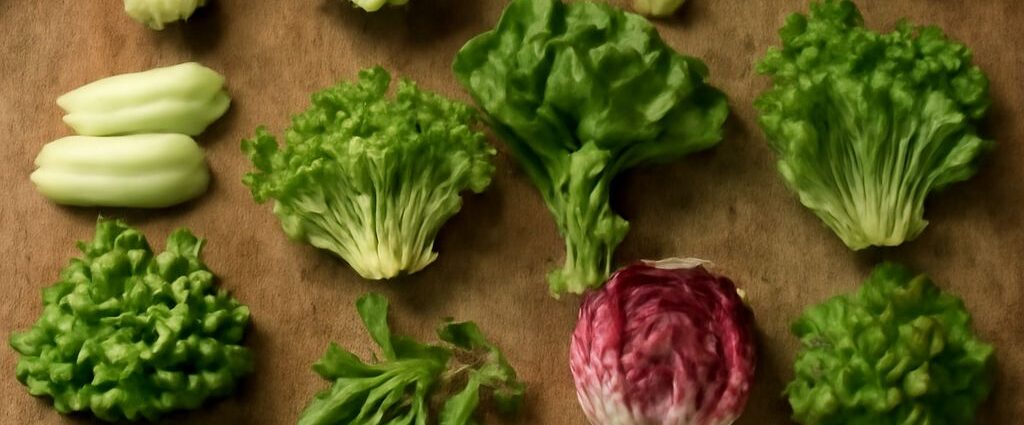
The best salad greens depend on the meal. Choose tender leaves for delicate dressings, peppery or bitter greens for contrast, and sturdy varieties for hearty toppings or make-ahead bowls.
This guide to the main types of salad greens compares flavor, texture, and durability. Use it to build salads that stay crisp and balanced instead of wilted or overwhelming.
Salad Greens for Mild and Tender Salads
Choose mild greens when you want toppings and dressing to lead. They have soft textures, gentle flavors, and limited durability once cut or dressed.
- Butter lettuce: Mild, slightly sweet, and exceptionally tender. Its flexible leaves suit simple salads with cucumber, avocado, fresh herbs, and a light lemon vinaigrette. Add dressing just before serving.
- Baby spinach: Soft and juicy, with a mild earthy flavor. It works with strawberries, goat cheese, toasted almonds, or sliced hard-boiled eggs. Pair it with balsamic vinaigrette, honey mustard, or a warm bacon dressing.
- Loose-leaf lettuce: Mild, crisp at the edges, and softer toward the center. Use it for everyday side salads with tomatoes, radishes, carrots, and ranch or red-wine vinaigrette.
- Spring mix: Usually combines tender lettuce with baby spinach and small amounts of peppery leaves. It offers varied flavor without becoming intense, but its delicate leaves wilt quickly under heavy dressing.
For a delicate salad, combine one tender base with a small amount of firm topping. Thinly sliced apple, shaved Parmesan, sunflower seeds, or roasted chickpeas add contrast without crushing the leaves.
Peppery and Bitter Greens for Contrast
Peppery and bitter greens make rich ingredients taste brighter. Use them with sweet fruit, creamy cheese, roasted vegetables, or dressings containing honey or maple syrup.
- Arugula: Peppery, aromatic, and tender, with a sharper finish than lettuce. It pairs well with pear, prosciutto, Parmesan, roasted beets, and lemony olive-oil dressing. Baby arugula is softer; mature leaves are more assertive.
- Radicchio: Firm, crunchy, and distinctly bitter. Its red leaves hold up better than tender lettuce and taste balanced with orange, apple, walnuts, blue cheese, and balsamic dressing.
- Endive: Crisp and pleasantly bitter, with compact leaves that work as both salad greens and scoopable vessels. Try endive with citrus, avocado, toasted hazelnuts, and a creamy mustard dressing.
- Mustard greens: Peppery and slightly pungent, with a firmer texture than spinach. Mix them with milder lettuce, or serve them with roasted squash, beans, sharp cheddar, and a sweet cider vinaigrette.
If a bitter green tastes too strong, combine it with butter lettuce or spinach. A sweet element, creamy cheese, or acidic dressing can also soften its sharper notes.
Sturdy Greens for Hearty Salads and Bowls
Sturdy greens are the best choice for substantial salads, warm toppings, and packed lunches. They resist wilting and can handle heavier dressings, grains, beans, and roasted vegetables.
- Romaine: Crisp, juicy, and mildly sweet, with a firm rib that stays crunchy. Use it for Caesar salad, taco salads, grilled chicken salads, or bowls with corn and black beans.
- Kale: Dense, chewy, and earthy, with excellent durability. Tuscan kale has narrower, tenderer leaves, while curly kale is more fibrous. Remove the stems, slice thinly, and massage with dressing for one to two minutes.
- Shredded cabbage: Crunchy, mildly sweet, and very durable. Green or red cabbage suits slaws, noodle bowls, sesame dressing, roasted peanuts, and grilled meats. It can be dressed hours ahead.
- Swiss chard: Firm, mineral-flavored, and slightly bitter. Slice the leaves thinly and pair them with lentils, roasted squash, feta, pumpkin seeds, and garlic-lemon dressing.
For make-ahead salads, layer sturdy greens beneath dry grains, beans, or vegetables, keeping dressing separate when possible. Romaine and cabbage stay crisp longest; kale can be dressed in advance because its texture softens without collapsing.
Best Greens for Salad Dressings and Toppings
Match the dressing’s weight and intensity to the greens. Light leaves need light coatings, while sturdy leaves benefit from bold, creamy, or oily dressings.
- Light vinaigrettes: Pair lemon, champagne, or rice-wine vinaigrette with butter lettuce, spinach, spring mix, and arugula. Add cucumber, herbs, berries, or delicate cheese.
- Creamy dressings: Ranch, Caesar, tahini, and blue cheese dressings suit romaine, kale, radicchio, and cabbage. Use croutons, roasted chickpeas, bacon, grilled chicken, or toasted seeds for texture.
- Sweet-acidic dressings: Maple, honey, or fruit-based vinaigrettes balance mustard greens, endive, radicchio, and chard. Add apples, pears, citrus, dried cranberries, or roasted beets.
- Warm toppings: Sturdy greens work best beneath roasted vegetables, seared mushrooms, grilled salmon, lentils, or warm grains. For tender greens, let hot ingredients cool slightly so they soften rather than wilt the entire salad.
When choosing the best greens for salad, start with the eating time. Use tender leaves for immediate serving, crisp romaine or radicchio for moderate holding, and kale or cabbage for salads prepared several hours ahead.










Comments are closed, but trackbacks and pingbacks are open.