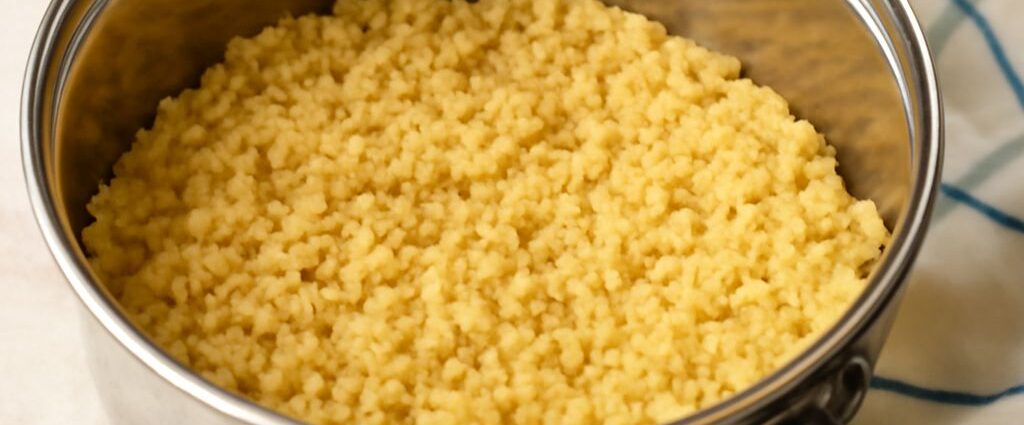
What does quinoa taste like? Cooked quinoa has a mild, earthy flavor with a light nuttiness. It is not strongly bitter when properly rinsed and cooked. The grains are fluffy but slightly chewy, with a tiny pop as you bite them.
Quinoa’s flavor is subtle enough for both savory and sweet dishes. Think of it as more flavorful than white rice, but gentler than brown rice or buckwheat. Its taste also changes with the variety, cooking liquid, and preparation method.
What Does Quinoa Taste Like?
Quinoa tastes like a mild combination of toasted grain, nuts, and fresh earth. Some people notice a faint grassy note, especially when quinoa is under-rinsed or simply boiled in water. Properly prepared quinoa should taste clean rather than harsh.
The flavor is usually more noticeable than that of couscous, yet it remains mild enough to absorb sauces, dressings, and spices. Cooked quinoa works well in grain bowls, salads, stuffed peppers, soups, and breakfast bowls because it supports stronger ingredients without overpowering them.
A bitter or soapy taste usually comes from saponins. These are natural compounds found on the outside of quinoa seeds. Most packaged quinoa is pre-rinsed, but washing it at home removes more of the coating and produces a cleaner flavor.
Texture After Cooking
Flavor and texture are separate parts of the quinoa experience. Properly cooked quinoa is fluffy, tender, and slightly chewy. Each seed opens during cooking, revealing a small white ring or tail around the grain.
That ring gives quinoa its characteristic pop. The grains should separate easily with a fork, but they should not feel dry or crunchy in the center. Compared with rice, quinoa has a more distinct bite. Compared with couscous, it is less soft and more springy.
Quinoa can become soft and porridge-like if it absorbs too much liquid or cooks for too long. This texture can work for breakfast porridge, but it is less suitable for salads. For a salad or grain bowl, spread the cooked quinoa on a plate or tray so steam can escape before dressing it.
White, Red, and Black Quinoa: What Quinoa Tastes Like
All quinoa varieties share the same basic earthy, nutty character, but their intensity and texture differ.
- White quinoa: The mildest and softest variety, with a delicate earthy flavor and gentle nuttiness. It fluffs easily and suits soups, breakfast bowls, veggie burgers, and recipes where you want quinoa to blend into the other ingredients.
- Red quinoa: Slightly earthier and more robust than white quinoa. Its grains stay firmer after cooking, giving salads and grain bowls a pleasantly chewy texture. Red quinoa also holds its shape well when mixed with roasted vegetables or beans.
- Black quinoa: Usually the most pronounced in flavor, with a deeper earthy taste and sometimes a faint sweetness. It remains relatively firm and adds visual contrast to citrus salads, tacos, roasted vegetable bowls, and hearty side dishes.
Tri-color quinoa combines these varieties, so it typically offers white quinoa’s softness alongside the firmer bite of red and black grains. The difference is noticeable, but preparation has an equally large effect on the final taste.
How Does Quinoa Taste? Preparation Effects
Rinse quinoa in a fine-mesh strainer under cold running water for about 30 seconds, rubbing the grains gently with your fingers. Drain it well. This removes surface saponins, which can create bitterness, and leaves the cooked quinoa tasting milder and cleaner.
Toasting adds another layer of flavor. Place the drained quinoa in a dry saucepan over medium heat for two to four minutes, stirring often. When the grains smell lightly nutty, add the cooking liquid. Toasted quinoa tastes warmer and more developed, with less of the raw, grassy quality some people notice.
Water gives quinoa its most neutral flavor. Vegetable or chicken broth makes it more savory, while coconut milk adds richness and a subtle sweetness. You can also add garlic, herbs, spices, or a strip of citrus peel to the cooking liquid without changing the grain’s basic texture.
Overcooking affects both taste and texture. The grains absorb excess water, lose their springy bite, and can taste diluted or starchy. Undercooked quinoa remains hard in the center and may taste grassy. Cook it until the grains are tender and their small rings have unfurled, then let them stand briefly and fluff with a fork.







Comments are closed, but trackbacks and pingbacks are open.