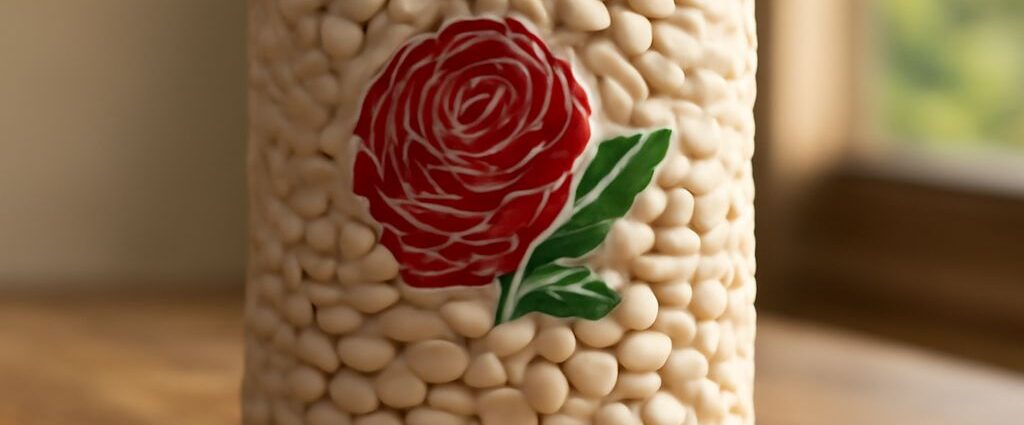
White northern beans usually refers to Great Northern beans, a medium-sized white bean with a mild flavor, thin skin, and creamy center. Great Northern white beans sit between smaller navy beans and larger cannellini beans in both size and cooking performance.
They work especially well in soups, casseroles, braises, salads, and bean dips. Choose dried beans for a richer cooking liquid and canned beans for speed.
What Are White Northern Beans?
Great Northern beans are oval, ivory-white legumes related to navy beans and cannellini beans. Their name describes a specific bean variety, rather than every white bean sold in a grocery store.
Compared with navy beans, Great Northern beans are larger and slightly flatter. Compared with cannellini beans, they are smaller and less kidney-shaped. Their thin skin softens during cooking without usually turning the bean completely mushy.
The flavor is neutral enough for strongly seasoned recipes but satisfying in simple dishes. They absorb garlic, herbs, stock, tomato, and smoked flavors while adding body and protein.
Great Northern White Beans: Flavor, Size, and Texture
A cooked Great Northern bean is mild, creamy, and moderately firm. The center becomes smooth when fully tender, while the outer skin helps the bean hold its shape in a simmering soup or casserole.
- Size: Medium, larger than navy beans and smaller than cannellini beans.
- Shape: Oval and somewhat flattened, with a pale white or ivory color.
- Texture: Creamy inside but sturdy enough for long-cooked dishes.
- Flavor: Mild and lightly nutty, without the stronger character of some colored beans.
That middle-ground texture makes them versatile. They can thicken a soup when stirred or mashed, yet they remain recognizable in bean salads and casseroles.
Dried vs. Canned Beans: Best Uses and Substitutes
Dried Great Northern beans offer the best control over texture and seasoning. Sort through them, rinse away dust, and soak them overnight for about eight to 12 hours. Drain, cover with fresh water, and simmer gently until tender, usually 45 to 90 minutes after soaking. Older beans can take longer.
One cup of dried beans produces roughly 2½ to 3 cups cooked. Use dried beans for white bean soup, cassoulet-style braises, baked bean dishes, and recipes where the cooking liquid becomes part of the sauce.
Canned Great Northern beans are already cooked and usually provide about 1½ cups drained beans per 15-ounce can. Drain and rinse them to remove excess packing liquid and salt. Add them near the end of cooking so they warm through without breaking apart.
Canned beans suit quick pasta dishes, weeknight casseroles, salads, dips, and skillet meals. Mash them with olive oil, lemon, garlic, and herbs for a fast spread, or stir them into tomato sauce for extra creaminess.
How a Northern Bean Compares
When a recipe calls for a northern bean, Great Northern beans are generally the intended choice. These comparisons make substitutions easier:
- Navy beans: The smallest of the three, navy beans are round, soft, and quick to break down. They are ideal for baked beans, classic bean soups, and dishes that benefit from a thicker, creamier broth.
- Great Northern beans: Medium-sized and oval, they balance creaminess with shape retention. Use them in chicken and bean soup, white chili, casseroles, braised greens, and warm grain salads.
- Cannellini beans: The largest, cannellini beans have a kidney-like shape and a meatier texture. They hold their shape well in minestrone, pasta e fagioli, salads, and rustic bean spreads.
Substitute navy beans for Great Northern beans when a softer texture is acceptable, using them in equal volume. Choose cannellini beans for a larger, firmer bite, especially in salads or long-simmered dishes. The flavor change is small, but the final size and texture will be noticeable.









Comments are closed, but trackbacks and pingbacks are open.